To spot maths learning gaps, look past the marks to whether your child understands core skills like place value and calculation, and can still apply them weeks later. One wrong answer proves little. A difficulty that keeps returning deserves a closer look.
Homework handed in every Thursday. Ticks down the mental maths sheet. A solid B on the report. Then, at Castle Hill Towers, you ask your Year 4 child for the change from $20 after a $13.50 lunch, and the pause goes on too long.
So is something missing? Possibly, just not where the marks look. Homework asks questions the way the lesson did. Maths learning gaps show when a question changes shape, lands in real life or needs a skill from two years back.
What Are Maths Learning Gaps and Why Do They Matter?
A learning gap is a skill taught and moved past before it was secure. Finding it early shows where support helps.
How Foundational Maths Skills Affect Future Learning
Maths is built in layers. A child unsure what the 4 in 347 is worth can manage two-digit sums, then stall at long multiplication and division, where every step leans on place value. On top of that, weak number sense shows in problem-solving skills when a child can’t tell an answer is wildly off.
These gaps can become more noticeable as children move into harder topics, which is why closing maths learning gaps early matters.
Still, none of it stops a child moving up a year, and another worksheet won’t necessarily find the gap.
Why Children in the Same Year Level Can Have Different Maths Abilities
In a 2023 paper, RMIT University’s Angela Rogers assessed 606 Year 3 to 6 students at two Melbourne schools and found a wide range of place value understanding within each year level, in a skill central to number sense and computation.
A child can read 305 and 350 correctly. Ask how many tens are in 350, though, and plenty say “five”. They see the digit, not its value. The year level sets the expectation, and only checking shows what’s understood.
How Can You Identify Maths Learning Gaps in Your Child?
No test paper needed. You’re watching for the same difficulty turning up more than once, not one bad afternoon.
Look Beyond Test Scores and Homework Results
One low mark says little. A 2024 Centre for Independent Studies paper on maths screening recommends brief checks, under ten minutes, three times a year, so difficulties surface before big gaps open. A home quiz isn’t a school screener, but the logic carries over.
In short, several small checks on one skill beat a single score. The tell is a child who aces homework because every question looks alike, then stalls on a reworded one, last term’s topic or a sum at the shops.
If you’re unsure whether these difficulties point to a bigger problem, recognising the signs your child needs additional learning support can help you decide what to look at next.
Check Whether Your Child Understands the Concepts Behind the Answers
Ask how your child got an answer, then have them show it with counters, a drawing or a number sentence.
The Australian Education Research Organisation’s early childhood maths trajectory describes skills building on one another, with children showing quantities through objects and drawings before numerals. It’s a preschool guide, but the idea travels. Plenty of Year 3 children know 8 + 5 = 13 instantly but, when asked to draw it, count every dot from one. Try 18 + 5 next. If that’s suddenly hard, the fact may have been memorised without the relationship behind it.
For Year 4 children, multiplication and division skills are useful areas to check next, particularly when children can recall number facts but struggle to apply them in unfamiliar questions.
What Should You Do When You Find a Maths Learning Gap?
Once a pattern is clear, narrow it down so support aims at one skill instead of piling more on.
Identify the Specific Skills Your Child Needs to Strengthen
Start by naming the area: number sense, place value, calculation or problem-solving. Trouble with division doesn’t make a child weak at maths overall.
NESA describes formative assessment as the ongoing use of what students know to target teaching and plan next steps, with teacher questioning among its examples. At home, ask your child to talk through one wrong answer. A child who writes 23 − 7 = 24 may have taken the smaller digit from the bigger one, a rule that’s worked so far. Then share that pattern with the class teacher, and firm up the lower layer first.
Once you’ve identified a skill that needs work, keep practice short and focused. A consistent home study routine can make it easier to revisit that skill without turning every evening into another maths lesson.
When Should Parents Consider Additional Maths Support?
Extra help is worth considering when a difficulty lasts a term despite class and home practice, when earlier skills need prompting, or when maths homework keeps ending in tears. Sooner or later, an old gap starts denting confidence with each new topic.
For children who need help beyond home practice, maths tutoring offers a structured way to strengthen foundational skills alongside current school topics.
Structured explanation and guided practice help, and knowing what a first tutoring session involves takes out some guesswork.
How Can the Right Maths Support Help Close Learning Gaps?
Good support starts from what a child hasn’t mastered yet, not from more hours at the table.
Why Targeted Instruction Matters More Than Repeating Worksheets
Worksheets can reinforce whatever a child already does, mistakes included. Instead, targeted teaching goes after the missing concept, explains it another way if needed, with blocks or a number line, then lets the child practise alone. A good maths tutoring program circles back weeks later to check it held.
How Small-Group Maths Tutoring Can Support Foundational Learning
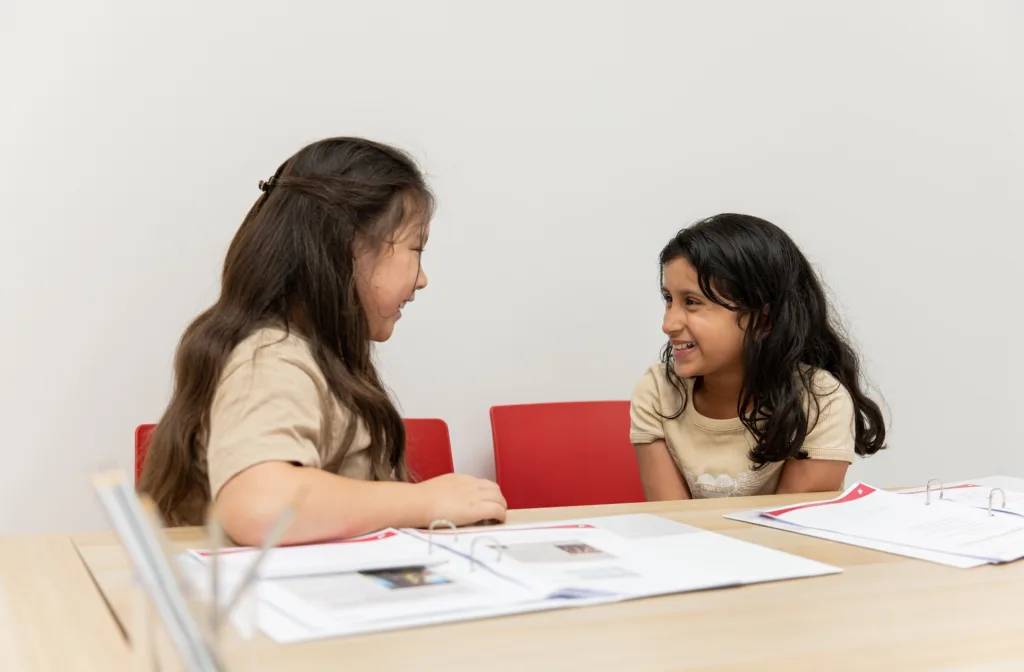
A small group gives a child room to ask what they’d never raise in a full class, and to hear others reason aloud. In fact, that talk often shows where a gap sits.
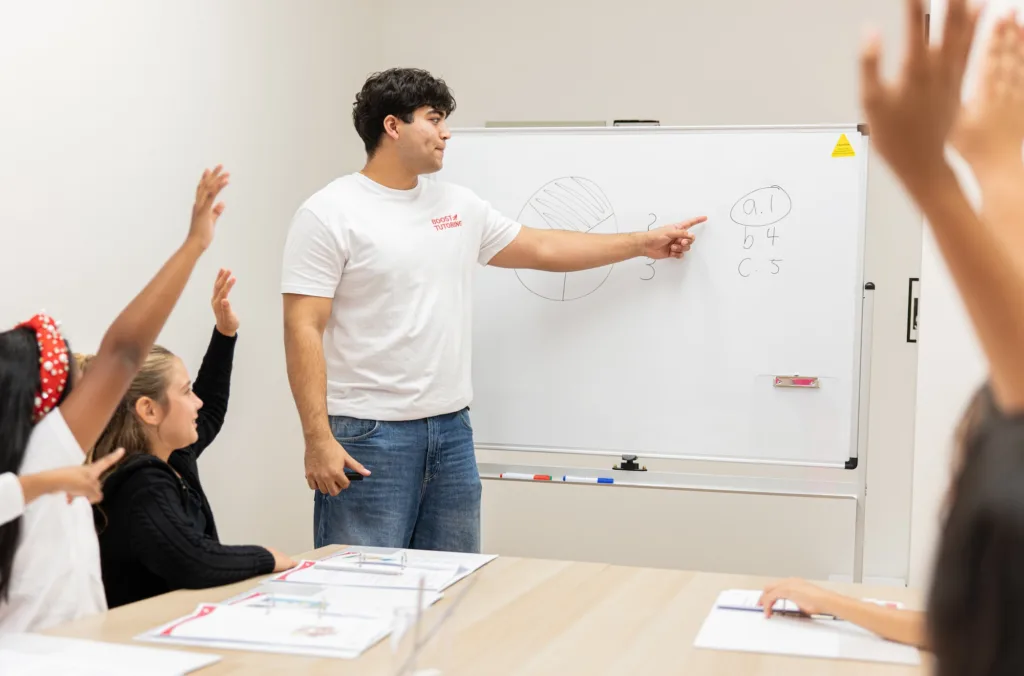
This is the thinking behind every small-group primary maths session at Boost Tutoring Castle Hill and Beaumont Hills. Each opens with five minutes of Prime Skills work, such as times tables and mental maths, before real teaching through current curriculum content and time to practise it before students leave. Not because the warm-up fills time, but because short, regular practice is how a shaky foundation steadies.
Parents can also explore our tutoring centres to find a convenient location and learn more about the learning environment.
Frequently Asked Questions About Maths Learning Gaps
Quick answers to what parents ask most.
What Are the Common Signs of Maths Learning Gaps?
Listen for the same mistake returning week after week. Others are finger-counting quick facts, freezing when a question is reworded, and last term’s skills quietly fading.
Can a Child Have Maths Learning Gaps Even With Good Grades?
Yes, often. Good grades can reflect familiar questions done straight after the lesson, while a gap appears once wording shifts or older skills are needed.
How Can I Check My Child’s Maths Skills at Home?
Ask your child to explain an answer, show it with objects or a drawing, then try a slight variation. Repeated hesitation there can reveal difficulties that a perfect worksheet might miss.
At What Age Should Maths Learning Gaps Be Addressed?
There’s no single cut-off age. A gap is simplest to work on once you notice the pattern, before the next topic that depends on it arrives.
Can Maths Tutoring Help Children Catch Up With Their Peers?
It can, when it targets the skills a child hasn’t secured. Progress varies, so watch for quicker recall and clearer explanations rather than a set timeline.
Help Your Child Build Stronger Maths Foundations With the Right Support
Noticing is the first step, and you needn’t pin down every weakness alone. At Boost Tutoring Australia, we help Hills District students strengthen their maths foundations through targeted, small-group tutoring.
If the marks look fine but the reasoning feels shaky, a free academic assessment can help identify what’s secure, which maths skills need strengthening and whether additional tutoring would help.
Book a free academic assessment and help your child build stronger maths foundations.