Plenty of students put in the hours at home and get surprisingly little back. They sit at their desk for an hour, re-read their notes, highlight a few lines, maybe copy something out, and come away feeling they’ve studied, when in truth almost none of it has stuck. It’s one of the quiet frustrations of school: effort that doesn’t translate into results, not because the student isn’t trying, but because they’re studying in a way that doesn’t work.
The difference between studying and studying effectively is enormous, and it’s entirely learnable. Here’s a guide to home study for students that actually produces results, the methods that work, the ones that don’t, and how to set up for it.
Most Home Study Is Passive, and Passive Doesn’t Work
Here’s the uncomfortable truth about how most students study: it’s passive, and passive study barely works.
Re-reading notes, highlighting, copying things out, these are what most students do, because they feel like studying and they’re comfortable. But they’re passive: the information flows past the student without them having to do anything effortful with it. And because it feels familiar the second and third time through, it creates an illusion of learning. The student recognises the material and mistakes recognition for knowing it, right up until the test, when they have to produce it from memory and can’t.
This is why a student can “study for hours” and still do poorly. The hours were real; the studying wasn’t effective. Recognising that passive study is the problem is the first step to studying better.
What Actually Works: Active Study
Effective study is active, which means making your brain do the effortful work of retrieving and using the information, not just looking at it.
Test yourself, don’t re-read. The single most powerful study method is retrieval: closing the book and trying to recall the material, or answering questions on it, rather than reading it again. Retrieving something from memory strengthens it far more than re-reading does, even though it feels harder, which is precisely why it works.
Practise, don’t just review. In maths especially, doing problems beats reading worked examples. The doing is the learning. A student who works problems is studying; one who reads solutions is mostly watching.
Space it out. Studying a bit across several days beats one long cram, because the small gaps, and the slight forgetting in between, are what build durable memory. A student who revises a topic three times over a fortnight knows it far better than one who studied it once for three hours.
Explain it. Getting a student to explain a concept in their own words, out loud or on paper, quickly reveals whether they actually understand it. If they can’t explain it, they don’t know it yet, which is useful to discover before the test rather than during it.
The common thread is effort. Effective study feels harder than passive study, because the effort is the point.
Getting the Environment Right
Even good methods need the right conditions, and the environment is where a lot of home study quietly falls apart.
A consistent, boring study space helps. The same spot, free of distractions, that the brain comes to associate with working. Studying in front of the television or on a bed rarely produces focused work.
The phone needs to be elsewhere. Not on silent, not face-down, but in another room. Its mere presence fragments attention, so an hour of study with a phone nearby is really twenty real minutes spread thin.
And short, focused blocks beat long, drifting ones. Concentration fades, so a student who studies in focused stretches with short breaks gets more done than one grinding through an unbroken marathon. Quality of attention matters more than quantity of time.
How We Build Good Home Study Habits at Boost
Part of what we do at Boost is build exactly the habits and methods that make home study work.
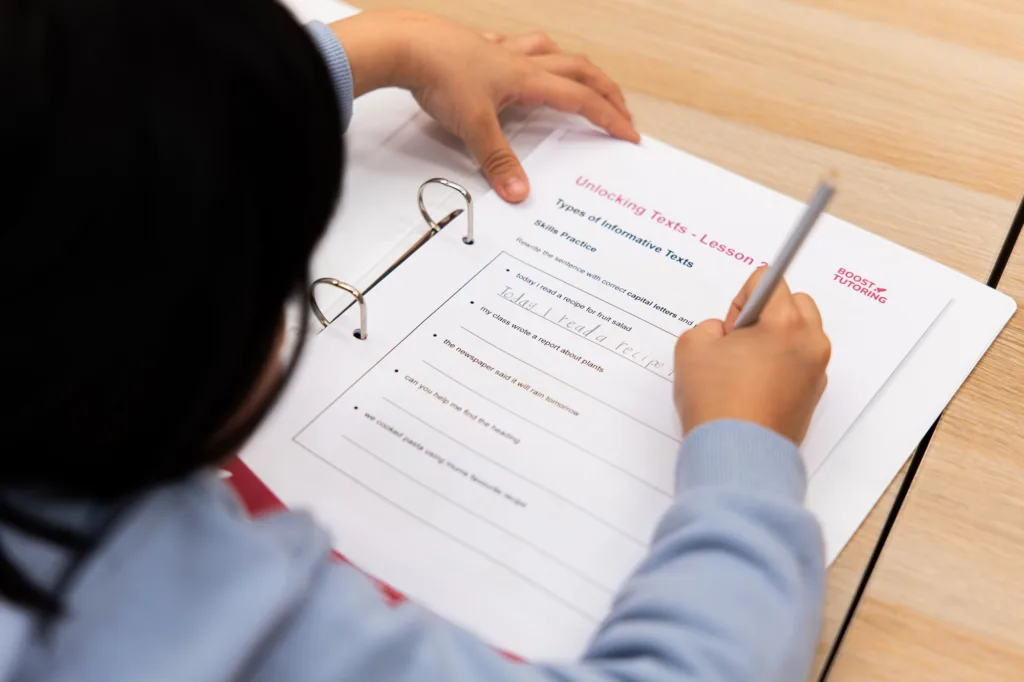
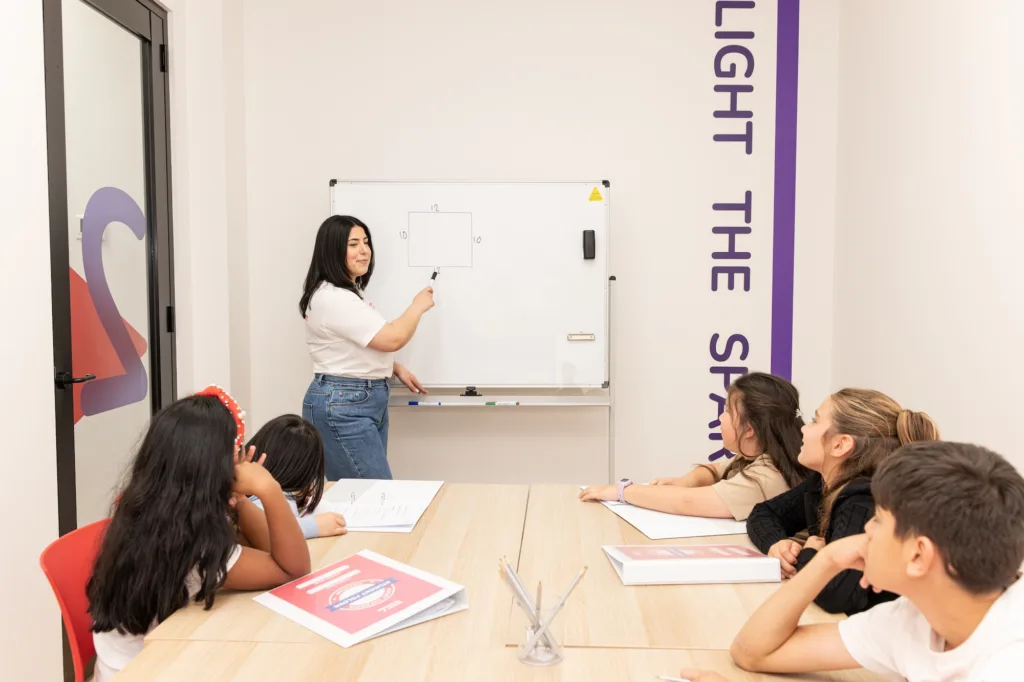
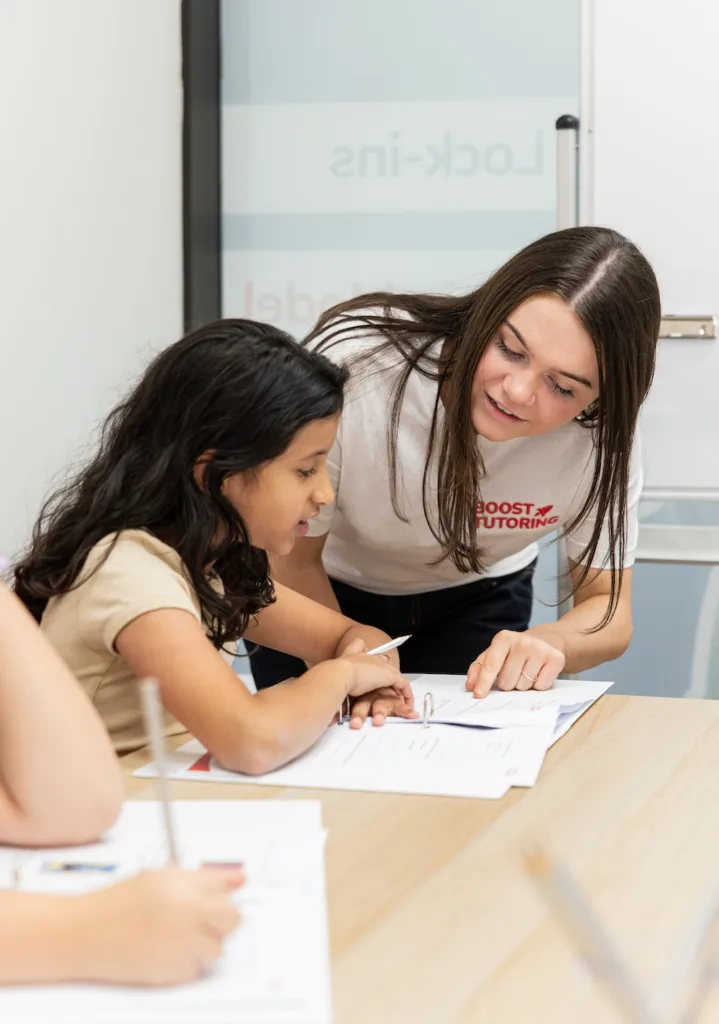
The daily practice through Boost Accelerator is active by design, a short worksheet to be done, not notes to be re-read, which builds the habit of effortful, regular study rather than passive review. And in sessions, we model and teach the methods that work, retrieving rather than re-reading, practising rather than watching, understanding rather than memorising, so students carry them into their own study at home. Sessions run in small groups of six to eight with the same tutor each week, aligned to the NSW syllabus, built around Prime, Train, Retain, which is itself a model of active learning: skills work, teaching, then the student doing it themselves.
The aim is a student who doesn’t just put in hours at home, but studies in a way that makes those hours actually count.
Home study only works when it’s active. Testing yourself, practising, spacing it out and explaining things beat re-reading and highlighting every time, however much harder they feel. Set up a proper space, put the phone in another room, work in focused blocks, and the hours your child spends studying finally start producing results. The daily habit is where effective study is built.
See how Boost Accelerator builds the active daily study habit that actually works