OC preparation has a lot of moving parts. There’s the foundation work, the test itself to understand, the application dates not to miss, the test-specific practice, and the small matter of not burning out a nine-year-old in the process. It’s easy for something to slip.
So here’s a straightforward checklist for OC test prep in Beaumont Hills, covering what to have in place and when, so nothing gets missed and you’re not doing too much of the wrong thing. Work through it in order. The early items matter most.
The OC Foundations to Have in Place
These are the real preparation, built year-round through ordinary good learning, and they do most of the work. Tick these off first, because test-specific practice sits on top of them.
Reading, widely and often. A child who reads daily is building the comprehension the Reading section needs, and the vocabulary and background knowledge everything else draws on.
Quick, automatic mental maths. The Mathematical Reasoning section rewards fluency, so number facts and times tables should be fast and confident, not laboured.
Comfort with reasoning and problem-solving. Puzzles, logic games, and problems that make a child think build exactly the skill the Thinking Skills section tests, the one schools don’t teach.
A child who’s used to thinking things through, not just getting answers. Understanding over memorising is what the whole test rewards.
If these are solid, your child is most of the way there. If they’re not, this is where the work should go, long before any practice papers.
The Admin and Timing to Get Right
The practical stuff, easy to overlook and costly to miss.
Know the test and what it covers. The OC test is sat in Year 4, for entry into an opportunity class in Year 5. It’s computer-based and has three sections, Reading, Mathematical Reasoning and Thinking Skills, with no writing component. Results come back as bands, and it’s competitive.
Don’t miss the application window. Applications typically open around November and close in February, with no late entries. Diarise it, because missing the date ends the attempt before it starts.
Start foundations early, test-specific work later. The foundations run through Year 3 and into Year 4. The targeted, test-specific preparation sensibly begins only a few months out, not years.
Confirm the exact dates for your child’s year, because they shift from year to year. Check them against the official source rather than relying on what worked for someone else last year.
The Final Stretch, and Keeping It Healthy
In the months before the test, and throughout, a few things to tick off.
Build familiarity with the format. A handful of goes at the question types and the computer-based format, so nothing’s a surprise on the day. A few, not a stack.
Do some timed practice. Enough that the pacing feels familiar, without turning prep into a daily grind.
Watch for over-doing it. The signs are a tired, anxious child who’s starting to dread the work. If you see them, scale back, because a nine-year-old who’s been drilled to exhaustion performs worse, not better.
Keep it in perspective, together. Make sure your child knows the work is worth doing for its own sake, and that a place is a bonus rather than a verdict on them. Protecting their confidence matters more than any single result.
Sit with the honest question: is OC the right goal for this child? OC classes suit children who thrive on challenge. For the right child they’re wonderful; for a child pushed in mainly to meet a parent’s hopes, less so.
How We Help You Tick the Boxes at Boost
We run Boost OC for Years 3 and 4, and a lot of this checklist is simply built into how it works.
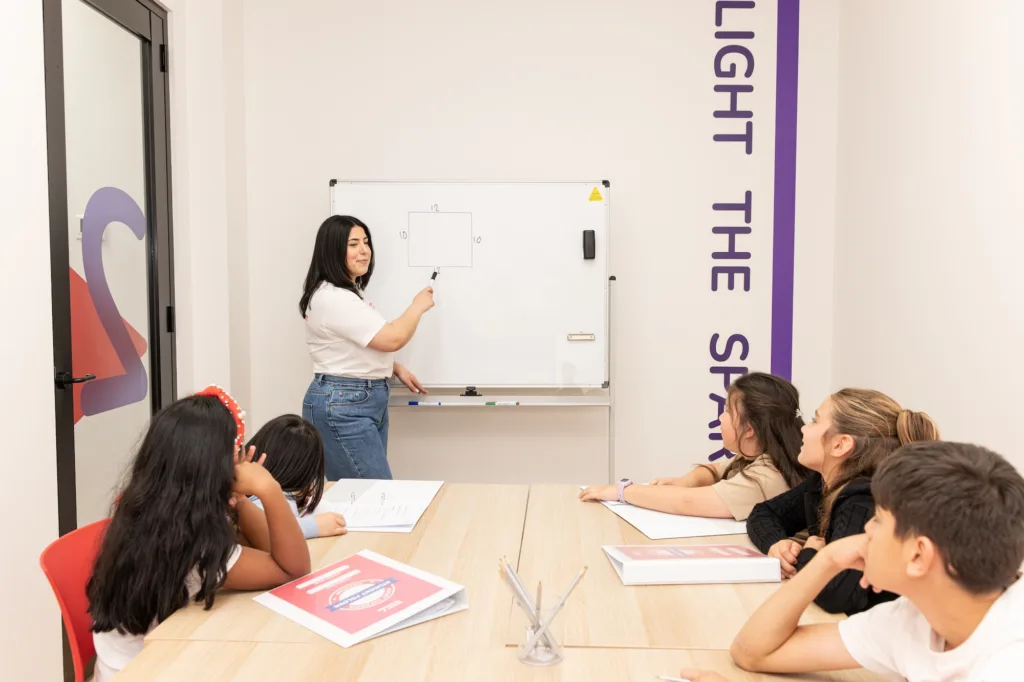
The foundations run year-round through our teaching, the reading, reasoning and mental maths the test rewards, developed steadily rather than crammed. Closer to the test, we add the targeted familiarity with the format and the three sections. Sessions run in small groups of six to eight with the same tutor, aligned to the NSW syllabus, built around Prime, Train, Retain, with short daily practice at home, the little-and-often rhythm a young child needs. And we keep it calm throughout, because a burnt-out nine-year-old is exactly the thing to avoid.
The one box to tick first, though, is knowing where your child actually stands, which tells you both whether OC is a realistic goal and where the foundation work needs to begin.
OC prep has a lot of parts, but worked through in order, foundations first, admin not missed, test-specific work layered on later, and the child kept calm throughout, it’s entirely manageable. The first box to tick is an honest read on where your child sits and whether OC is a realistic goal.
Book a free academic assessment and tick the first, most important box