
A pile of spelling corrections on the fridge door and a reading log signed under protest are familiar scenes in plenty of Hills District homes. English tutoring Castle Hill support exists for this moment, when your child’s reading, writing or comprehension gaps start showing up across more than one subject. The right tutor works out which skill needs attention and builds a plan around it.
- Literacy gaps often stay hidden until they spread into other subjects.
- Left alone, a stalled reading habit rarely corrects itself.
- There is a real difference between a tailored plan and generic homework help.
- A pattern across several weeks matters more than a single test.
- Building confidence alongside skills makes the difference stick.
What Are the Signs Your Child May Need Extra English Support?
There’s no single age for reading fluency. Some children read smoothly by Year 2, others not until Year 4, and that’s typical. Below is what starts to matter for your child once several signs show up at once.
Signs Related to Reading and Language Skills
- Reading aloud comes out slow and choppy, even on familiar words.
- When an unfamiliar word appears, guessing quickly replaces sounding it out.
- A child’s everyday vocabulary can lag noticeably behind classmates.
- Fluent, accurate reading does not always mean the meaning behind the words has landed.
- Given any choice at all, reading gets left for last.
Signs Showing Up in Schoolwork and Confidence
- Spelling and grammar errors persist even after correction.
- Getting ideas onto the page in a clear order takes noticeably longer than it should.
- During parent-teacher interviews, a teacher may raise literacy as a specific concern.
- Falling grades spread beyond English into maths or science as the term goes on.
- Once an English task lands on the table, confidence drops noticeably.
A teacher flagging literacy at an interview carries real weight. Identifying a student’s changing needs sits inside a teacher’s normal role under the Australian Professional Standards for Teachers. So a comment raised at an interview usually points to something concrete.
Why Can Early Literacy Support Make Such a Difference?
Reading and writing rarely stay contained to English class alone. They shape how your child manages science reports, maths problems and class discussion.
How English Skills Affect Success Across the Curriculum
Grammar and punctuation are consistently the toughest literacy domain nationally: just 54.1 per cent of Year 3 students reach the Strong band or above, behind reading and spelling, according to ACARA’s NAPLAN commentary.
A gap in that one domain rarely stays contained to English.
Why Waiting Can Make Learning More Difficult
A child who struggles quietly with reading tends to avoid it. Avoiding it means less practice. Less practice widens the very gap a parent hoped would close on its own. This pattern rarely needs a crisis to become obvious, just a term or two of it showing up again.
How Can an English Tutor Help Your Child Build Stronger Literacy Skills?
Good tutoring is built around a student’s real skill gap rather than existing homework.
Personalised Support That Targets Learning Gaps
One shared trait separated the interventions that worked, according to a 2025 Journal of Communication Disorders review.
Word recognition, self-regulation, or one specific skill anchored each intervention rather than broad reading practice. Personalised English tutoring follows the same logic. It finds where decoding, vocabulary or comprehension breaks down, then builds sessions around that gap.
Building Skills, Confidence and Independent Learning Habits
Report cards usually lag behind the smaller, checkable signs that progress is happening.
A child picking up a book unprompted, or stumbling less while reading aloud, is worth noticing early. Homework arguments easing off is often the first sign a family notices, well before spelling lists improve.
Choosing English Tutoring in Castle Hill That Matches Your Child’s Needs
The right fit for a family matters far more than convenience or a well-known name alone.
What Parents Should Look for in an English Tutor
Group size, tutor consistency and how closely lessons follow the NSW syllabus are questions worth raising directly. One-off sessions with a rotating tutor rarely build the same momentum.
A parent’s guide to English tutoring in Castle Hill covers the questions worth raising, and the best way to find a tutor in Castle Hill walks through how to compare local options.
Why Local Families Choose English Tutoring in Castle Hill
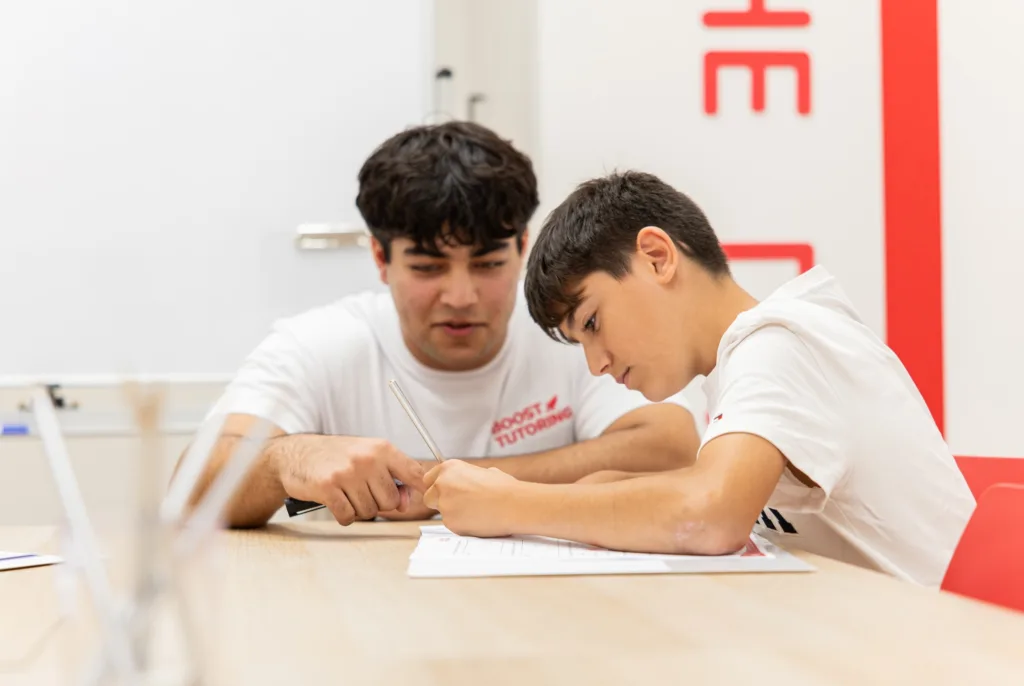
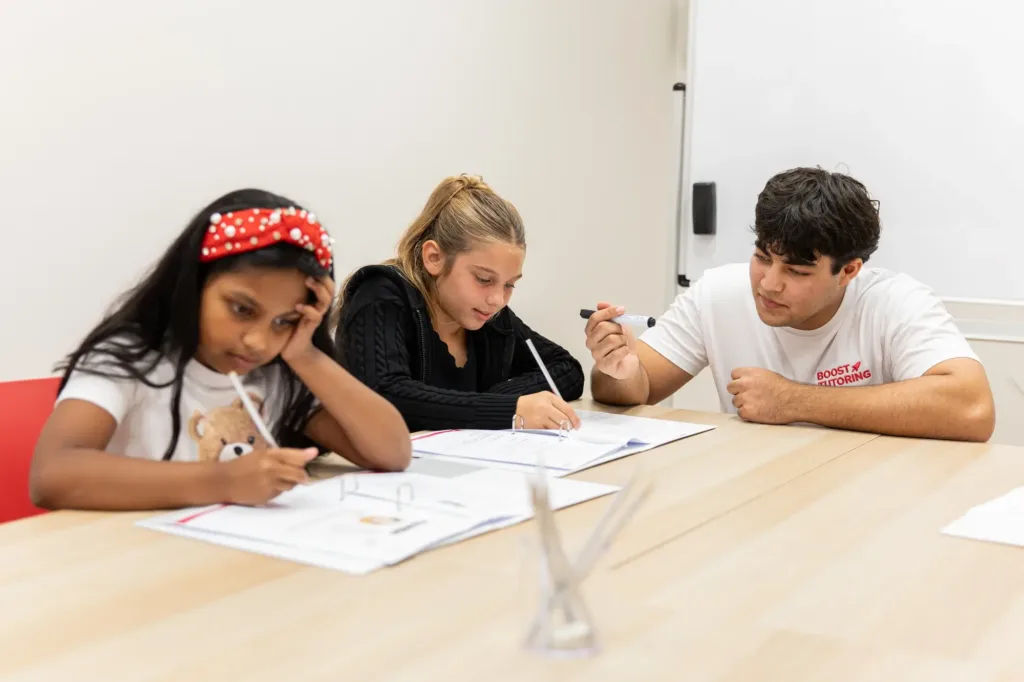
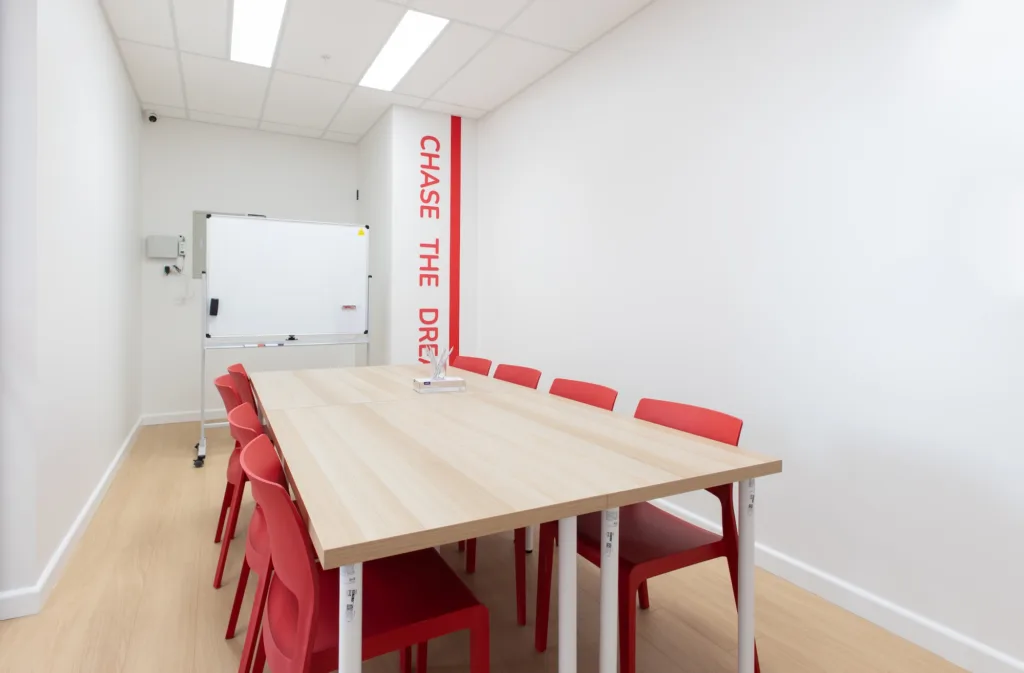
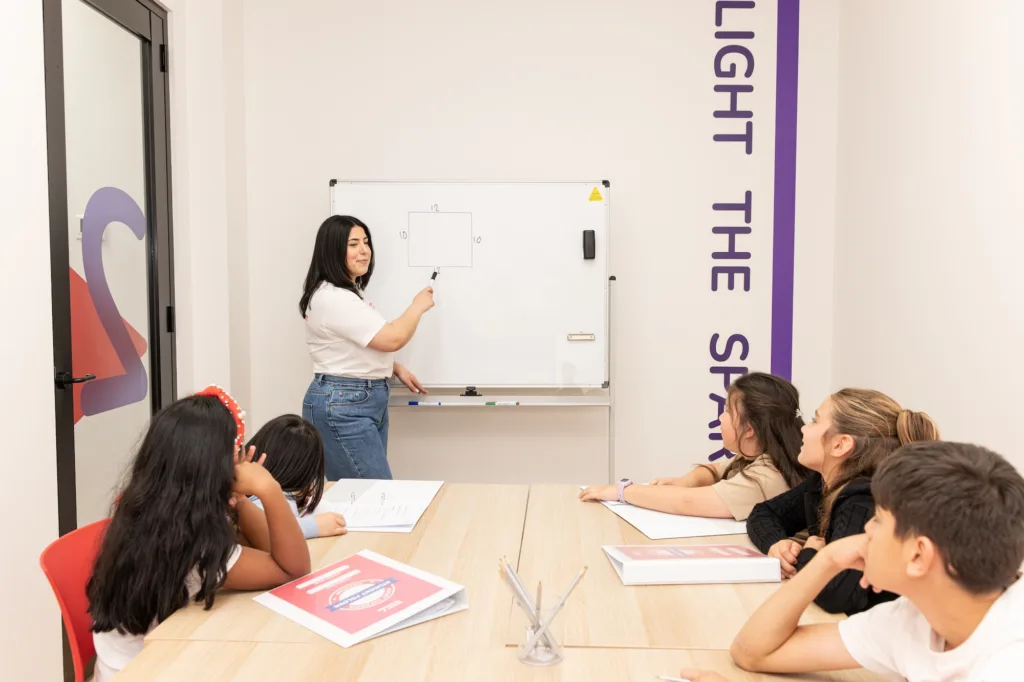
Small groups of six to eight students meet at Boost Tutoring Australia’s Castle Hill centre. Classes cover Kindergarten through Year 10 English and maths.
Sessions run on the NSW syllabus and pair each student with the same tutor week to week, rather than whoever happens to be free.
Frequently Asked Questions About English Tutoring in Castle Hill
How do I know if my child really needs an English tutor?
Usually, yes, if the same struggles keep turning up week after week. A student avoiding reading, or slipping in more than one subject, is a pattern worth acting on.
What age should children start English tutoring?
There’s no single starting age. Plenty of families start in Year 2 or 3 while reading habits form. Others begin in Year 7, once high school texts expose gaps primary school missed.
How often should my child attend English tutoring sessions?
Weekly sessions are the standard rhythm, usually plenty alongside the daily home worksheet. Turning up consistently across school terms counts for more than extra hours some weeks.
Is English tutoring worth it if my child is only slightly behind?
Yes, usually more so than letting a smaller gap grow larger first. Small, targeted sessions early usually close a slight gap faster than starting once your child has fallen further behind and lost confidence along the way.
How long does it usually take to see improvement?
No set number of weeks guarantees results, and any promise that suggests otherwise deserves a raised eyebrow. What matters is tracking real signs. Reading sounds easier aloud, new vocabulary turns up unprompted, and homework reaches the table.
Help Your Child Build Stronger English Skills with Boost Tutoring Australia
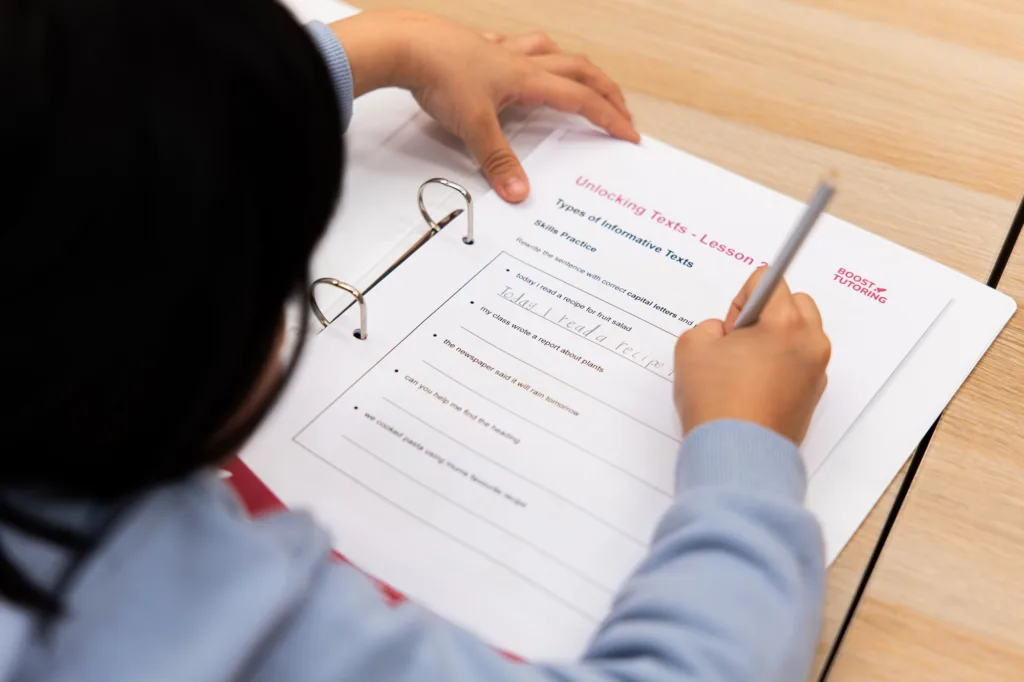
Every week follows the same rhythm. We begin by mapping where reading and writing currently sit, shape a plan around the gap, then coach and revisit the skill until it sticks.
Each group holds six to eight students. The same tutor stays with them weekly, alongside a worksheet that carries the lesson home daily. Struggling with English at nine does not decide how your child reads and writes at fifteen.
A free assessment with Boost Tutoring Australia’s Castle Hill team is the easiest way for you to find out where to start. In one session, we map the specific gaps behind these ten signs and set out what English tutoring Castle Hill support would look like for your child. Book a free assessment with no obligation to continue.