
You pick your child up from tutoring, ask how it went, and get one word back: fine. Term after term, the invoice arrives, the drop-offs continue, and the report card looks about the same as it did before you started. You’re not against tutoring. You just can’t say, hand on heart, whether any of it is actually going in, and you’re starting to wonder if tutoring isn’t working the way you assumed it would.
That’s a harder position to be in than it sounds. When tutoring is going well, you don’t need convincing, you can see it. When it isn’t, there’s rarely one obvious moment where it falls apart. It just quietly stops paying off, and because the sessions still happen every week, it’s easy to keep going out of habit rather than evidence. Here are five signs worth paying attention to, and what they usually mean.
Your Child Can’t Tell You What They Actually Did
Ask a simple question after a session: what did you work on today? A child who’s been properly taught something can usually give you a real answer, even a rough one. “We did fractions, the ones where you have to find a common bottom number first.” A child who’s mostly been supervised through a worksheet tends to say “just maths” or “the usual,” because nothing was explained clearly enough to stick, even for a moment.
This one sign won’t tell you everything on its own. Kids are inconsistent reporters, especially the tired, hungry, end-of-a-long-day kind. But if “I don’t know” or “nothing really” is the answer most weeks, not just some, it’s worth asking what’s actually happening in that hour. Was there real teaching, or was your child mostly working alone while someone sat nearby?
The Same Mistake Keeps Showing Up in Homework
Tutoring should show up in the gaps between sessions. If your child was getting a particular type of question wrong in March, and they’re still getting the same type of question wrong in August, something in the middle isn’t landing. It doesn’t mean the tutor is doing nothing. It might mean the content is being covered but not practised enough to become automatic, or that new topics are being introduced before the last one was actually solid.
The distinction that matters here is between new mistakes and the same mistake, repeated. New mistakes are normal, they’re what learning looks like. The same mistake showing up months apart is the sign that’s actually worth acting on.
Nothing Has Moved on the Thing You Flagged Months Ago
Most parents start tutoring with a specific problem in mind. Reading comprehension. Times tables. Getting through an essay without a meltdown. It’s worth going back to that original reason every few months and asking, honestly, has this actually moved? Not “is my child generally fine,” but the specific thing you signed up to change.
Six months is a reasonable amount of time to expect some visible shift, even a small one. If the exact same conversation you had with your child’s teacher at the start of the year is still the conversation you’re having now, that’s not proof tutoring has failed. It is a fair reason to ask the tutor directly what’s being targeted each week, and how they’d describe the progress so far.
Every Session Feels Like It’s Starting From Scratch
Good tutoring builds. This week’s session should connect to last week’s, even loosely, working through a curriculum with a clear thread rather than a grab bag of whatever worksheet was on top of the pile. One way to check is to ask your child, or the tutor, what came before today’s topic and what’s coming after it. A tutor who can answer that in a sentence is working to a plan. A shrug, or “we just do whatever he needs help with that day,” is a sign there isn’t one.
This matters more than it might seem. A student who’s re-taught the same isolated skill every few weeks, without it ever building toward something bigger, ends up with a pile of disconnected patches rather than a foundation. Progress that doesn’t compound is progress that’s very easy to lose again.
Your Child’s Attitude to the Subject Hasn’t Shifted
Marks matter, but they’re not the only signal, and they’re often the slowest one to move. Confidence usually shifts first. A child who’s genuinely getting somewhere tends to complain less about the subject, ask fewer “why do I even need this” questions, and occasionally surprise you by getting something right without help. If your child dreads the subject exactly as much now as they did before tutoring started, that’s worth noticing even if the report card hasn’t caught up yet.
The reverse is also true, and worth holding onto: attitude can improve well before grades do. If your child seems steadier and more willing to have a go, even without a mark to prove it yet, that’s a genuine sign something is working, not something to dismiss because it isn’t measurable on a report card.
When Tutoring Isn’t Working, Here’s What Usually Helps
None of these signs mean tutoring itself doesn’t work. Most of the time they point to something narrower: a session with no real structure, content that isn’t building week to week, or a format where a tutor is spread too thin to notice what’s actually sticking.
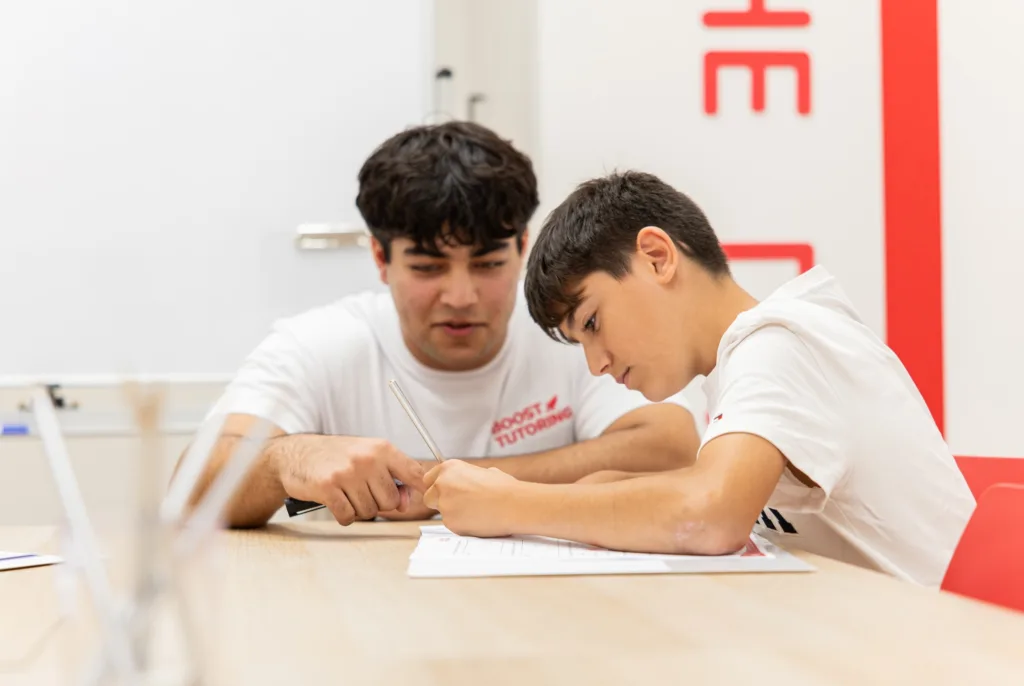
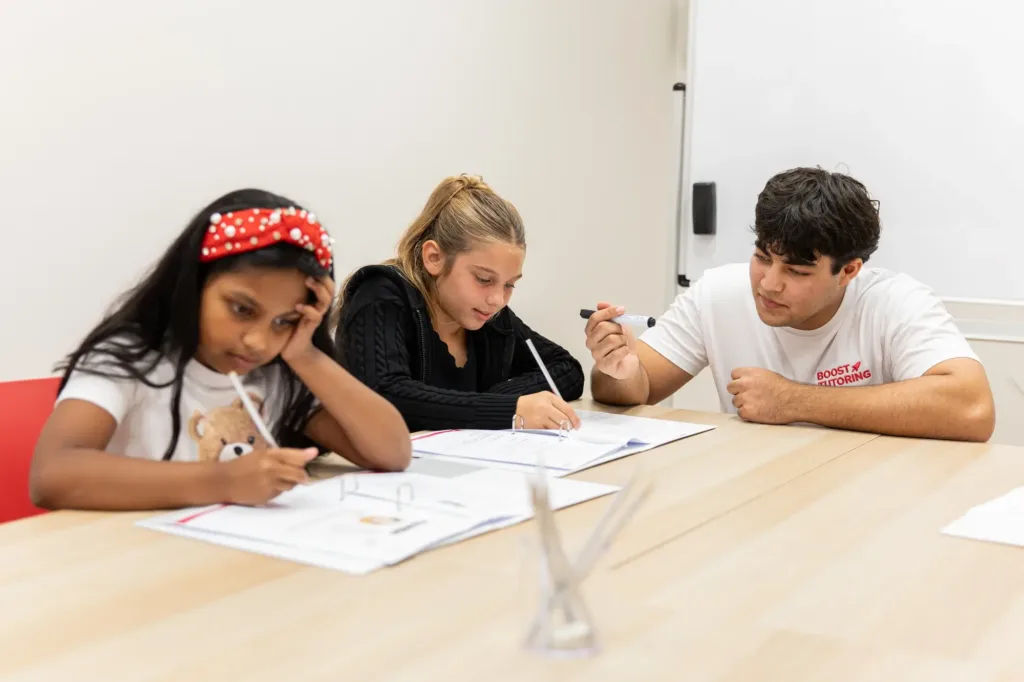
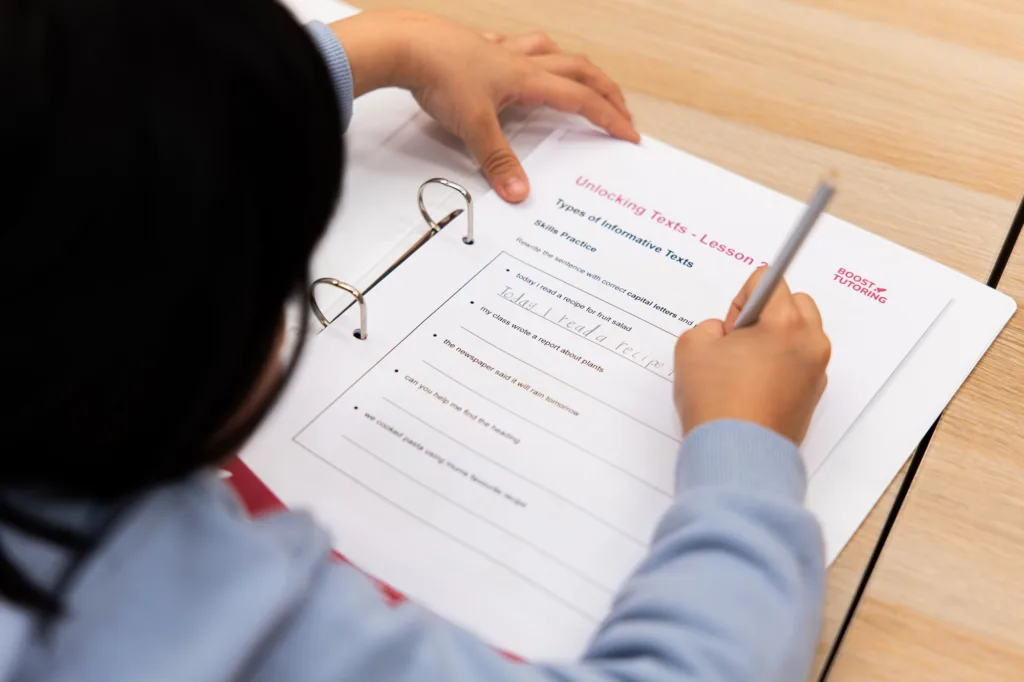
This is exactly why we built every Boost session around the same shape, Prime, Train, Retain, regardless of subject or year level. Five minutes of skills work to open, real teaching through the week’s content, then practice that locks it in before the session ends. It’s curriculum-aligned, it builds week on week, and it’s run in small groups of six to eight so a tutor can genuinely see who’s keeping up and who isn’t.
You shouldn’t have to guess whether tutoring is working from a one-word answer in the car. If you’re not sure anymore, that uncertainty is worth listening to.
Book a free academic assessment and see exactly where your child’s foundations sit