Say “group tutoring” to a parent who’s tried it before, and you can watch their face change. They picture a room of fifteen kids, one harried tutor, a stack of photocopied worksheets, and their own child quietly lost somewhere in the middle. If that’s your mental image, it’s a fair one. Plenty of places that call themselves tutoring centres run exactly that.
But small-group tutoring, done properly, is a completely different thing, and the gap between the two is why some parents swear by it while others are sure it doesn’t work. So here’s what small-group tutoring in Castle Hill actually involves, why it works when it’s done right, and how to tell the real version from the watered-down one.
What small-group tutoring in Castle Hill actually involves
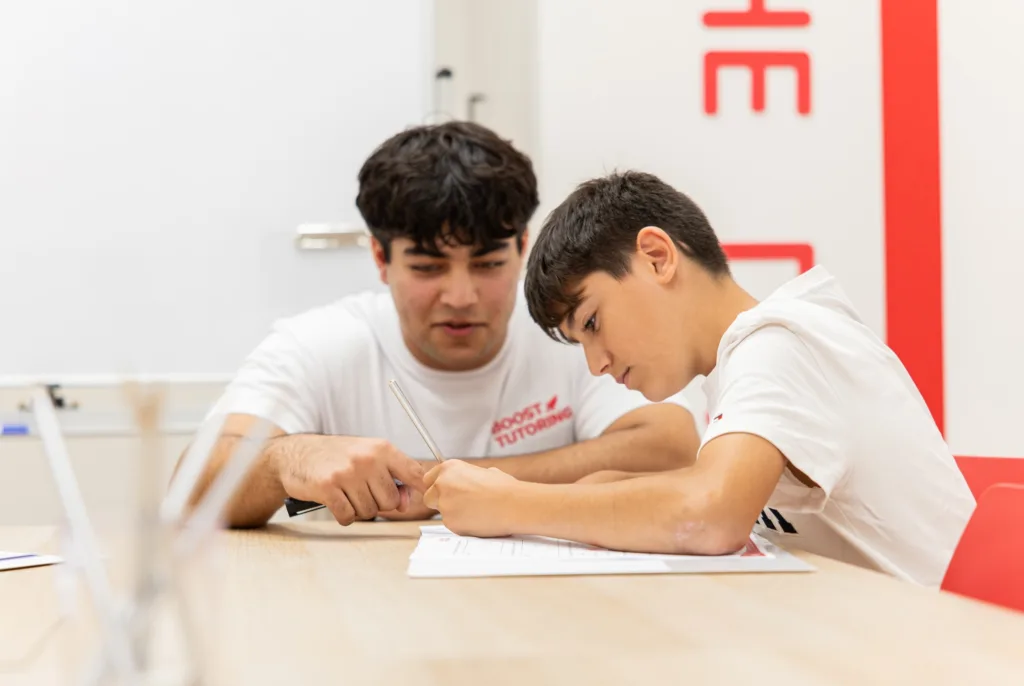
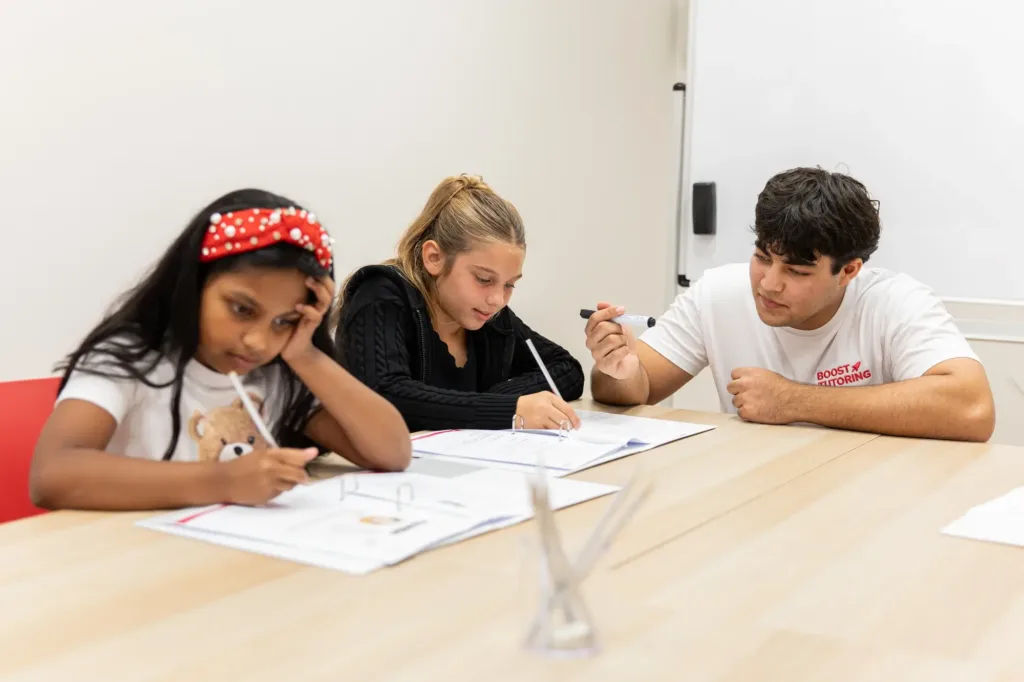
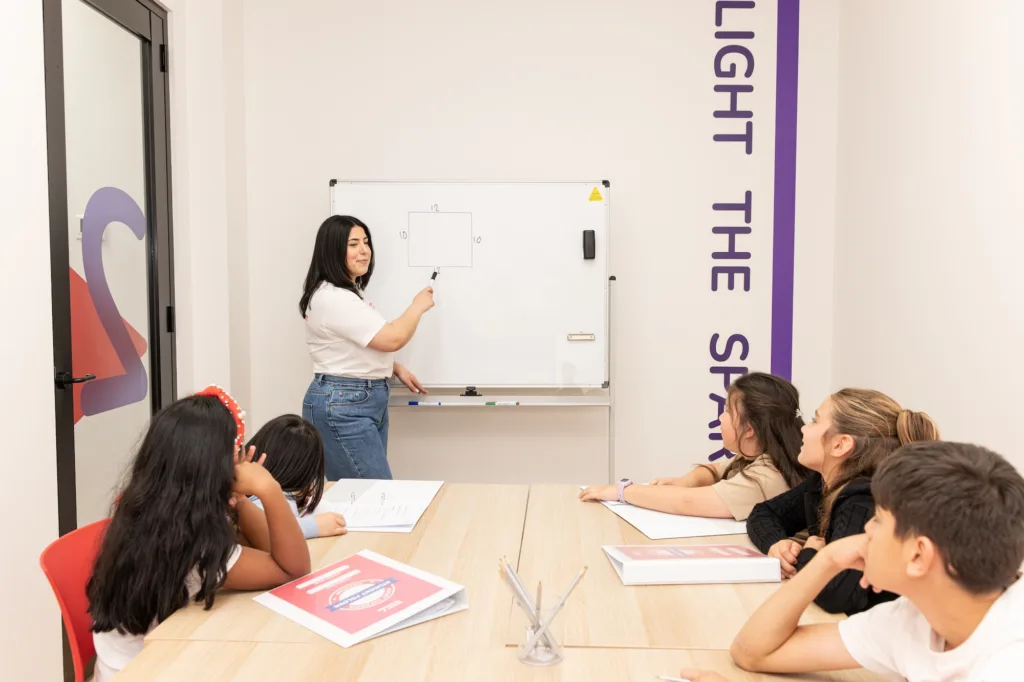
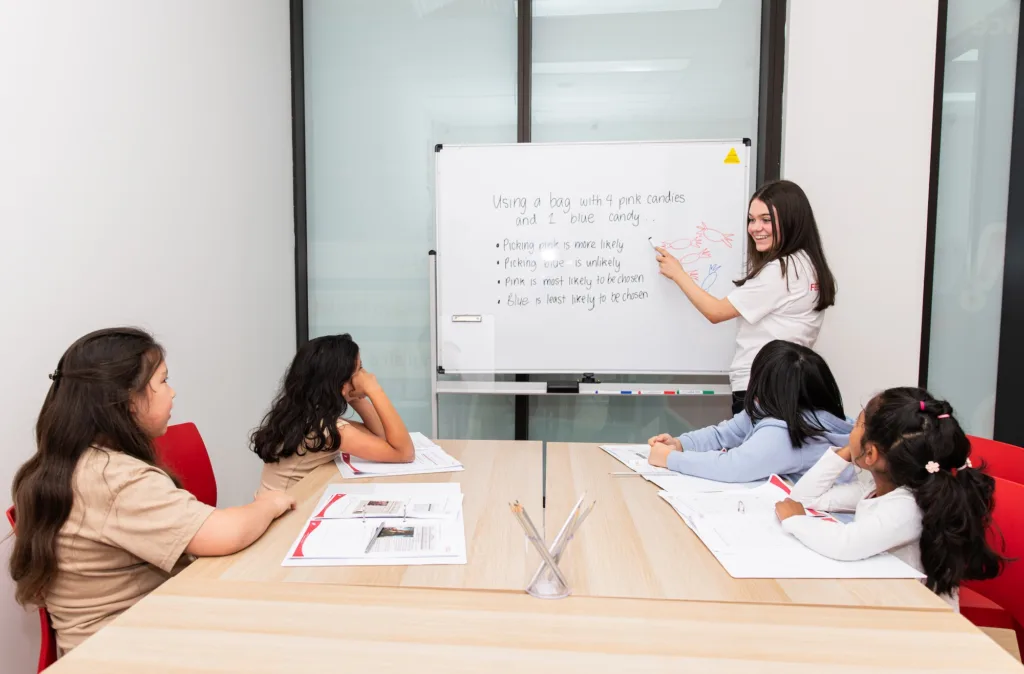
The phrase gets stretched to cover a lot. For our money, a genuine small group is six to eight students with one qualified tutor. Small enough that the tutor knows every child by name, knows their level, and remembers where they got stuck last week. Big enough that there’s a bit of energy in the room and your child isn’t sitting under a spotlight for sixty straight minutes.
That second part matters more than people realise. We’ll come back to it. For now, the key thing is what a small group is not. It is not a class of fifteen or twenty, which is really just a smaller school class. And it is not a roomful of children on different programs being supervised rather than taught. Both of those get called “group tutoring,” and both are the reason the term has a bad reputation.
Why it works when it’s done right
A few things make small groups effective, and none of them are complicated.
Attention is the first. In a group of six to eight, a tutor can move around the room, watch each child work, and catch the exact moment a student goes quiet because they’ve stopped following. In a class of thirty, that moment is invisible. Spotting it and stepping in is the whole point of tutoring, and a small group is the size that makes it possible.
The second is the right amount of pressure. One-on-one is intense. For some children it’s perfect. For many it’s a lot. Sixty minutes with nowhere to hide and an adult watching every pen stroke can make a nervous child seize up rather than open up. A small group takes the edge off. Children relax, and relaxed children ask questions instead of pretending they understand.
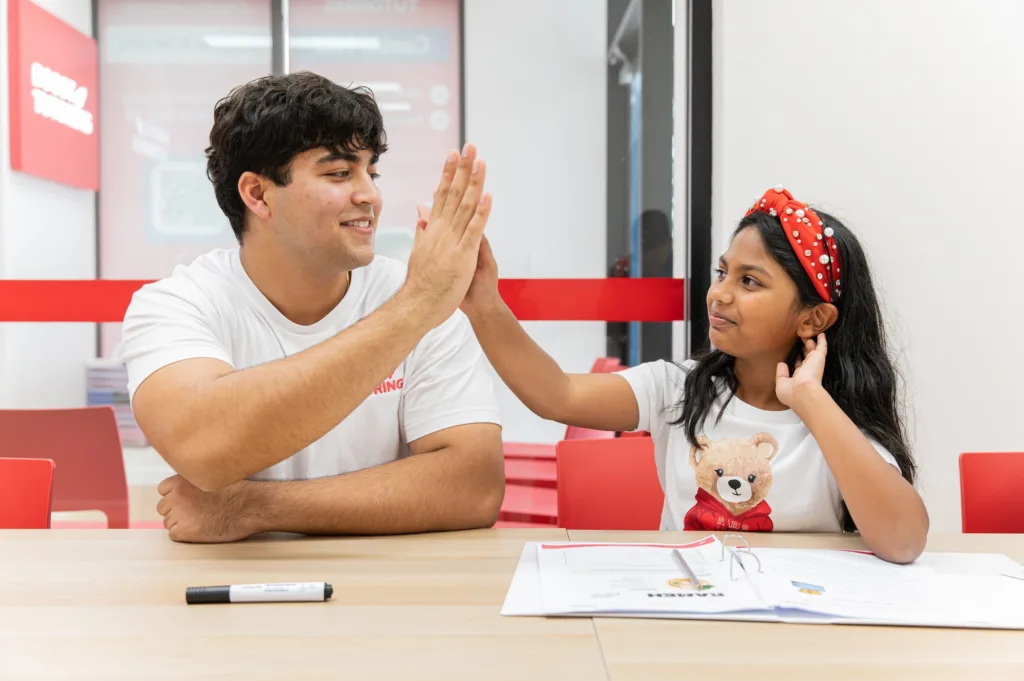
The third is the effect of peers. Kids learn from watching other kids work. A student who hears a classmate ask the question they were too embarrassed to ask, or sees a peer solve something a slightly different way, picks up more than they would on their own. A little bit of “they can do it, so can I” carries a child further than you’d think.
And the fourth is consistency without the cost. One-on-one every single week is expensive enough that many families end up rationing it. A small group is affordable enough to do consistently, and consistency, not intensity, is what actually builds skills over a term.
When it’s the right fit, and when it isn’t
Honesty matters here, because small-group tutoring isn’t the answer to everything.
If your child has one specific, urgent problem, say a single topic that needs fixing before an exam in three weeks, then one-on-one is faster for that narrow job. Think of it as a short, targeted repair rather than ongoing learning. There’s no point pretending otherwise.
But for the thing most families actually want, which is steady progress, stronger foundations and better habits across a whole year, small-group is usually the better fit. It’s built for the long game, and the long game is where most real learning happens.
The one condition is that the group has to be genuinely small and genuinely taught. A “group” of fifteen children on a worksheet production line is the version that earned group tutoring its bad name. Don’t judge the model by its worst example. Judge it by what a properly run small class can do.
How we run small groups at Boost
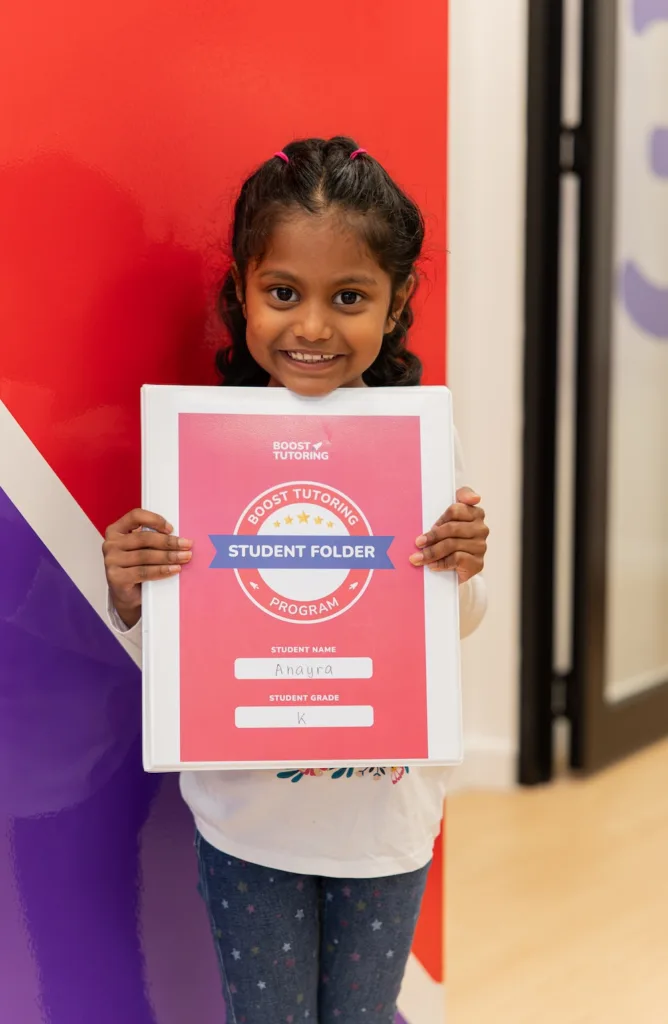
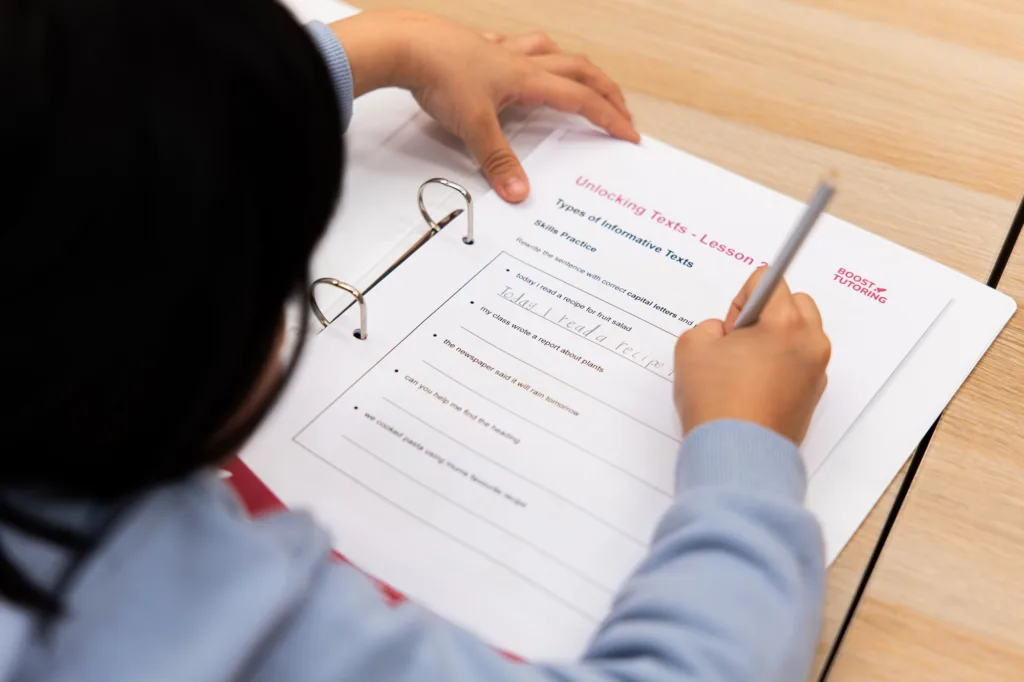
At Boost in Castle Hill, a small group is six to eight students with the same qualified tutor every week, aligned to the NSW syllabus. Each session opens with five minutes of skills work to switch the brain on, moves into real teaching with worked examples, then has students rep the content themselves until it sticks. We call it Prime, Train, Retain.
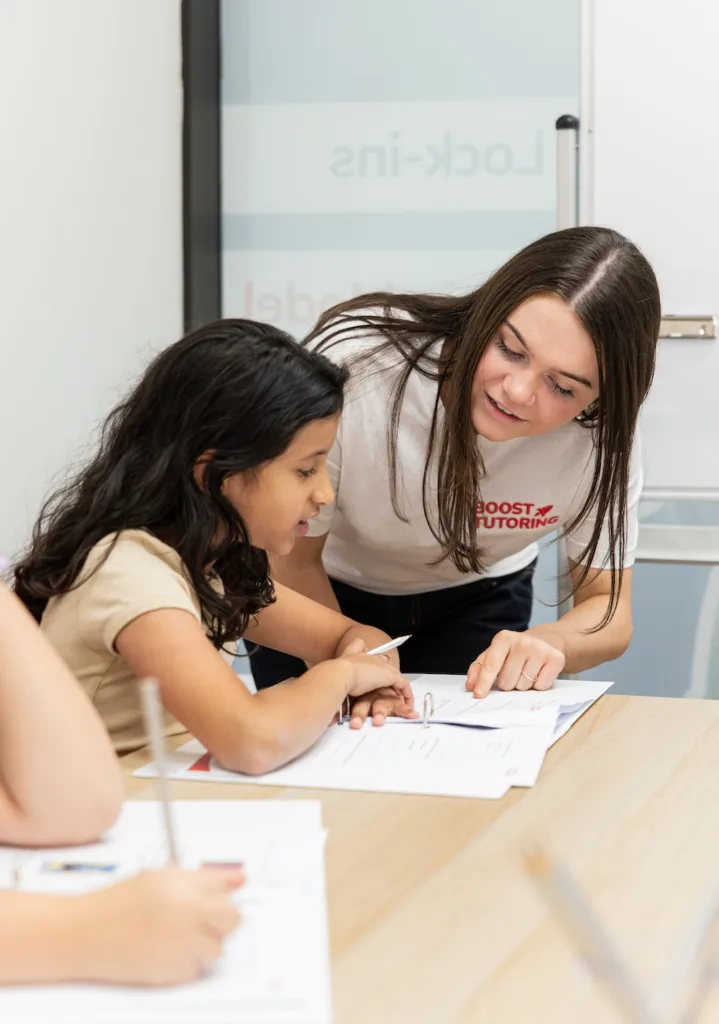
The same tutor each week is deliberate. Your child builds a relationship rather than starting over with a stranger every term, and a tutor who knows your child is far quicker to notice when something isn’t landing. The work then carries on at home through a short daily worksheet, so a week’s progress doesn’t quietly fade before the next session.
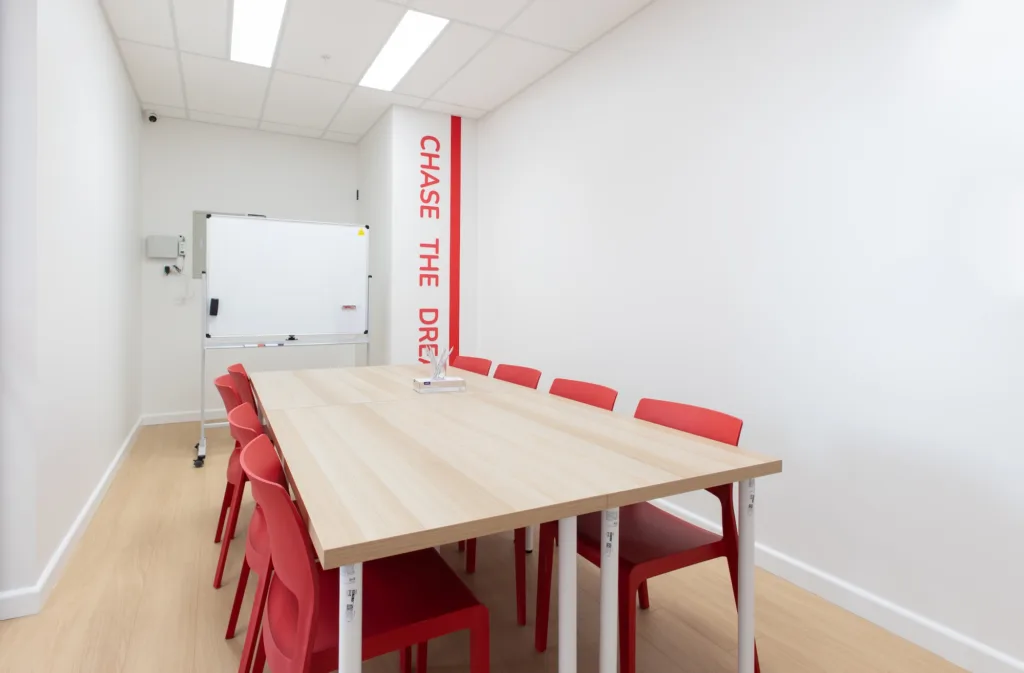
If you’ve been burned by “group tutoring” before, the honest test is a simple one. See a real small group in action and watch where your child sits in it. And before any of that, the most useful first step is finding out exactly where they are right now, so you’ve got a clear picture to measure everything against.
Find out where your child actually sits, then see a real small group for yourself.