
Year 3 has a way of sneaking up on parents. Kindergarten through Year 2 felt gentle, a lot of play, a lot of settling in. Then Year 3 arrives and the gears shift. The reading gets longer. Times tables turn up. Writing has to be more than a sentence. There’s even a NAPLAN test in the calendar. For an eight-year-old, it’s a genuine step up, and it can catch families slightly off guard.
If you’re wondering whether Year 3 is the moment to think about a bit of academic support, or whether it’s simply too early, this is for you. Here’s what actually changes in Year 3, what’s worth keeping an eye on, and how to think about Year 3 tutoring in Beaumont Hills without piling pressure onto a young child.
Why Year 3 Is a Bigger Step Than It Looks
The early primary years are mostly about learning the basics. Year 3 is where children start putting those basics to use, and that’s a real shift, not just a harder version of the same thing.
In reading, the change is sometimes described as moving from learning to read to reading to learn. The texts get longer and the questions get deeper. It’s no longer enough to read the words on the page. A child has to understand them, follow an idea across several sentences, and answer questions about what they’ve taken in. Plenty of children who read aloud beautifully hit their first wall right here, because reading smoothly and understanding deeply are two different skills.
Maths makes a similar jump. The number work turns more abstract. Times tables shift from optional to essential, and they quietly underpin almost everything that follows. Worded problems start to appear, which means a child now has to read carefully and reason, not simply calculate. Fractions begin to enter the picture too.
And alongside all of it, more independence is expected. Children are asked to manage tasks, follow multi-step instructions, and lean a little less on the teacher’s hand. For some, that’s exciting. For others, it’s where the first quiet “I don’t get it” starts to appear.
What to Keep an Eye On in Year 3
You don’t need to hover over every worksheet, but a few things are worth noticing.
Reading comprehension is the big one. If your child can read fluently but goes blank when you ask what the passage was about, that’s worth paying attention to. Comprehension is the skill nearly everything else leans on, in every subject, not just English.
Times tables and mental maths come next. A child who’s quick and confident with these has a real advantage in every maths topic that follows. A child still counting on fingers through Year 3 will find the road ahead harder than it needs to be, simply because so much builds on that fluency.
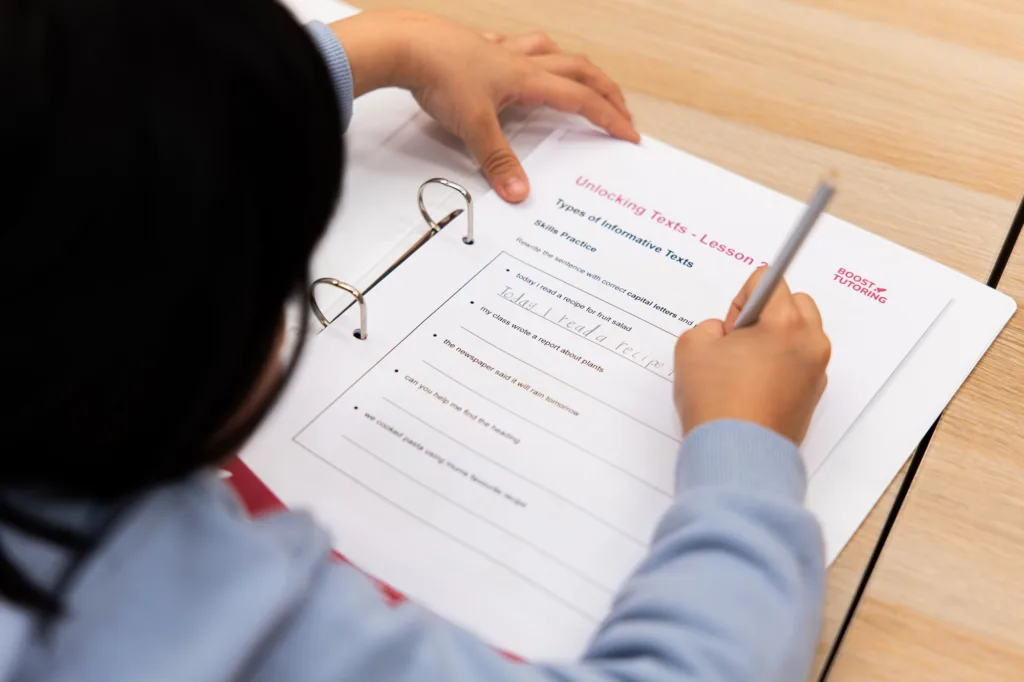
Writing is the third. Year 3 asks children to write more than a single sentence, to organise ideas into something with a beginning, a middle and an end. If getting words onto the page is a nightly battle, it’s far easier to help with now than later.
And then there’s confidence, the quiet one. Year 3 is often where a child first decides whether they’re “good at” a subject or not, and those early verdicts have a habit of sticking for years. NAPLAN, sat for the first time in Year 3, is less a thing to fear than a useful snapshot of whether the fundamentals are landing. Don’t over-weight it, but do read what it’s telling you.
Is Year 3 Too Early for Tutoring?
This is the question most Beaumont Hills parents are really asking, and the honest answer surprises some of them. No, it isn’t too early. If anything, it’s one of the best times there is.
Here’s why. The most effective support isn’t the emergency kind that arrives once a child is well behind and their confidence has already taken a hit. It’s the steady kind that keeps the foundation solid while it’s still being laid. Year 3 sits right at the point where the basics turn into the building blocks for everything else, which makes it a smart, gentle moment to make sure those building blocks are strong before more weight goes on top of them.
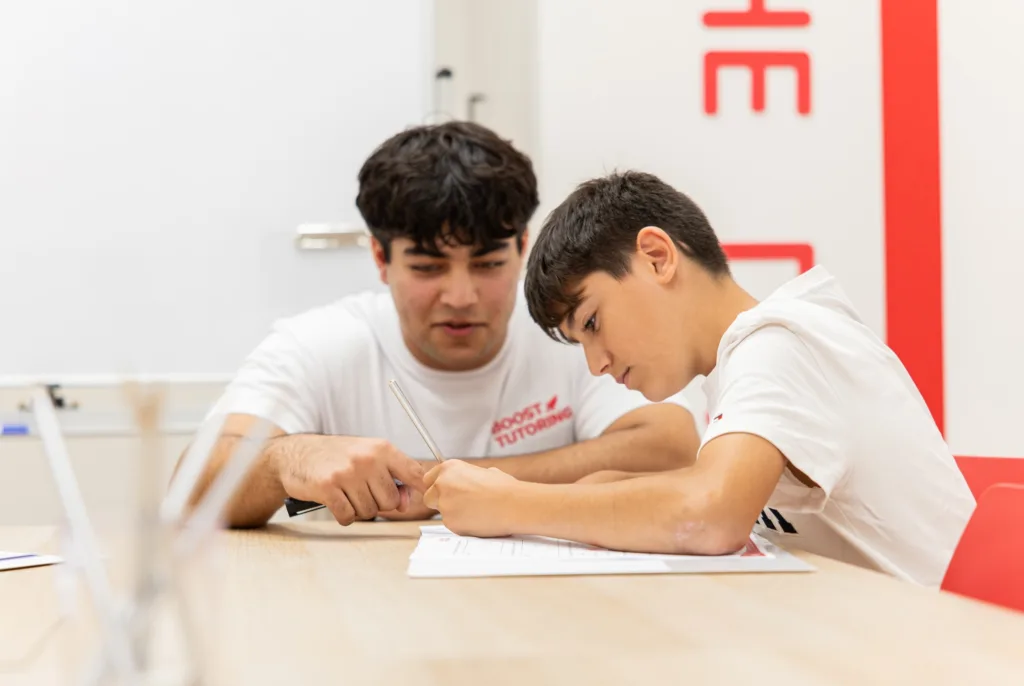
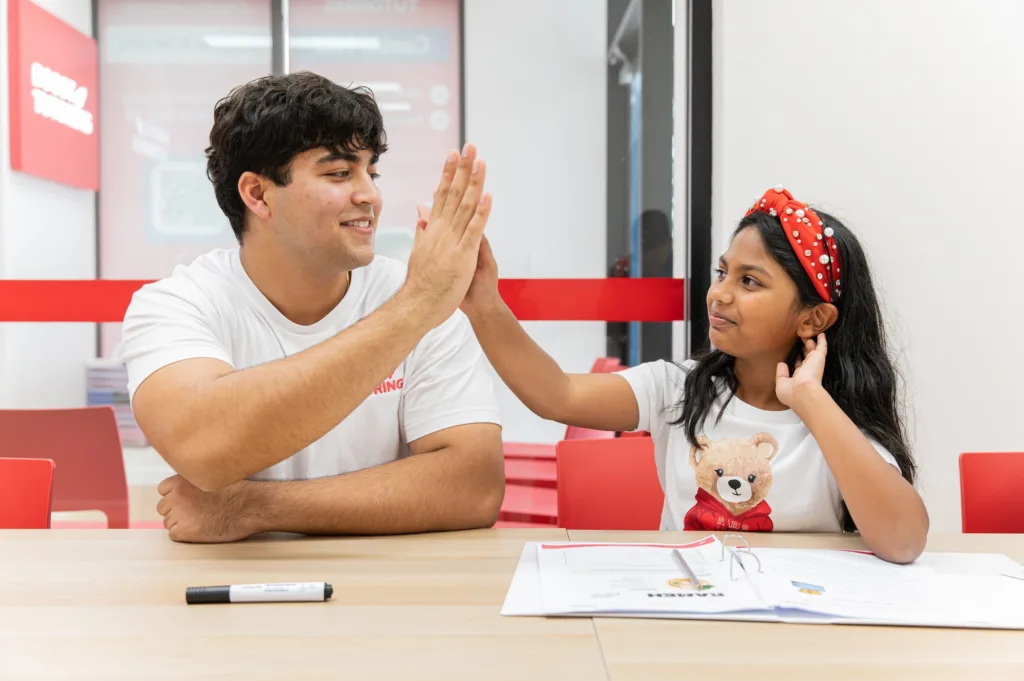
It’s worth being clear about what “tutoring” should mean at this age, though. For a Year 3 child, it shouldn’t look like exam pressure or a second school day. It should look like a bit of structure, some regular reading and number practice, and a child quietly building confidence. Done well, it takes pressure off rather than adding it, replacing the homework standoff at the kitchen table with something calmer and more consistent.
There’s a practical bonus, too. Year 3 is the year before OC preparation begins for families heading that way, and a child with strong foundations now steps onto that path far more comfortably than one cramming from a standing start. You don’t have to be aiming at OC for this to matter. Solid foundations are worth having no matter where your child ends up.
How We Approach Year 3 Tutoring in Beaumont Hills
Boost Primary covers the K–6 years, and Year 3 sits right in the sweet spot of what it’s built for: nailing the foundations and building confidence while it’s still easy to do.
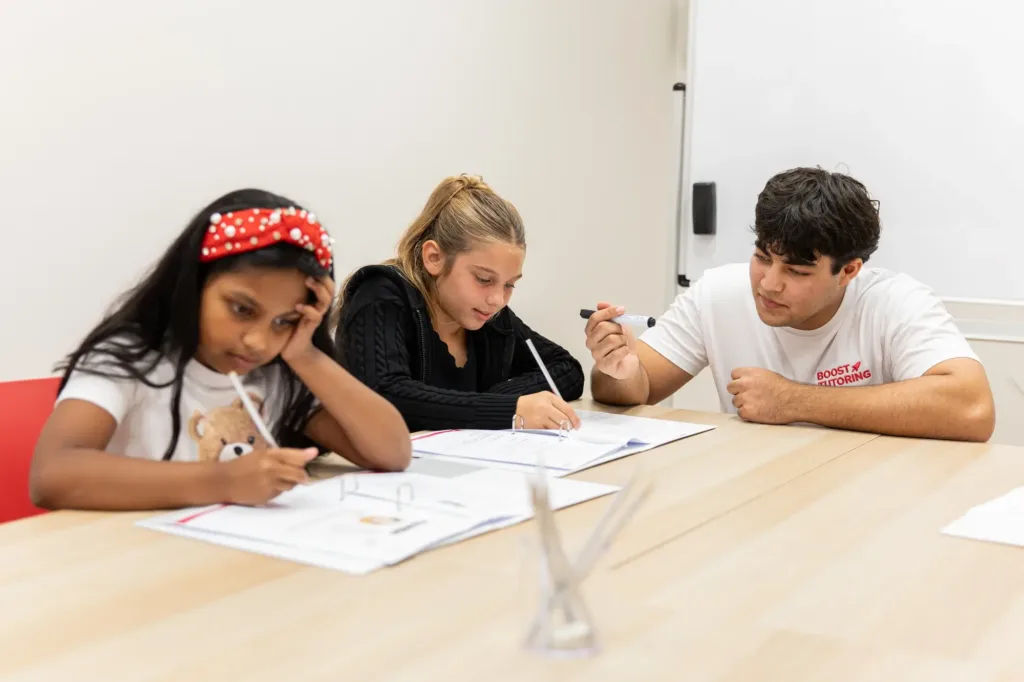
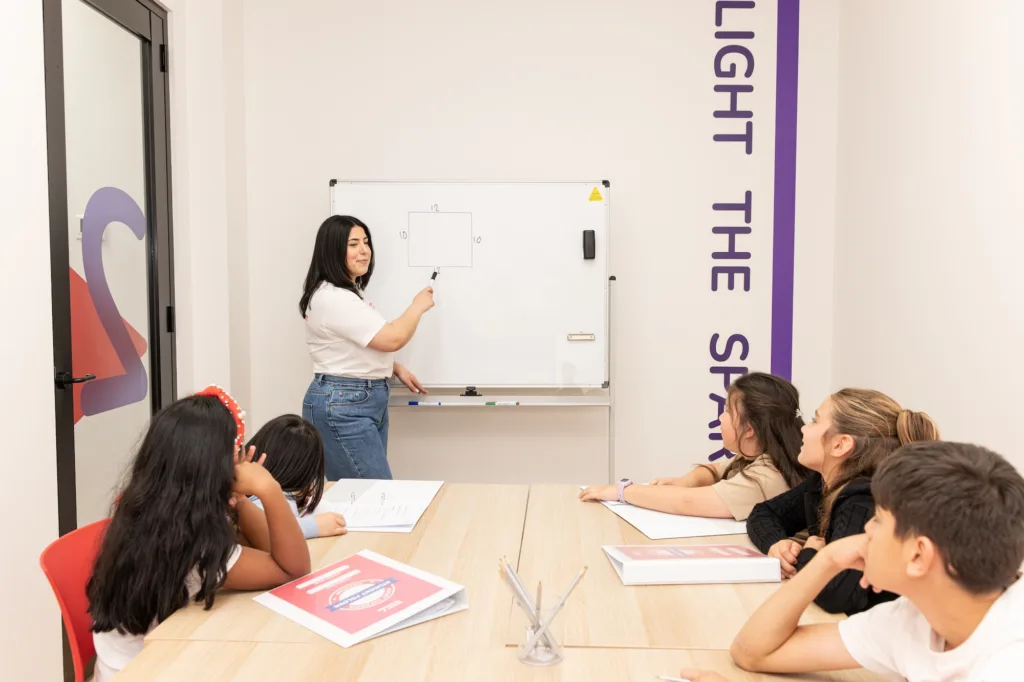
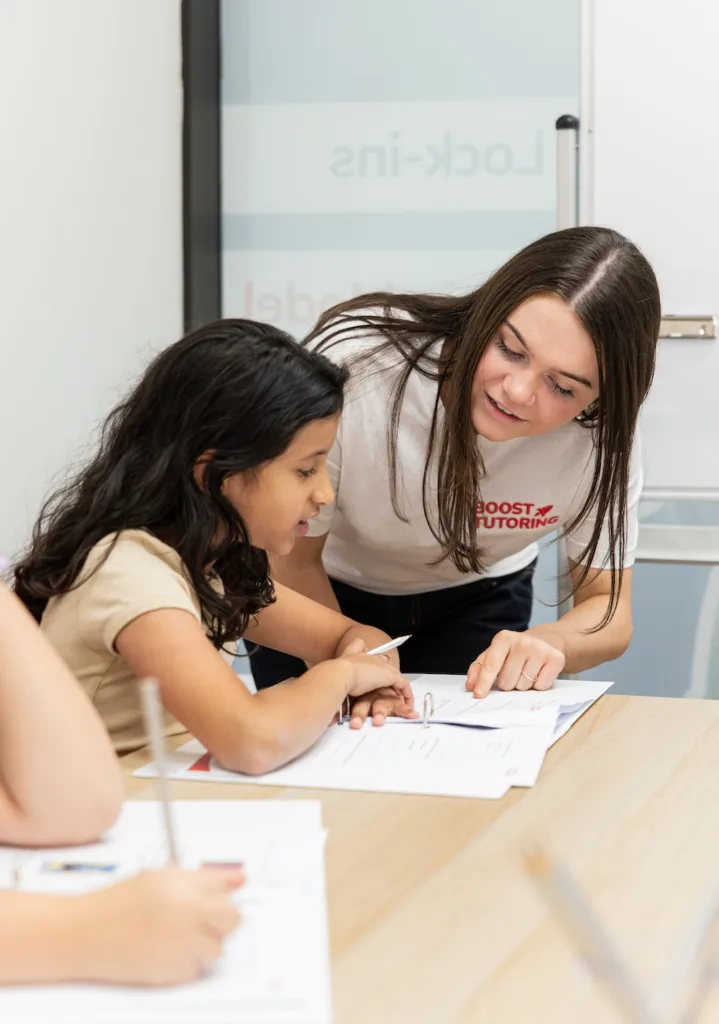
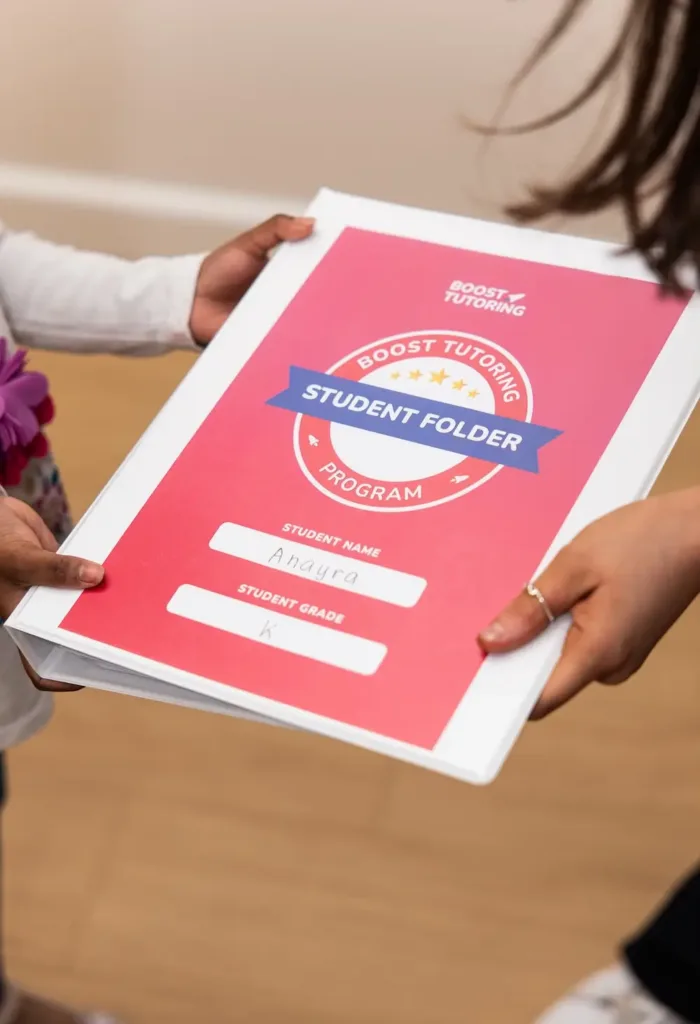
Sessions run in small groups of six to eight with the same tutor each week, in maths and English, aligned to the NSW syllabus. Each hour opens with five minutes of skills work, the times tables, mental maths and vocabulary a Year 3 child is just beginning to lean on, then real teaching, then the student working through it themselves until it holds. Prime, Train, Retain. It carries on at home through a short daily worksheet, because at this age a little every day does far more than a lot once a week.
The aim is straightforward. A Year 3 child who’s steady on the basics, growing in confidence, and enjoying the work rather than dreading it. Get that right, and the years that follow become a great deal easier.
Year 3 isn’t too early. It’s the year the foundation either sets firmly or starts to wobble, which makes it one of the best moments to make sure your child is standing on solid ground.
Book a free academic assessment and see where your child really sits.