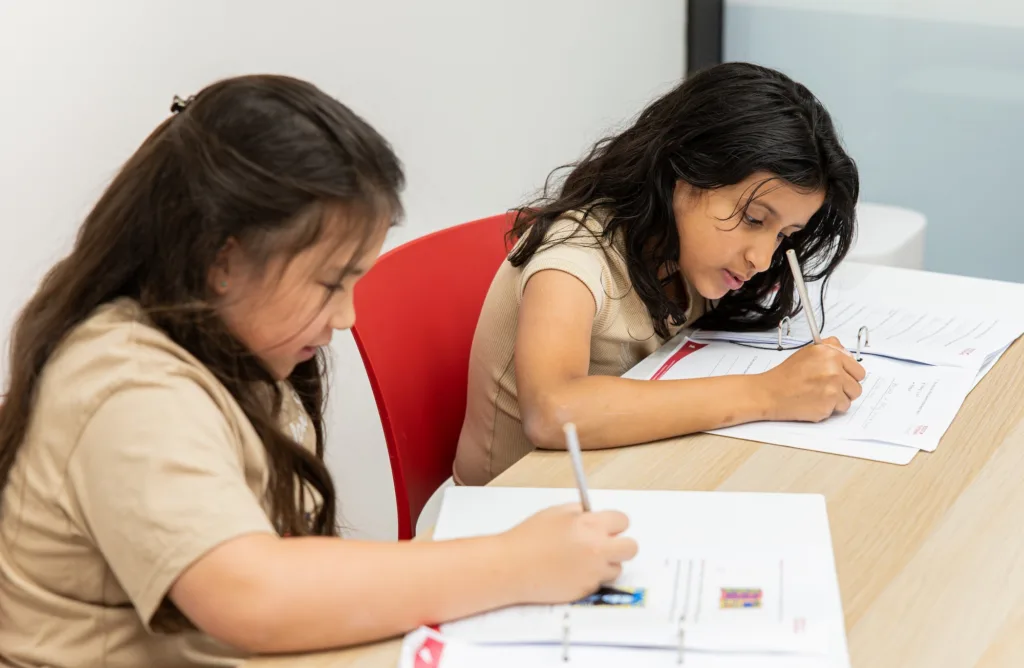
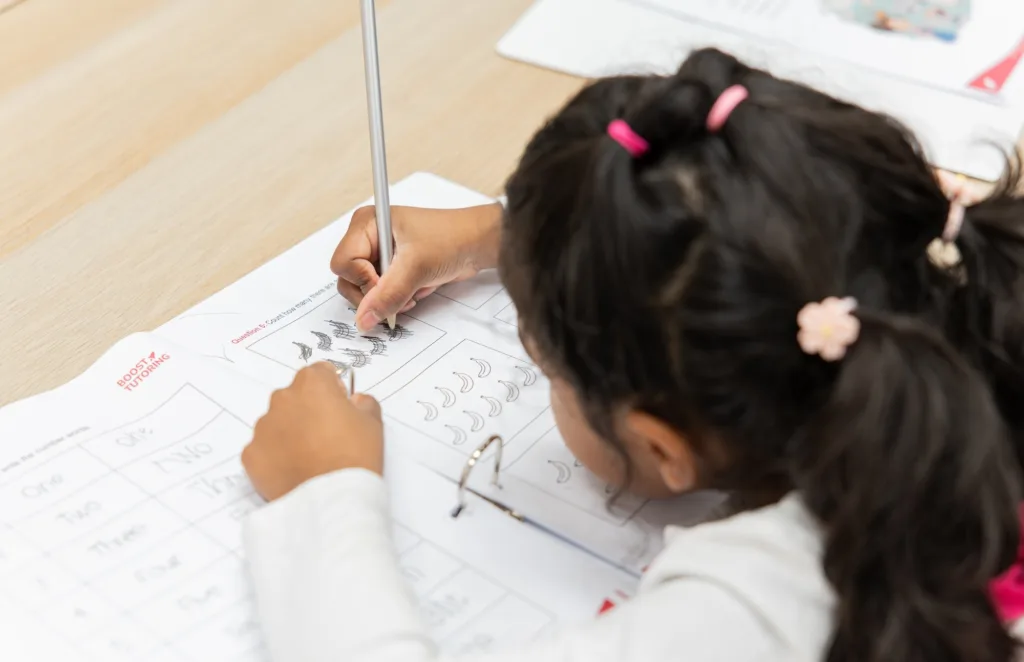
You know this scene. You sit down beside your child and the homework gets done. Not easily, perhaps, but it gets done. You get up to put dinner on, and within ninety seconds the pencil is down, the staring has started, and nothing further will happen until you come back.
It’s maddening, and it’s easy to read as laziness or manipulation. It usually isn’t either. There’s a specific reason children can work with you and not without you, and once you understand it, the fix becomes clearer. Here’s what’s actually going on.
What Your Presence Is Actually Doing
When you sit beside your child, you’re doing more than keeping them company. You’re doing several invisible jobs, and they may not be able to do any of them yet.
You’re holding their attention in place. Sitting still and staying on task is genuinely hard for a child, and your presence externally supplies the focus they can’t yet supply themselves.
You’re breaking the work down. When they stall, you say “just do the first one” or “what’s the question actually asking?” You’re doing the job of turning a big scary task into a small doable one, and that’s a skill, not a personality trait.
You’re catching errors before they compound. They try something, you nod or frown, and they adjust. That instant feedback keeps them from getting stuck long enough to give up.
And most importantly, you’re absorbing the discomfort. The moment a child hits something they don’t understand, there’s a small unpleasant feeling. Confusion. Frustration. The fear of being stupid. With you there, that feeling is survivable, because you’ll rescue them. Alone, it’s overwhelming, so they escape it the only way they can: by stopping.
That last one is the real answer to the question. It isn’t that your child can’t do the work. It’s that they can’t yet tolerate the feeling of not being able to do the work, and you’ve been doing the tolerating for them.
Why It Gets Worse, Not Better
The trap is that the more you sit beside them, the more they need you to. Every time you rescue them from being stuck, they learn that being stuck is something someone else resolves.
Meanwhile the work gets harder each year, and the moments of being stuck get more frequent. So the dependence deepens exactly as the demands grow, and by high school, where nobody is going to sit beside them, the whole structure collapses.
None of this is a criticism. Sitting with your child is a loving, sensible thing to do, and for a young child it’s exactly right. The problem is only that it has to be a stage, not a permanent arrangement, and most families never plan the exit.
How to Build Independence Without Abandoning Them
The answer isn’t to stop helping. It’s to change what you’re helping with.
Start by shifting from doing to setting up. Get them started, make sure they understand the task, then physically move away. Nearby, but not beside them. Same room, different table. Available, not attached.
Then teach them what to do when they’re stuck, because that’s the actual skill they’re missing. Give them a rule: try it, and if you’re stuck, skip it and come back, and if you’re still stuck, circle it and we’ll look at it at the end. This is enormously powerful, because it gives a child something to do with the discomfort other than stopping. Being stuck stops being a full stop and becomes a comma.
Let them be wrong. This is the hard one for parents. A page with mistakes on it that your child did alone is worth more than a perfect page you did together, because the mistakes are information, for them and for their teacher. A child who is never allowed to be wrong never learns that being wrong is survivable.
And shrink the sessions. Ten minutes of genuinely independent work is worth more than an hour of supervised work, and it’s a far more realistic place to start. Build from there.
Expect It to Get Worse Briefly
When you step back, output usually drops at first. Less gets done, more is wrong, and there may be some protest. That’s not failure. That’s what it looks like when a child starts doing something themselves that was previously being done for them.
Hold the line through that patch. It’s usually shorter than you fear.
How We Build Independence at Boost
A lot of what we do is designed to build exactly this capacity, and the structure of a Boost session is deliberate about it.
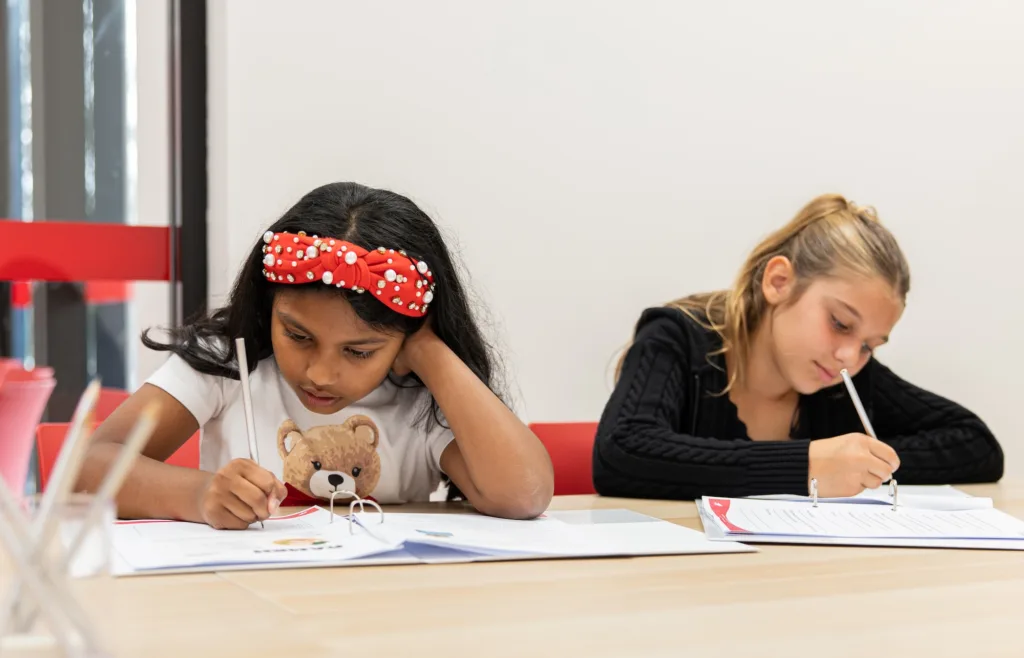
Every session ends with Retain: the student working through the content themselves, with the tutor nearby but not hovering. That’s independence with a safety net, which is precisely the bridge a child needs between working with you and working alone. They learn that being stuck is normal, that it can be worked through, and that they can produce something on their own.
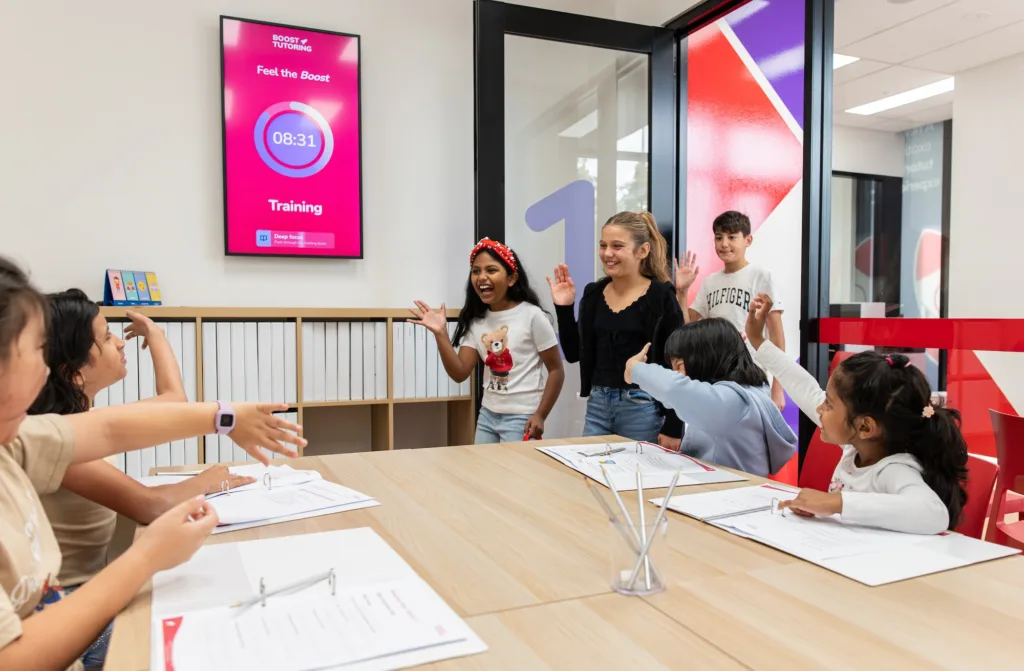
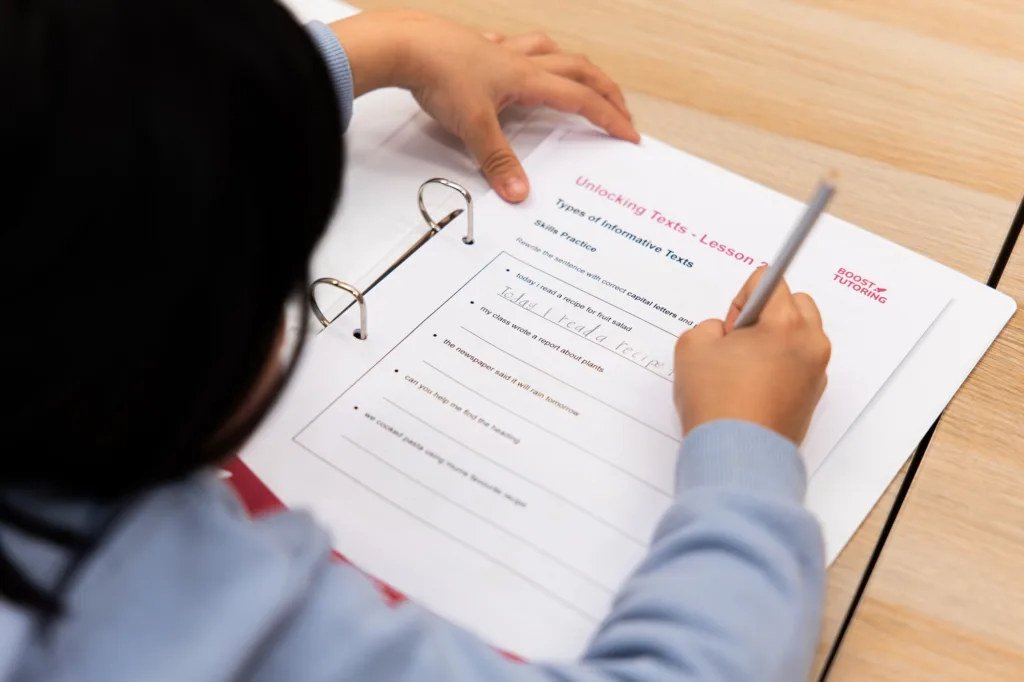
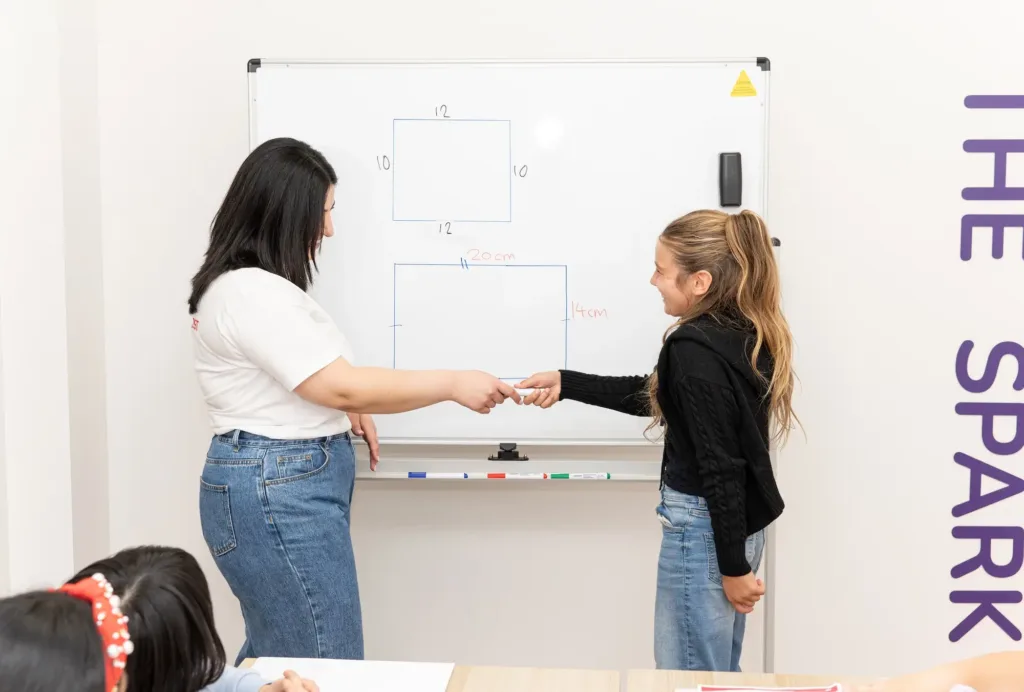
Sessions run in small groups of six to eight with the same tutor each week, aligned to the NSW syllabus, opening with a few minutes of skills work, then real teaching, then that independent practice. It carries on at home through a short daily worksheet, which is short enough that a child can do it alone, which is rather the point. Ten minutes done independently every day builds the habit better than an hour done under supervision once a week.
There’s also a quiet benefit in taking the teaching out of your hands entirely. It gives you back your evening, and it takes the homework battle off the kitchen table, which is often better for everyone’s relationship than another hour of trying to teach a child who doesn’t want to be taught by you.
Your child isn’t refusing to work alone because they’re lazy. They’re doing it because they haven’t yet learned to sit with not knowing. That’s a teachable skill, and it’s one of the most valuable things they’ll ever pick up.
Book a free academic assessment and see exactly where your child’s foundations sit