You’re standing at Castle Hill pickup and another parent mentions, almost in passing, that their Year 2 child has “started OC prep.” Your child is in Year 2 too. You didn’t know there was anything to start yet. For the rest of the walk home, you’re doing the maths in your head: if other families are years out and already working on it, are you already behind?
The truth is, “OC prep” gets used to describe a dozen different things, from a genuinely structured programme to a parent buying a workbook because someone else did. Some of it helps. A lot of it is noise, or worse, work that switches a child off years before it matters. Before you can decide when to start, it helps to know what the OC test actually tests, when, and what genuinely moves the needle in the years before it.
How the OC Test Timeline Actually Works
The Opportunity Class placement test is sat in Year 4, for entry into Year 5. Applications open early in Year 4, usually in Term 1, and the test itself runs mid-year. A family with a Year 2 child this year is still around two years out from the actual test.
That gap matters. The OC test covers reading, mathematical reasoning, and thinking skills, not curriculum content memorised under pressure, but the ability to reason clearly and quickly under test conditions. Those are skills built over years of steady practice, not weeks of cramming before test day. Starting early doesn’t mean starting OC-specific drills in Year 2. It means making sure the underlying skills, reading comprehension, number fluency, logical reasoning, are solid well before the test format ever enters the picture.
What OC Prep Should Actually Look Like Early On
This is where a lot of Castle Hill families get the sequencing backwards. They hear other parents talking about OC prep and assume the answer is to find OC-style practice papers and start working through them as early as possible. For a Year 2 or early Year 3 child, that’s usually the wrong move. Practice papers assume a level of reading stamina, vocabulary, and mathematical reasoning that most children haven’t built yet. Put in front of them too soon, a child either guesses their way through or switches off entirely, and neither builds the skill you’re actually trying to build.
What Year 2 and Year 3 should look like instead: wide reading across different text types, fiction and non-fiction, being asked to explain their reasoning rather than just give an answer, and steady, low-pressure practice with number facts and problem-solving. Talking through a book at dinner, working out a shopping total in their head, being asked “why do you think that?” instead of just “what’s the answer?”, all of it counts. This is unglamorous work. It doesn’t look like OC prep from the outside. But it’s the foundation the test-specific work sits on top of, and children who have it tend to find the Year 4 test-format work far less stressful, because they’re not learning to reason and learning a test format at the same time.
There’s a simple test for whether a child is ready for more structured, test-style practice: can they read a passage a year or so above their level, then explain in their own words what it was actually about, not just repeat phrases back? Can they work through a multi-step maths problem without needing every step shown first? If the answer is mostly yes, structured practice will build on strengths already there. If the answer is mostly no, more practice papers won’t close that gap, more reading and reasoning work will.
A Realistic Year-by-Year Guide for Castle Hill Families
A timeline that holds up in practice looks something like this. In Year 2 and early Year 3, the focus stays on general reading, comprehension, and maths reasoning, with no test papers yet. From mid Year 3, it’s reasonable to introduce your child to the idea of the OC test and give them light, occasional exposure to the kind of thinking-skills questions it uses, framed as puzzles rather than practice. By Year 4, once applications open, the work becomes more structured: familiarity with the test’s timing and format, regular but not excessive practice, and a close eye on whether your child is coping or starting to dread it.
The families who struggle most aren’t usually the ones who started “too late.” More often, they’re the ones who started test-specific drilling in Year 2 or 3, kept it up for two straight years, and arrived at the actual test burnt out on the exact skills they needed to bring their best to on the day. Watch for the warning signs along the way: a child who used to enjoy reading suddenly avoiding it, homework time turning into a daily argument, or a formerly confident child starting to say they’re “not smart enough.” Those are signs to ease off the test-specific work, not push harder. A shorter, more focused run-up with a well-prepared, still-motivated child usually beats a long one with a tired one.
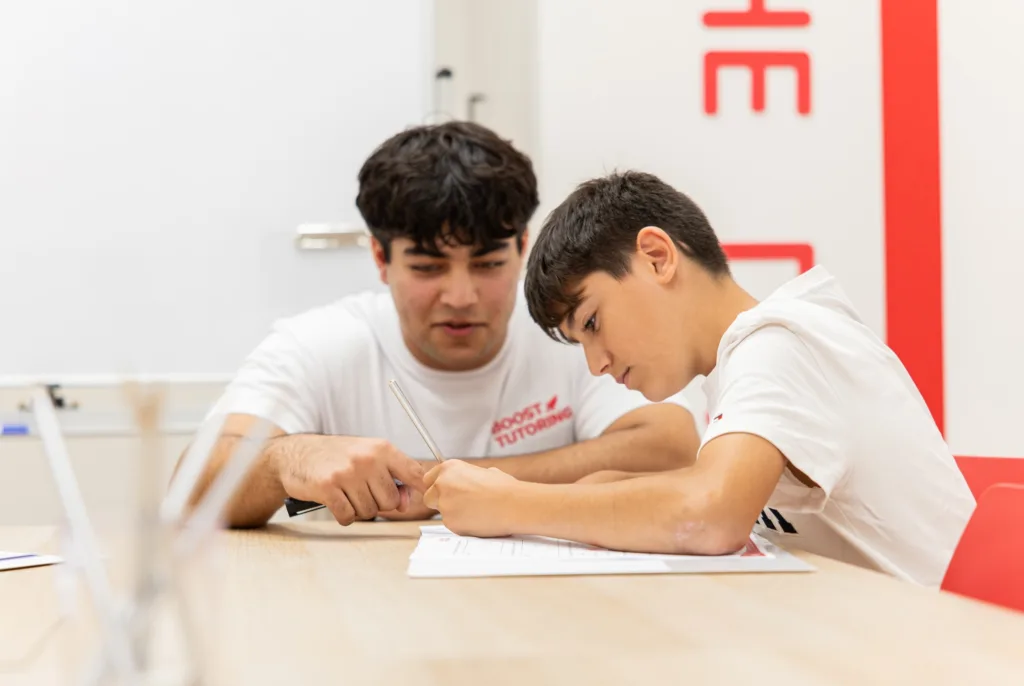
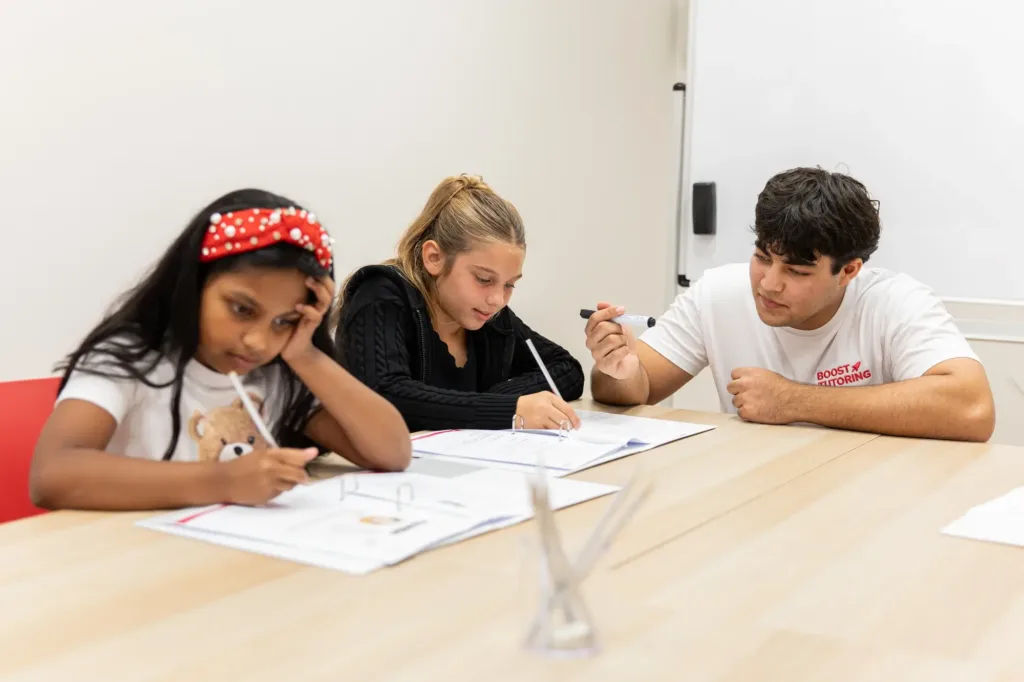
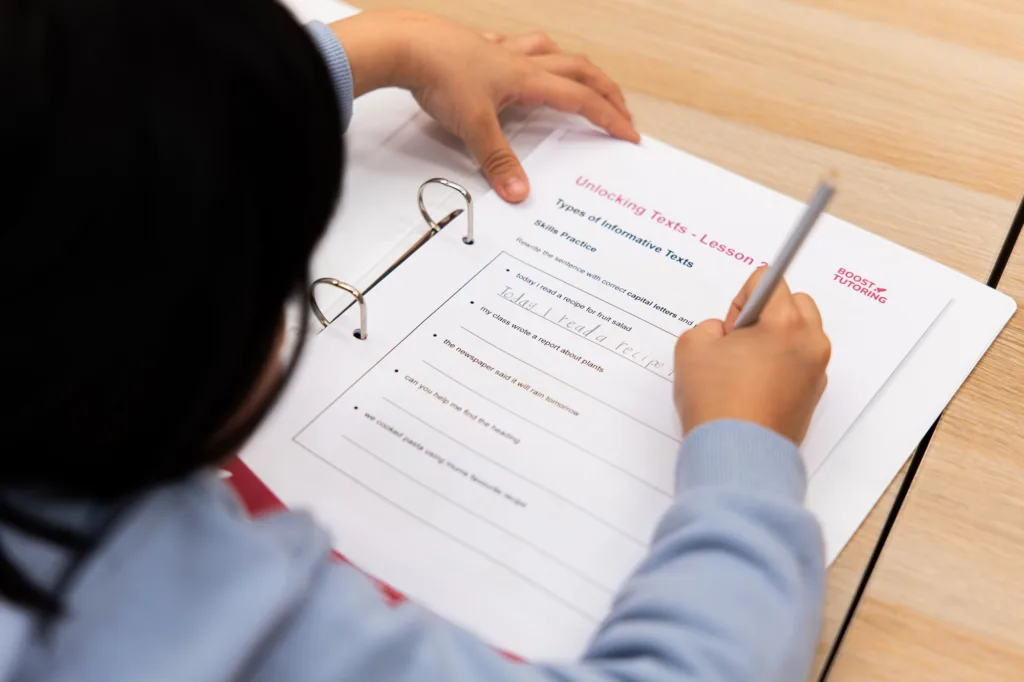
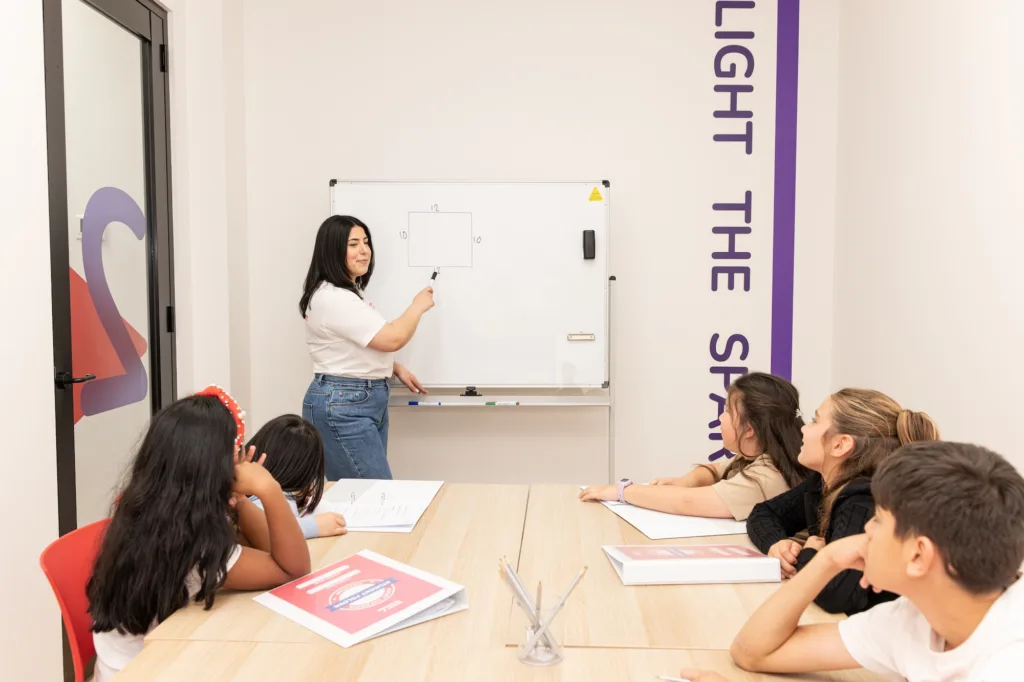
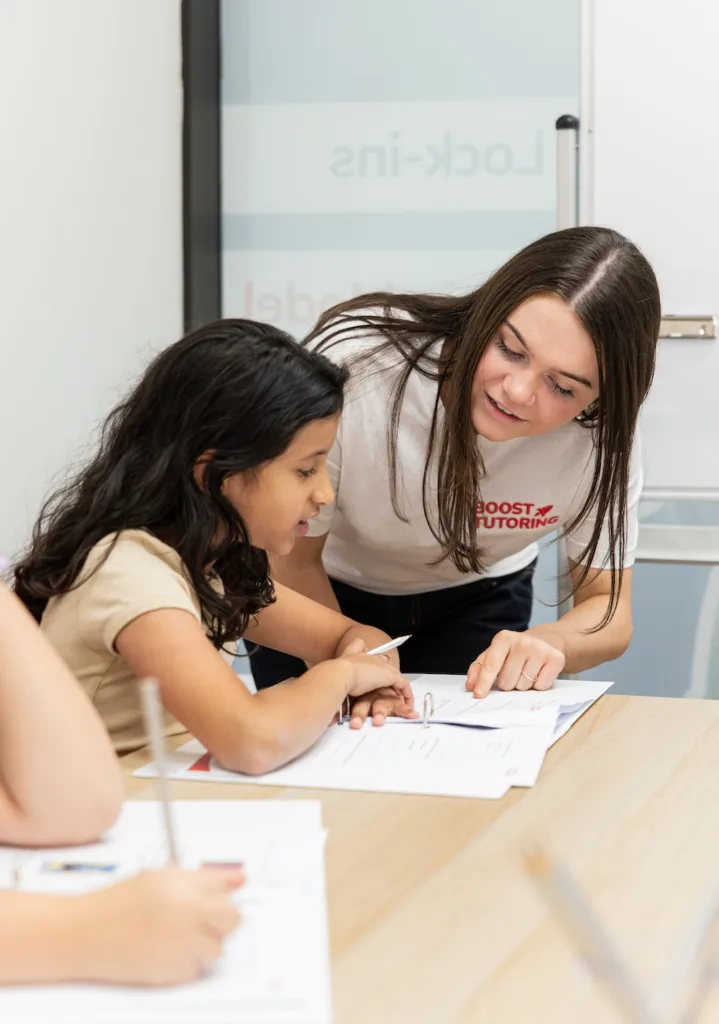
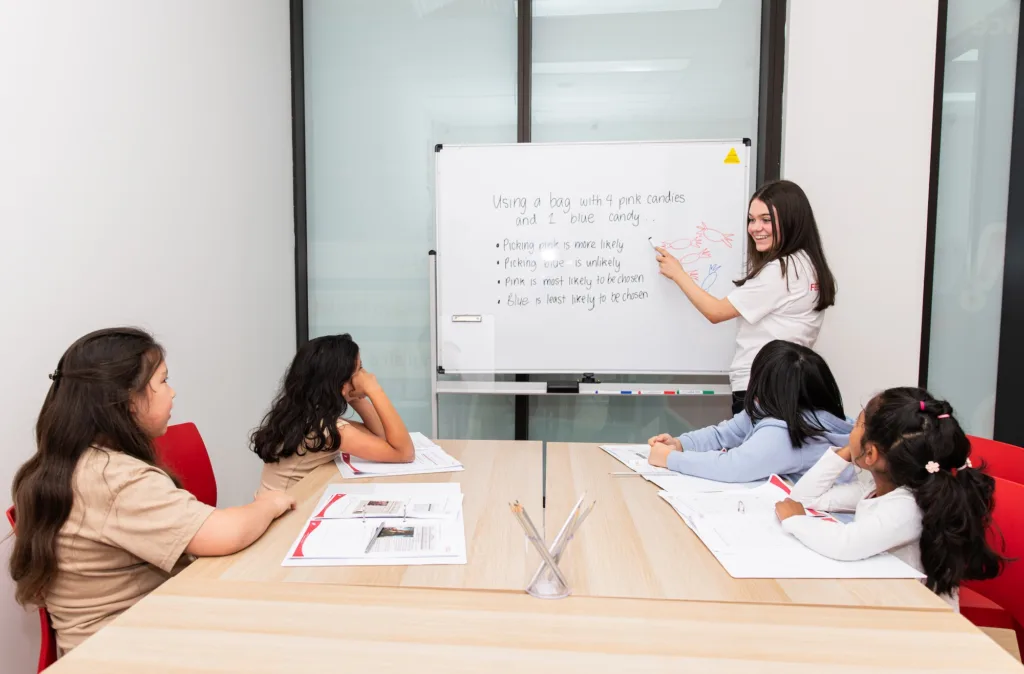
This is the sequencing we build Boost OC around. Sessions for Year 3 and Year 4 students open with short reasoning and reading drills, work properly through the thinking skills and comprehension content, then finish with students repping it back themselves so it actually sticks, rather than a term of intensive test-paper cramming right before the exam. The goal isn’t to get a Year 2 child doing Year 4 work. It’s to have the foundation solid enough that when the Year 4 work starts, it feels like a natural next step instead of a scramble.
If you’re not sure where your child’s reading and reasoning skills actually sit against what the OC test will eventually ask of them, book a free academic assessment and we’ll give you a clear answer instead of a guess.
Book a free academic assessment and see exactly where your child’s foundations sit