Your child comes home and says the class talked about NAPLAN writing today, and someone mentioned they won’t know if it’s a story or an argument until the day itself. You nod along, but if you’re honest, you couldn’t say much more than that. Is the NAPLAN writing task marked strictly? How long do they get? Does typing versus handwriting actually matter? You’re not being asked to teach the test. You just want to understand what your child is walking into, so you can talk about it calmly instead of adding to the nerves.
That’s a reasonable thing to want, and it’s more straightforward than it sounds once someone lays it out plainly. The NAPLAN writing task isn’t a mystery test with hidden rules. It’s a defined, well-documented piece of the assessment, sat by every student in Years 3, 5, 7 and 9, and once you know how it runs, most of the anxiety around it comes from not knowing rather than from the task itself.
What the NAPLAN Writing Task Actually Involves
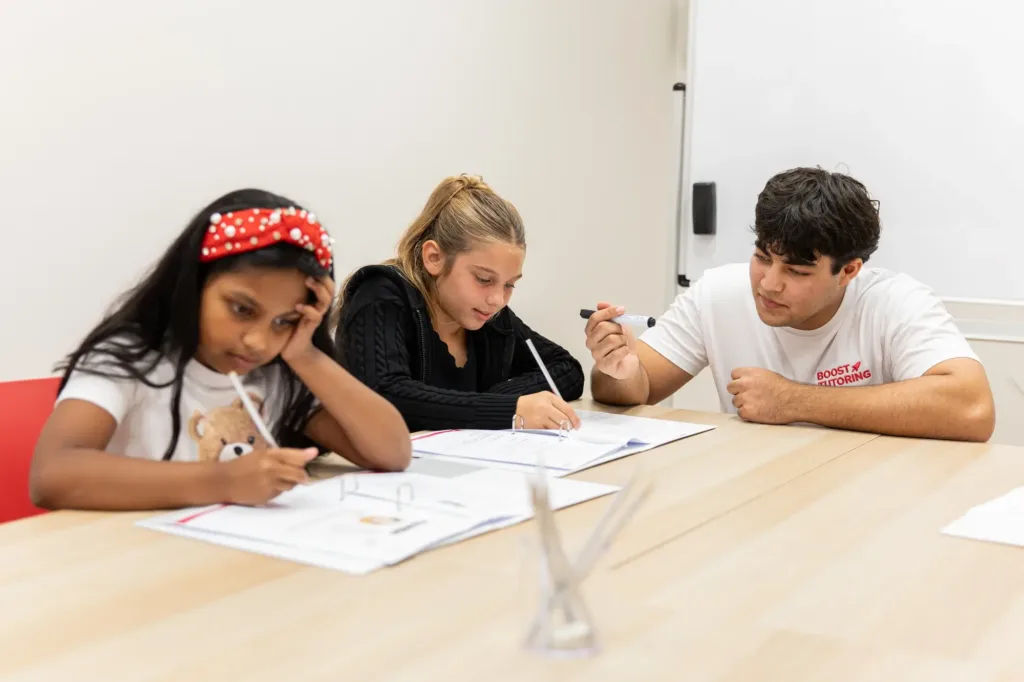
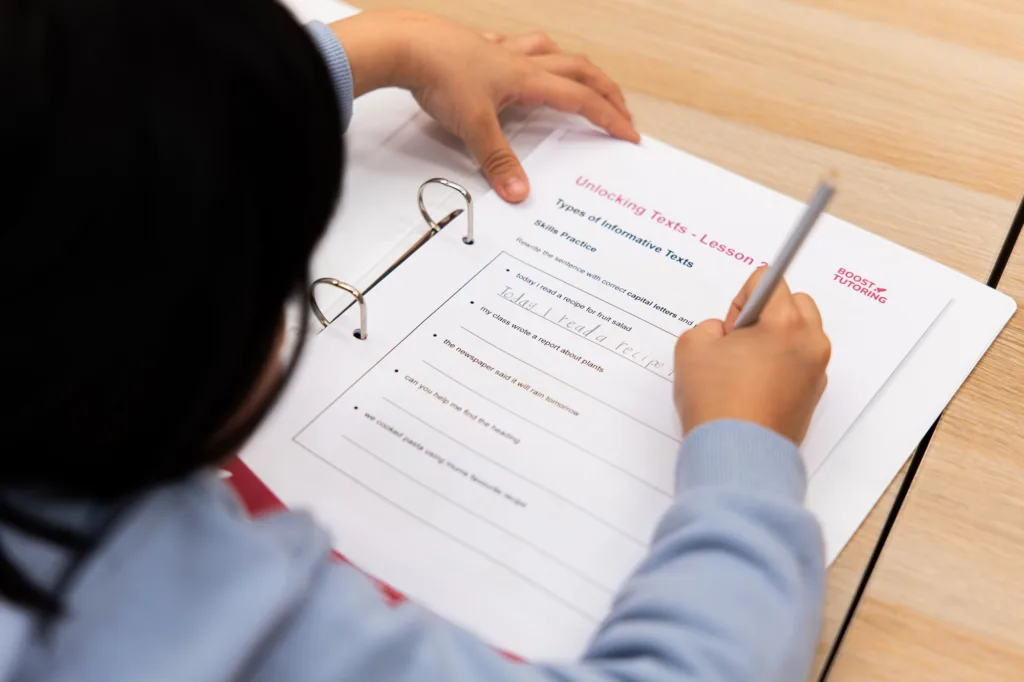
Every student sits one writing task, regardless of year level. Year 3 students handwrite their response on paper with a pencil and get 40 minutes. Students in Years 5, 7 and 9 type their response directly into the online testing platform and get 42 minutes. Within that time, students are expected to spend a few minutes planning before they start writing, then use the rest of the session to draft and edit their response. There’s no separate planning test and no bonus time for finishing early elsewhere.
That’s genuinely the whole structure. One prompt, one sitting, one piece of writing, marked the same way across the country. Every student answers the same prompt, in the same conditions, under the same clock. The part that trips families up isn’t the timing. It’s not knowing which kind of writing is coming.
Persuasive or Narrative: Why Your Child Won’t Know in Advance
Students are given either a persuasive prompt or a narrative prompt, and they don’t get to choose which one, or find out beforehand. The genre is revealed on the morning of the test itself. A persuasive prompt asks a student to argue a point of view and back it up. A narrative prompt asks them to tell a story, usually built around an idea or an image given on the day.
This is by design, not an oversight. NAPLAN is testing whether a student can write competently in general, not whether they’ve memorised one polished piece for one particular genre. It’s also why “teaching to the test” in writing doesn’t really work the way it might for a maths topic. A child who’s only ever practised persuasive paragraphs is at a real disadvantage if narrative comes up, and the reverse is just as true. The more useful goal is a student who’s reasonably comfortable writing either way, not one who’s rehearsed a single essay they’re hoping to reuse.
It also explains why a child can seem perfectly capable at home and still come out of the test feeling wrongfooted. If they’ve spent the term drilling one genre because that’s what came up last year, and this year the other one lands, the surprise itself can rattle them more than the actual writing does. Knowing that either genre is genuinely possible, every single sitting, is half the preparation.
How the NAPLAN Writing Task Is Actually Marked
Every response, in both genres, is assessed against ten criteria: audience, text structure, ideas, character and setting or persuasive devices depending on the genre, vocabulary, cohesion, paragraphing, sentence structure, punctuation, and spelling. Markers aren’t looking for a flashy opening line or a clever twist. They’re checking whether the writing does its job clearly, whether it’s organised, whether the vocabulary suits the audience, and whether the mechanics hold up under time pressure.
The practical takeaway for parents is that strong NAPLAN writing looks less like creative flair and more like control. A student who writes a clear, well-structured, accurately punctuated response usually scores better than one who attempts something ambitious but loses the thread halfway through. That’s genuinely reassuring for a child who isn’t a naturally imaginative writer. Structure and technical accuracy carry real weight here, and both of those are things a student can actually practise and improve.
What Actually Helps Before Test Day
Cramming a single genre in the final week doesn’t match how the task works, so it isn’t where the effort should go. What helps more is steady, ordinary practice across the term: writing short pieces in both persuasive and narrative form, reading them back, and getting used to planning quickly before writing rather than diving straight in. For Years 5, 7 and 9, typing speed and comfort matter too. A student who’s confident on a keyboard has more of their 42 minutes left for actual writing, not for hunting for keys.
It’s also worth talking through the marking criteria with your child in plain language, not as a checklist to memorise, but so they understand that a tidy, well-organised piece beats an overambitious one that runs out of structure. Reducing the mystery around what’s actually being assessed tends to reduce the nerves that come with not knowing what “good” looks like on the day.
How Boost Builds This in Year-Round
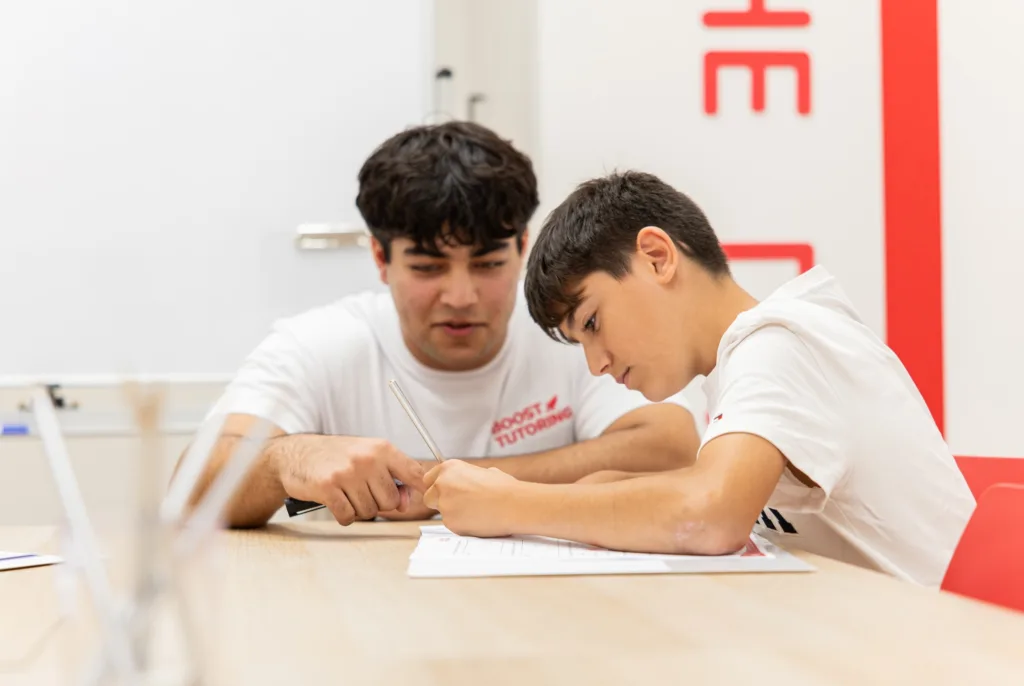
This is part of why Boost English sessions don’t wait until Term 1 of a NAPLAN year to start on writing skills. The weekly structure means students are building paragraphing, sentence control and editing habits consistently, across genres, long before any test date is on the calendar. Reinforced daily through Boost Accelerator, those skills become familiar rather than something revised in a hurry, so when a NAPLAN writing prompt does land, whichever genre it turns out to be, it’s not the first time your child has had to plan and write something under time pressure.
That’s really the aim behind the whole approach: not a burst of test-specific coaching right before NAPLAN, but the kind of steady, ongoing practice that means the test itself doesn’t feel like an unfamiliar format on the day.
If you’d like a clearer picture of where your child’s writing actually sits before the next test date, a free academic assessment is a straightforward place to start.
Book a free academic assessment and see exactly where your child’s foundations sit