If your child is heading toward the OC test, at some point you’ll decide it’s time to “make a study plan.” That’s a sensible instinct, because OC places are scarce and preparation does help. But most study plans for a nine-year-old go wrong in one of two ways: they’re too vague to be useful, or so intense they wear the child out months before the test. Planning OC prep well means threading between those two, and it’s more straightforward than it sounds.
Here’s how to plan OC test prep in Castle Hill in a way that actually works, and that’s good for your child.
Plan Backwards, but Keep It Light
Good planning starts from the test and works backwards, but with one firm rule: this is a nine-year-old, and the plan has to respect that.
The most useful way to think about an OC study plan is as two layers running on different timelines. The first is foundations, strong reading, quick mental maths, and comfort with the kind of reasoning the test uses. This layer is long, runs in the background for a year or more, and barely looks like test prep at all, because it’s really just good learning. It does most of the work.
The second is test-specific preparation, familiarity with the three sections, the question types, and working under time. This layer is short, a few months at most, and sits on top of the foundations near the end.
Planning well means getting the sequence right: foundations first and for a long time, test-specific work briefly and later. Most families get this backwards, starting intense test drilling early and neglecting the foundations that actually matter.
A Sensible OC Study Timeline
Here’s what a calm, realistic plan looks like, working toward a Year 4 test.
Through Year 3, focus entirely on foundations, and don’t even call it OC prep. Reading widely and often. Mental maths until it’s quick. Puzzles, logic games, and problems that get a child used to thinking things through, which quietly builds the reasoning the Thinking Skills section rewards. None of this should feel like a test. It’s just a child building strong habits, and it’s where most of the eventual result is decided.
Into early Year 4, keep the foundations going, and begin a gentle introduction to what the test involves, the three sections, the kinds of questions, so none of it is a surprise later. Light touches, not a program.
In the final three to six months, bring in the targeted work. This is where a structured plan earns its place: practising each of the three sections, Reading, Mathematical Reasoning and Thinking Skills, getting comfortable with the computer-based format, and doing a handful of timed runs so the pacing is familiar. Spread it evenly across the sections, not piled onto maths.
In the final few weeks, ease off rather than ramp up. A couple of light practice runs, a calm conversation about the day, and plenty of rest. A fresh, confident child outperforms a drilled, exhausted one.
How Much, and What to Cover
Two questions trip parents up when planning: how much, and what.
On how much, the answer is little and often. Short, regular sessions, a handful of times a week, beat long weekend marathons, because young children learn in small doses and tire fast under big ones. Fifteen to thirty minutes at a time is plenty at this age. A plan that schedules hours of daily study for a nine-year-old isn’t an ambitious plan; it’s one that will collapse, taking the child’s enthusiasm with it.
On what to cover, balance across all three sections. The common mistake is to plan around maths, because it feels the most measurable, and neglect reading and the unfamiliar Thinking Skills questions. All three count equally, so the plan should too. Thinking Skills in particular deserves attention precisely because schools don’t teach it, so a child won’t simply pick it up elsewhere.
And build in a way to tell if the plan is too much. The signs are clear: a child who’s tired, anxious, or starting to dread the work. If you see them, the plan needs scaling back, not pushing through. A good OC plan is one a child can sustain cheerfully to the end, because the child who arrives calm is the one who does themselves justice.
How We Plan OC Prep at Boost
We run Boost OC for Years 3 and 4, and the planning is built into how it works, so families don’t have to construct it alone.
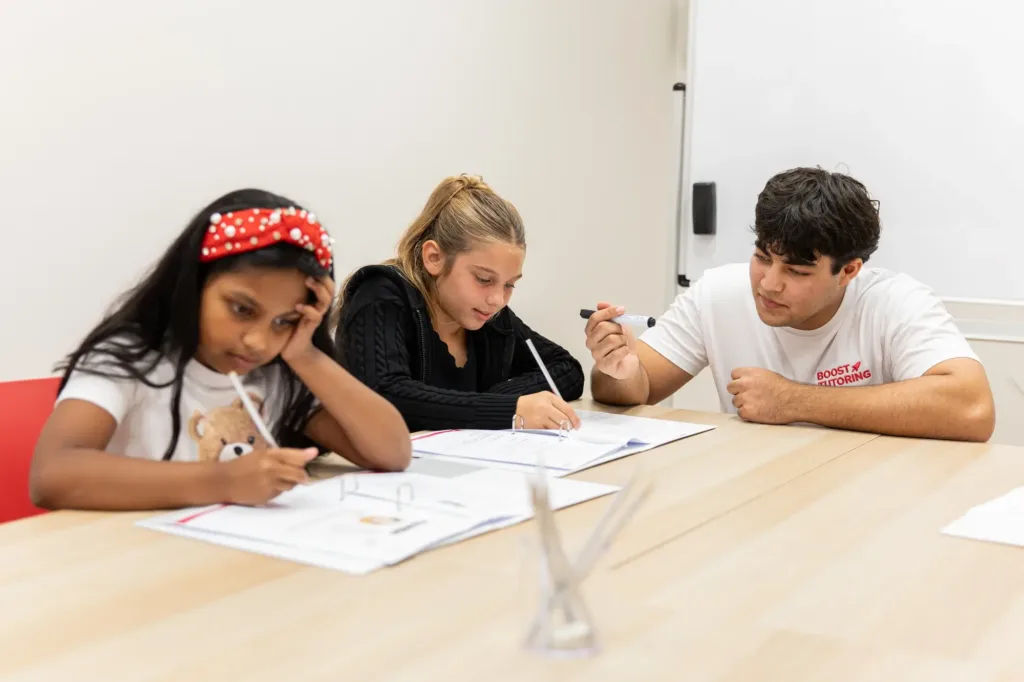
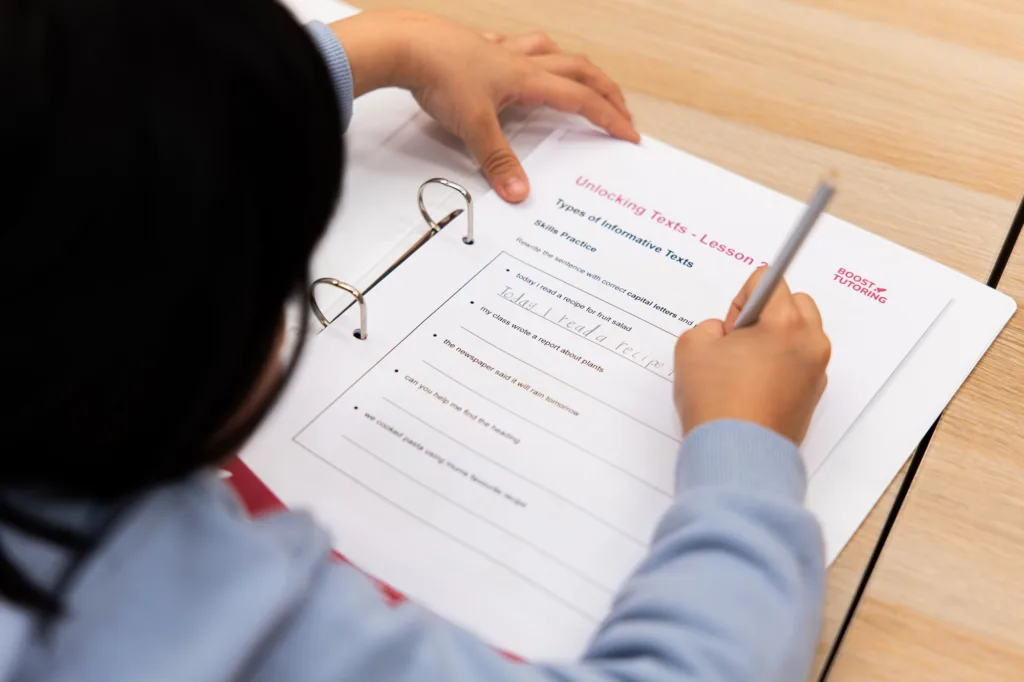
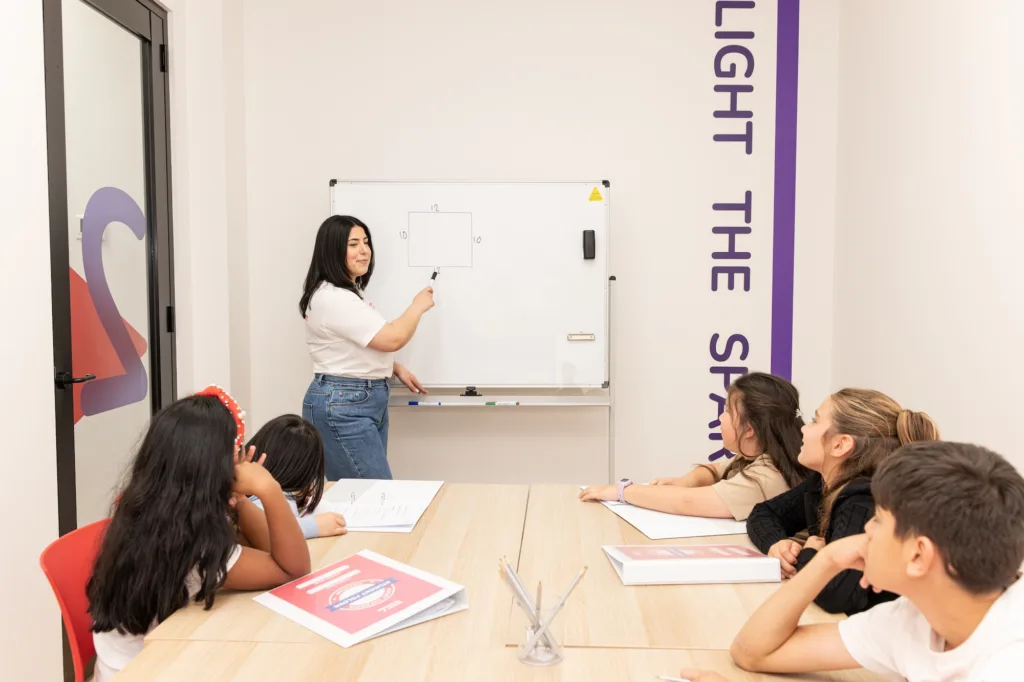
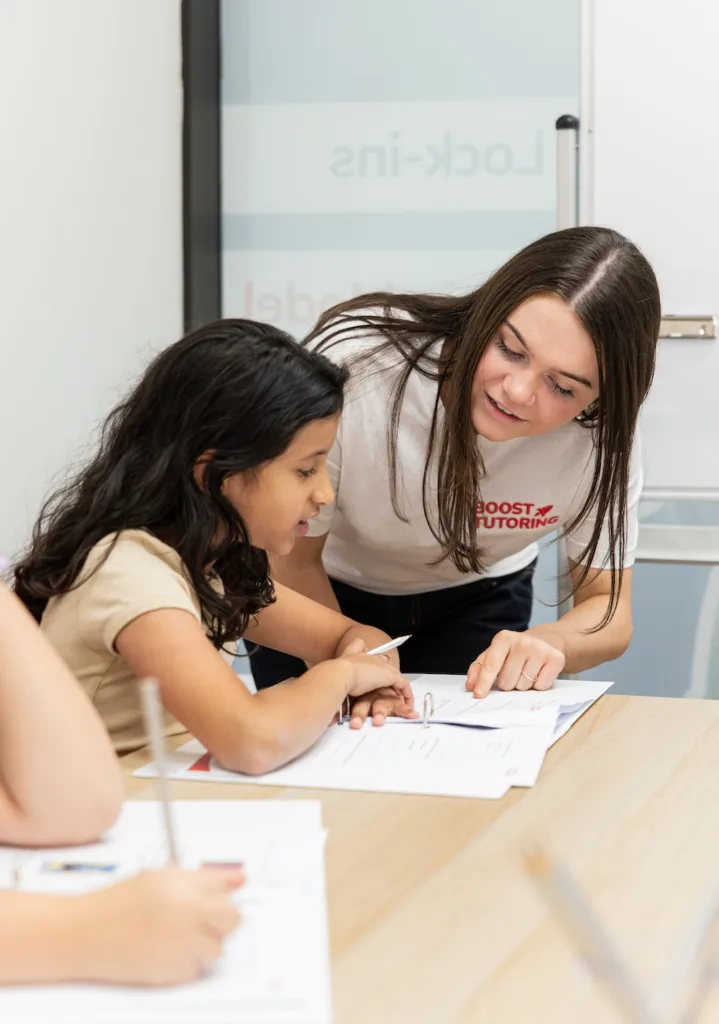
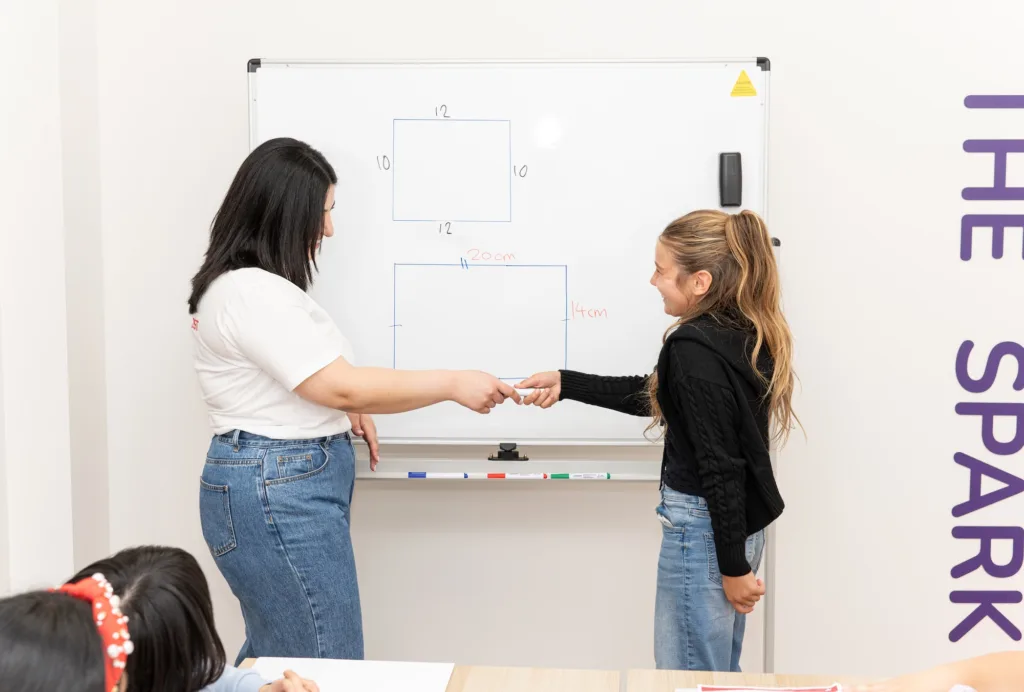
The foundations run year-round through our regular teaching, the reading, reasoning and mental maths the test leans on, built steadily rather than crammed. Closer to the test, we layer in the targeted familiarity with the format and the three sections. Sessions run in small groups of six to eight with the same tutor, aligned to the NSW syllabus, built around Prime, Train, Retain, with short daily practice at home, which is exactly the little-and-often rhythm a young child needs.
Crucially, any plan should start from where your child actually is. A sensible OC plan for a child who’s already strong on foundations looks different from one for a child who needs those firmed up first, and the only way to know which you’ve got is to find out where your child sits.
A good OC study plan isn’t a punishing schedule. It’s the right things in the right order, foundations early and for a long time, targeted practice briefly and later, kept light enough that a nine-year-old can carry it to the end with their confidence intact. Plan it that way and you give your child their best shot. The place to begin is an honest picture of where they’re starting from.
Book a free academic assessment and build an OC plan around where your child actually sits