Few things are more frustrating than watching a capable child come out of an exam having underperformed, not because they didn’t know the material, but because they didn’t finish. “I ran out of time.” “I never got to the last page.” “I spent too long on one question.” The knowledge was there. The marks weren’t, because of how the time was managed, not what the child knew.
Running out of time is one of the most common and most avoidable ways students lose marks, and it’s a skill problem, not a knowledge problem. If your child keeps leaving questions unanswered or racing the clock, here’s why it happens and how to put it right.
Why Capable Students Run Out of Time
It’s worth understanding why this happens, because capable students are often the ones most prone to it.
The biggest culprit is spending too long on hard questions. A conscientious student hits a tough question, refuses to move on until they’ve cracked it, and burns ten minutes they didn’t have, leaving three easier questions at the end untouched. They’ve traded three easy marks for one hard one, which is exactly the wrong trade.
Perfectionism is close behind. A student who wants every answer to be their best work over-writes, polishing a response long past the point where it’s earning marks, while the clock runs down on questions they haven’t reached.
Not reading the paper first is another. A student who dives straight in has no idea what’s coming, so they can’t pace themselves, and the big question worth half the marks ambushes them with five minutes left.
And freezing plays a part. A student who gets stuck and panics can lose minutes to sheer stress, staring at a question while the time drains away.
In every case, the content wasn’t the problem. The management of time was.
The Techniques That Make the Difference
The good news is that finishing on time comes down to a handful of techniques, and a student who’s learned them rarely runs out of time again.
Scan the whole paper first. A minute spent reading through the exam before starting tells a student what’s coming, where the marks are, and roughly how long each part should take. You can’t pace a race when you don’t know its length.
Allocate time by marks. A question worth two marks shouldn’t get the same time as one worth ten. Teaching a student to glance at the marks and spend accordingly is one of the single most effective habits there is.
Move on when stuck. This is the big one. A student has to learn that leaving a hard question and coming back is not giving up, it’s smart. Bank the marks you can get, then return to the tricky ones with whatever time is left. One hard question should never be allowed to sink the whole paper.
Do the easy marks first. There’s no rule that says you answer in order. Working through the questions you’re confident about first banks those marks early and builds momentum, before you spend time on the harder ones.
Match effort to marks. A two-mark question needs a two-mark answer, not a paragraph. Over-writing on small questions is time stolen from bigger ones.
Watch the clock. A quick check at the halfway point, am I on track, tells a student whether to speed up before it’s too late, rather than discovering at the end that they’ve only done half.
And leave time to check. A few minutes at the end to catch careless errors and make sure nothing’s been skipped often rescues more marks than another few minutes of writing would have earned.
Why It Has to Be Practised
Here’s the catch: you can’t learn exam timing by being told about it. A student can nod along to every technique above and still run out of time in the real thing, because under pressure, habits take over, not advice.
Exam timing is a skill, and like any skill it’s built through practice, specifically, practice under realistic timed conditions. A student who’s sat several papers against the clock, felt the pressure, and practised moving on when stuck, has built the instinct to do it automatically on the day. A student who’s only ever done untimed homework hasn’t, however well they understand the theory.
This is why timed practice matters in the lead-up to any exam that counts, and why leaving it until the real thing is a gamble. The time to discover you spend too long on hard questions is in practice, where it costs nothing, not in the exam, where it costs marks.
How We Build Exam Technique at Boost
Exam technique is part of what we work on, because knowing the content and showing it under time are two different things, and plenty of capable students are let down by the second.
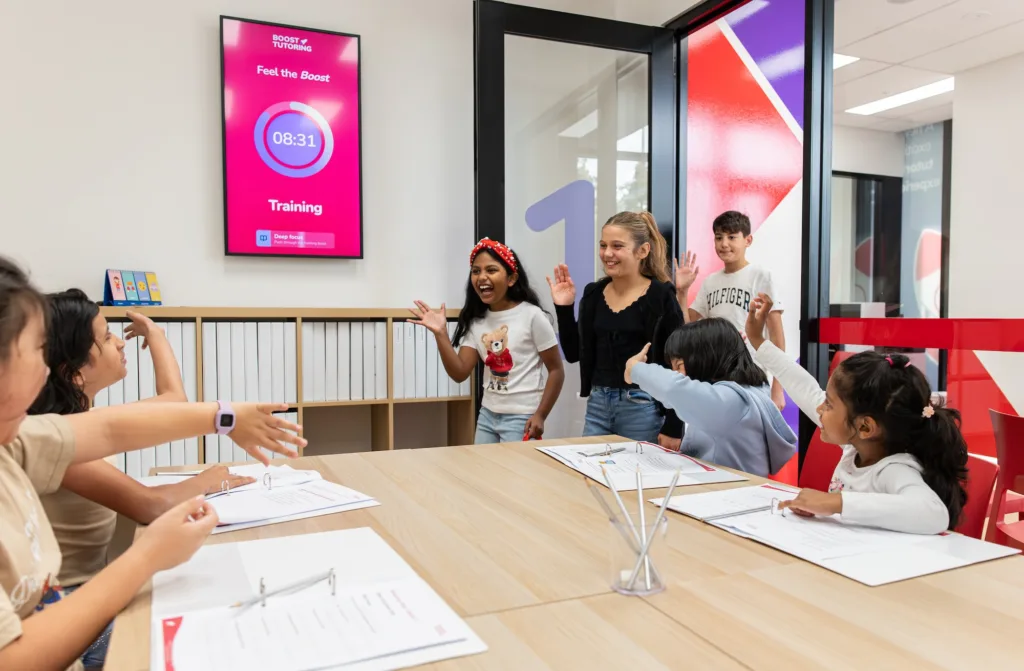
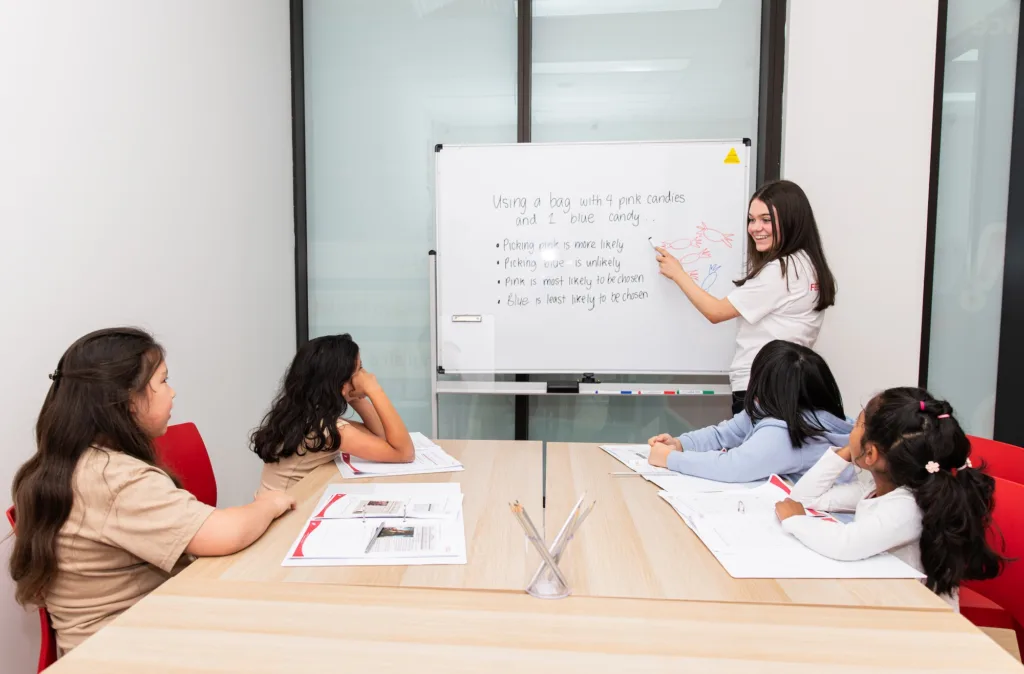
In the lead-up to exams, and the tests that matter like Selective, we build in practice under realistic timed conditions, so students experience the pressure and learn to manage it before the day. The techniques above, scanning first, allocating by marks, moving on when stuck, get taught and then practised until they’re automatic. Sessions run in small groups of six to eight with the same tutor each week, aligned to the NSW syllabus, built around Prime, Train, Retain, with the tutor able to see exactly where a student is losing time and work on it directly.
The aim is a student who walks into an exam knowing not just the material, but how to get it all down in the time they have.
Running out of time isn’t a sign your child doesn’t know the work. It’s usually a sign they haven’t yet learned to manage the clock, which is a separate, teachable skill. Scan first, spend by marks, move on when stuck, and practise it all under time, and the marks your child already deserves start actually showing up on the page. The place to start is a clear picture of where they’re at.
Book a free academic assessment and find out where your child’s marks are slipping