You’ve started tutoring, or you’re thinking about it, and a reasonable question follows: how will I actually know if it’s working? It sounds like it should be obvious, the marks go up, and you’ll see it. But progress is slower and quieter than that, especially at first, and marks are one of the last things to move, not the first. Parents who watch only the marks often conclude nothing’s happening weeks before the results catch up, and some give up right before the payoff.
So here’s how to track your child’s progress properly, in Beaumont Hills or anywhere, including the signs that matter well before a report card does.
Why Marks Move Last
It helps to understand the order in which progress actually appears, because it isn’t the order you’d expect.
When a child starts getting proper support, the first things to change aren’t the grades. They’re underneath the grades: understanding, confidence, effort, attitude. A child begins to grasp something that didn’t make sense, starts attempting work they’d have avoided, stops dreading a subject. All of that is real progress, and all of it comes first.
The marks follow later, once the understanding has had time to show up in tests, once the gaps that were dragging things down have been closed. There’s a lag, sometimes a term or more, between a child genuinely improving and the report card reflecting it. If you only watch the marks, you’ll miss the early progress entirely and may lose faith just as the foundations are being laid.
This is the single most useful thing to understand about tracking progress: the leading indicators are not the marks. They’re quieter, and they come first.
The Signs That Come First
So what should you actually watch? A few things tell you progress is underway well before any result does.
Confidence is the clearest. A child who starts saying “I think I get it now,” or who stops describing themselves as bad at a subject, is telling you something real. Confidence shifts early, and it’s both a sign of progress and a cause of more.
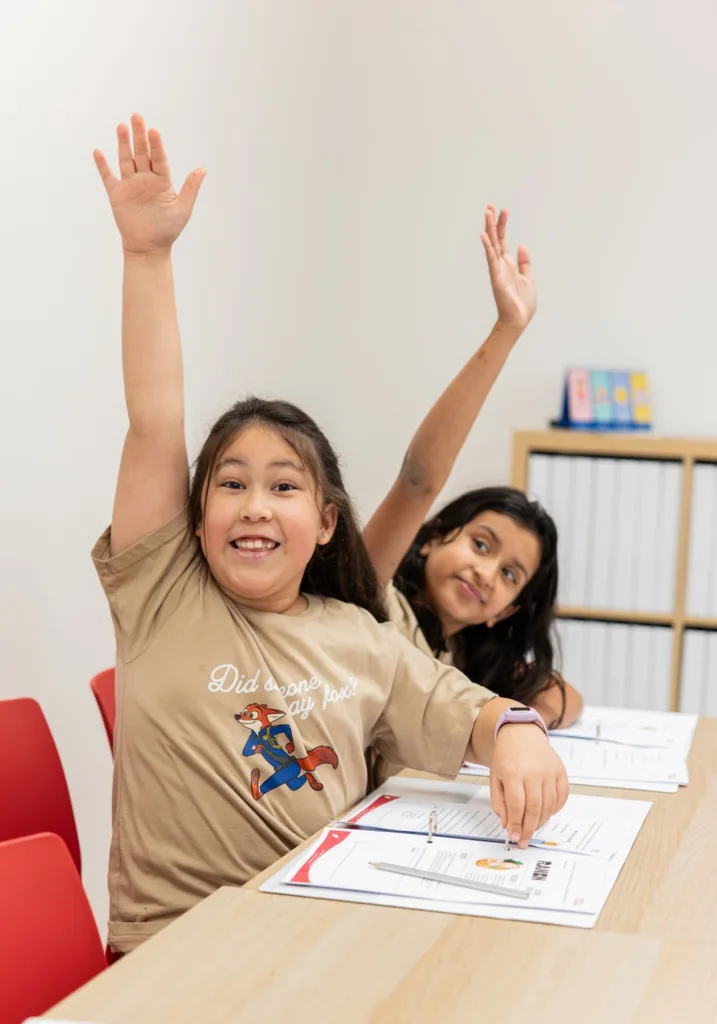
Willingness is the next. Watch whether your child attempts harder work rather than avoiding it, whether homework starts with less resistance, whether they’ll have a go at a question they’d previously have given up on. A child who’s engaging more is a child who’s improving, even if the marks haven’t caught up.
Understanding, which you can hear if you listen. Ask your child to explain something they’ve learned. A child who can walk you through it, however clumsily, understands it, and that understanding is the thing marks eventually measure. A child who’s moved from “I just copy what the teacher does” to being able to explain the why has made real progress.
And the small things at home. Less homework conflict. More talk about school. A child who mentions their tutor, or repeats something they learned. These are easy to dismiss, but they’re genuine signals that something is shifting.
How to Track It Without Obsessing
Watching progress is useful. Hovering over it isn’t, and it can make a child anxious, which slows the very progress you’re trying to see. The aim is to notice, not to audit.
Take the long view. Progress isn’t linear, and week to week it can look like nothing much. Judge it over a term, not a fortnight, and compare where your child is now to where they were at the start, not to last Tuesday.
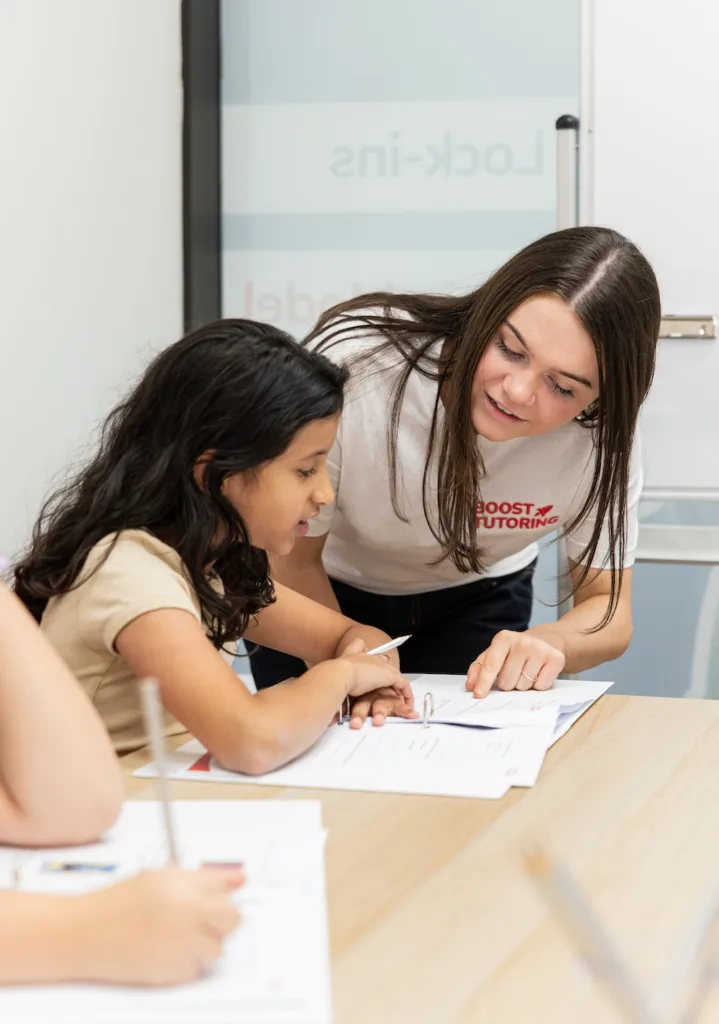
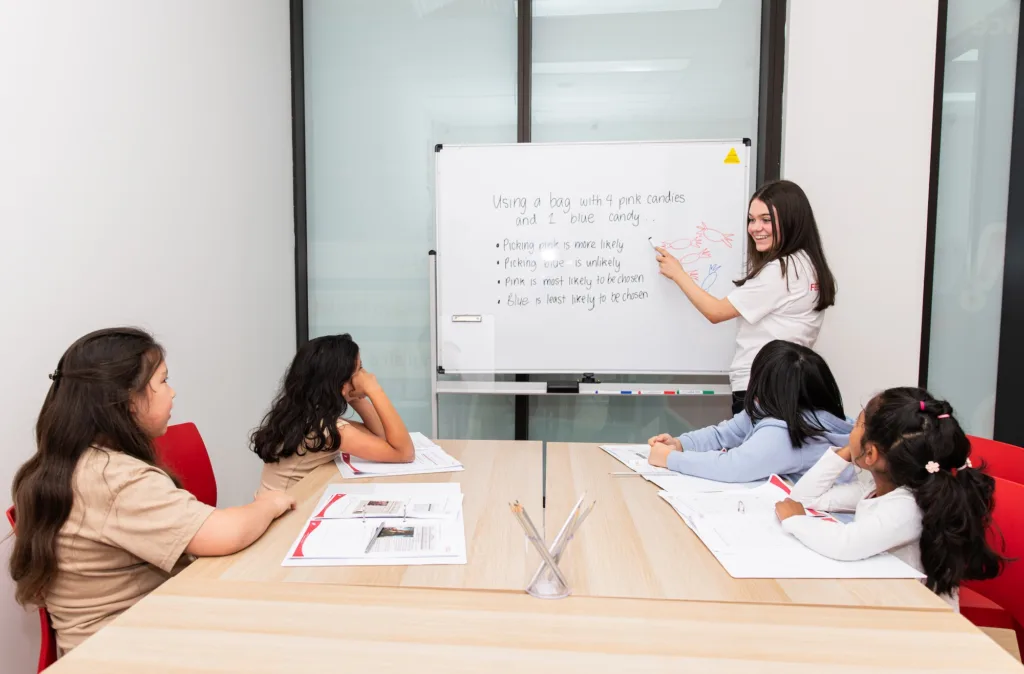
Rely on the people who see the work. A good tutor can tell you specifically what’s improving, what they’re working on, and where your child still needs time, often long before a school report can. That kind of regular, specific feedback is far more useful for tracking progress than waiting months for a grade.
And keep your own quiet record. Not a spreadsheet, just an awareness of how your child was a term ago, so you can actually see the change. Progress is often invisible day to day and obvious in hindsight, and a rough sense of the starting point is what lets you see it.
Resist the urge to test them constantly to check. Frequent “let me see if you’ve improved” quizzing adds pressure and rarely tells you much. Trust the quieter signals instead.
How We Track Progress at Boost
We’ve built regular feedback into how Boost works, precisely because progress is hard to see from the outside and easy to doubt.
It starts with knowing the starting point. Every child begins with an assessment that works out exactly where they sit, which gives you a clear baseline to measure against later, rather than a vague sense of “better” or “worse.” You can’t track progress without knowing where you began.
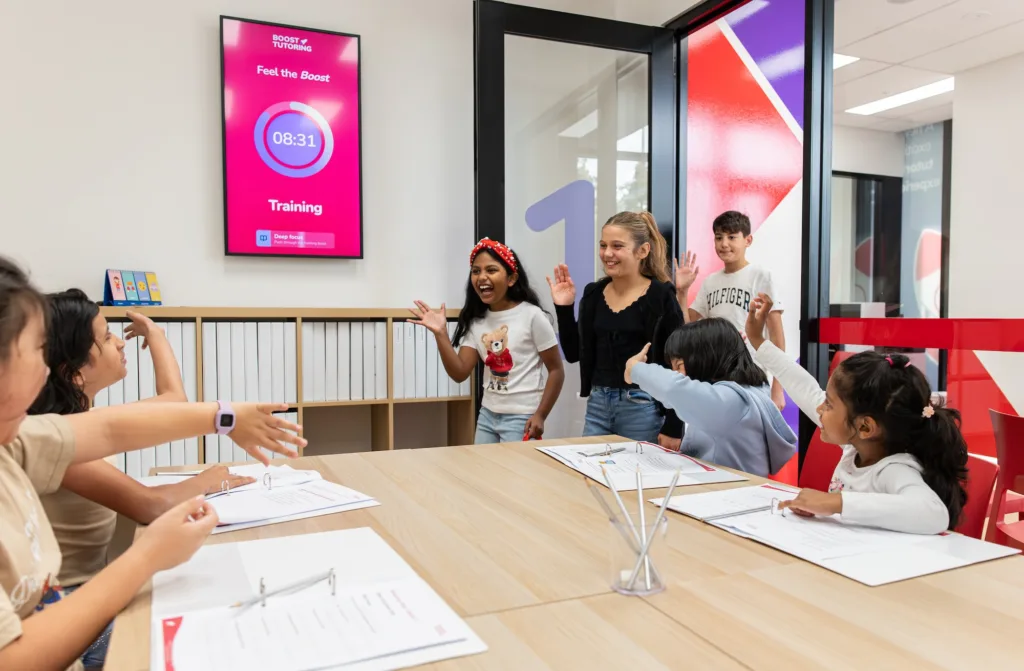
From there, the same tutor each week means someone who knows your child, notices the shifts as they happen, and can tell you specifically what’s improving rather than offering a general “they’re doing well.” And through Boost Accelerator, the daily home practice, you get regular feedback by email on how your child is going, so you’re not waiting on a termly report to find out. Sessions run in small groups of six to eight, aligned to the NSW syllabus, built around Prime, Train, Retain.
The point is that you shouldn’t have to guess whether it’s working, or wait months to find out. You should be able to see the progress as it builds, starting with the quiet signs and, in time, the marks that follow.
Tracking your child’s progress well means watching the right things, in the right order. Confidence, willingness and understanding move first; the marks move last. Judge it over terms rather than weeks, lean on the people who see the work, and you’ll see the progress that’s actually there, long before a report card confirms it. The place to start is a clear picture of where your child is today.
Book a free academic assessment to set a clear baseline, so you can see the progress from here