It’s Tuesday night and your Year 5 daughter is halfway through her fourth practice paper of the week. She’s tired. You’re tired. The kitchen table has become a small battlefield of pencils and timers. And you still don’t actually know the answer to the question that’s been sitting at the back of your mind for weeks: is this enough? Is it too much? Is any of it actually working?
“How much NAPLAN practice is enough” is one of the most common questions Hills parents ask us this time of year, and it’s rarely really about the number of papers. It’s about not knowing where the line is between preparing your child properly and putting them through something that does more harm than good. There is a sensible answer, and it’s smaller and calmer than most families expect.
What NAPLAN Practice Papers Actually Test
A practice paper tells you two things: whether your child knows the content, and whether they can work under exam conditions. Most families over-focus on the second and under-focus on the first. Sitting paper after paper trains a child to sit papers. It doesn’t teach place value, it doesn’t teach how to structure a persuasive paragraph, and it doesn’t fix a shaky understanding of fractions. If the underlying skill isn’t there, repeating the test format just repeats the same mistakes in a slightly different order.
This matters because it changes what “practice” should mean. The goal isn’t volume. It’s making sure your child can do the maths and the reading and the writing, and then, closer to test time, making sure they know how that shows up in NAPLAN’s particular format. Those are two different jobs, and only one of them needs repetition.
It also explains why two children who sit the same number of practice papers can come away with very different results. One child spent that time reinforcing a genuine gap in fractions or inference. The other spent it re-doing questions they already knew how to answer, because the paper happened to be the thing in front of them. Same hours, very different return.
The Right Amount Looks Smaller Than You Think
For most primary-aged children, twenty to thirty minutes of focused, well-chosen practice a few times a week does more than an hour-long paper every night. A short, specific session — ten maths problems targeting one skill, one comprehension passage, one paragraph of writing — keeps the content fresh without draining the child’s tolerance for the subject altogether. Full practice papers under timed conditions have a place, but that place is occasional: perhaps once every week or two in the lead-up to the test, not as the daily default.
The families who see the calmest, steadiest results tend to treat practice like a habit rather than an event. A little, consistently, beats a lot, occasionally — and it beats a lot, constantly, by an even wider margin, because constant heavy practice usually stops producing gains long before parents notice it’s stopped working.
Signs You’re Doing Too Much
There are a few reliable signals that practice has tipped past useful. Your child starts resisting sessions that used to be routine. Careless mistakes increase rather than decrease, because a tired brain makes more of them, not fewer. Test time becomes a source of dread rather than a normal part of the week. And practice paper scores plateau or dip slightly, even though your child is doing more of them — a sign of fatigue, not ability.
If any of that sounds familiar, the fix usually isn’t more effort. It’s less volume and more targeting: cutting sessions back and using the time that’s freed up to rest, or to work on whichever specific skill is actually weak.
Signs You’re Doing Too Little
The opposite problem is real too, and it’s usually quieter. It looks like a child who hasn’t seen a NAPLAN-style question until a week or two before the test, so the format itself — the online interface, the time pressure, the unfamiliar question wording — becomes the main obstacle, separate from whether they actually know the content. It looks like a family who assumes school preparation alone will cover it, when in practice, classroom time for NAPLAN-specific format familiarity is often limited.
The middle ground is straightforward: steady, modest skill practice across the term, with a short block of format-specific practice — a handful of timed papers — in the final few weeks before the test. That short block matters more than it sounds like it should. A capable child who has never navigated the online test screen, the countdown timer, or the way NAPLAN phrases its questions can lose marks to unfamiliarity alone, not to any real gap in knowledge.
Practice That Builds Skill, Not Just Familiarity
The most useful kind of practice is diagnostic before it’s repetitive. Use an early practice paper to find out exactly where the gaps are — is it inference in reading, is it fractions, is it planning a persuasive text before writing it — and then spend most of the available time on those specific gaps, not on cycling through generic papers hoping something sticks. A tighter, more targeted plan almost always beats a bigger, vaguer one, and it takes less of your evenings to run.
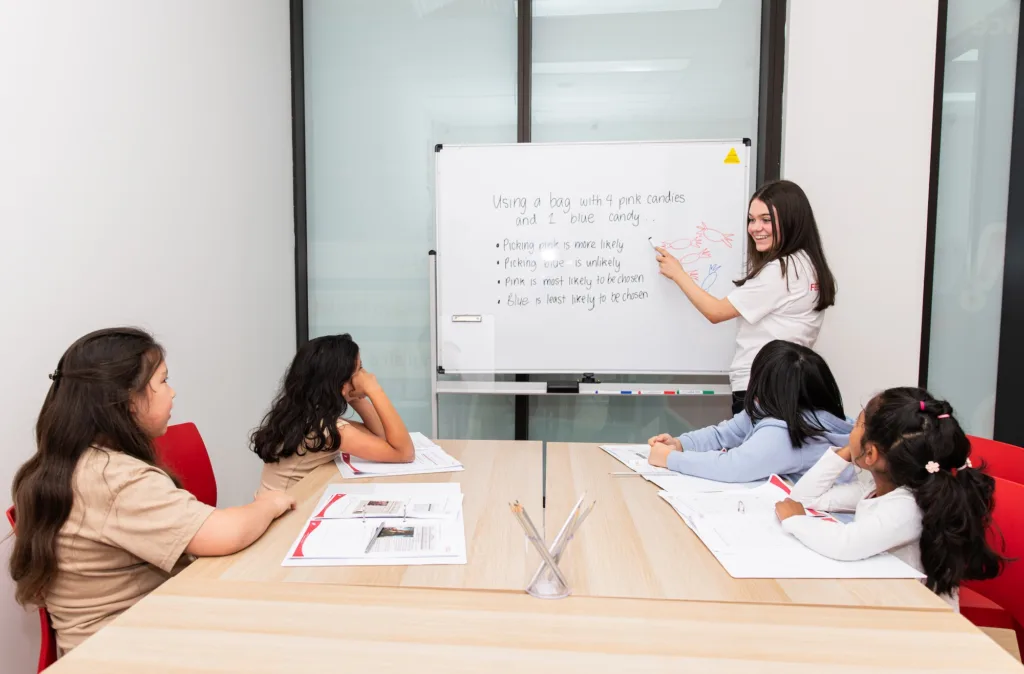
This is exactly the thinking behind how we structure practice at Boost. Every session opens with five minutes of focused skills work before the main content — short, specific, repeated often enough to actually build the habit, rather than one long cram session that exhausts a child and fades within a fortnight. Consistency in small doses is what turns a skill from something a child can do on a good day into something they can rely on under test conditions.
Getting the Balance Right
If you take one thing from this: NAPLAN doesn’t reward the family who practises the most. It rewards the child who understands the content and has had a fair, calm amount of exposure to how it’s tested. If practice has started to feel like a fight most nights, that’s information, not a sign to push harder. And if your child has barely seen a practice question, a modest, steady plan started now will do more than a heavy one crammed in later.
If you’re not sure where your child’s gaps actually are, that’s the easiest place to start.
Book a free academic assessment and see exactly where your child’s foundations sit