From the outside, tutoring centres are oddly hard to tell apart. They all have bright signage, confident websites, and a page of glowing reviews. They all promise results, qualified tutors and a personalised approach. Stand in front of two or three of them in Beaumont Hills and you’d struggle to say what actually separates one from the next.
The good news is that the differences are real. They’re just not the ones the marketing puts in front of you. Choosing a tutoring centre in Beaumont Hills comes down to knowing what to ignore, what to look for, and what to watch once you’re actually in the room. Here’s how to do all three.
The Wrong Reasons to Choose
Most parents, understandably, lean on the easiest signals. The trouble is that the easiest signals are often the least reliable.
Price is the first trap, and it misleads in both directions. The cheapest option usually is cheap for a reason, often very large classes. But a high price doesn’t guarantee quality either. It can just mean a high rent or a good marketing budget. Cost tells you almost nothing about the teaching.
Convenience is the second. The centre closest to home, or the one with the handiest time slot, is tempting for a busy family. But proximity is worth very little if the teaching is weak. A slightly longer drive to a centre that actually works is the better deal every time.
The biggest name is the third. A familiar brand feels safe, but with any franchise the quality lives in the individual location and the people in it, not the logo on the door. The name tells you how good their marketing is, not how good your child’s tutor will be.
And the loudest results claims are the fourth. Centres love to advertise their star students and their selective school numbers. What they don’t show is how many children they enrolled to produce those few, or what kind of student walked in to begin with. Impressive-sounding results are the easiest thing in this industry to cherry-pick.
None of these signals are useless. They’re just a poor place to start.
What to Actually Base the Decision On
Strip away the noise and the question is simpler than it looks: will this centre actually teach my child, and will my child actually be seen?
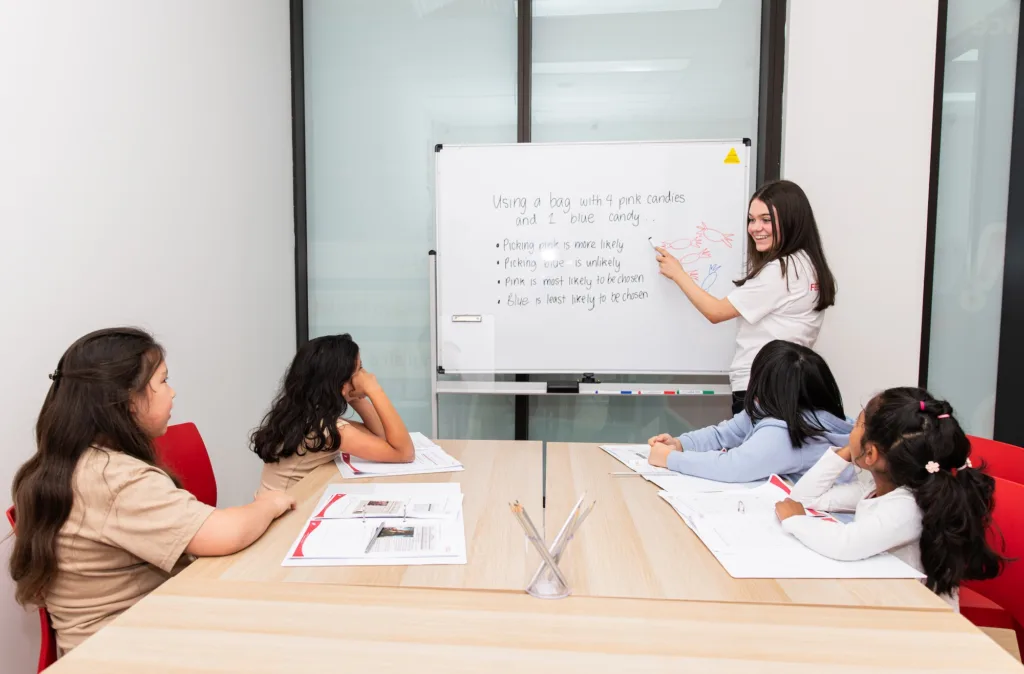
That second part is where class size matters, not as a number to tick off, but because attention is the whole point of tutoring. A centre where one tutor is responsible for fifteen or twenty children can’t offer your child much more than the school they’re trying to supplement.
The first part, real teaching, is about whether there’s a method or just supervision. A good centre can tell you clearly how a session runs, how they work out what your child needs, and what happens between sessions. A centre that can only offer warm, vague reassurance is usually running warm, vague sessions.
And underneath both sits fit. The best centre in the area still isn’t the right one if it doesn’t suit your particular child, their age, their temperament, and what they actually need right now. Choosing well is about matching, not just ranking.
Red Flags, and What a Good Visit Looks Like
Most centres will let you visit or trial before committing, and you should always take that up. A website can be polished by anyone. A real session can’t be faked. Here’s what to pay attention to once you’re there.
A few clear red flags. A centre that wants to enrol your child without first working out where they sit is guessing, and you’re the one paying for the guess. Pressure to lock into a long, paid-up-front contract before you’ve seen anything is a sign they’re focused on the sale rather than the teaching. Tutors who change constantly mean your child starts over with a stranger every few weeks. And be wary of anyone guaranteeing a specific outcome, a band, a mark, a selective place. Good tutoring improves children. It doesn’t promise results no one can actually control.
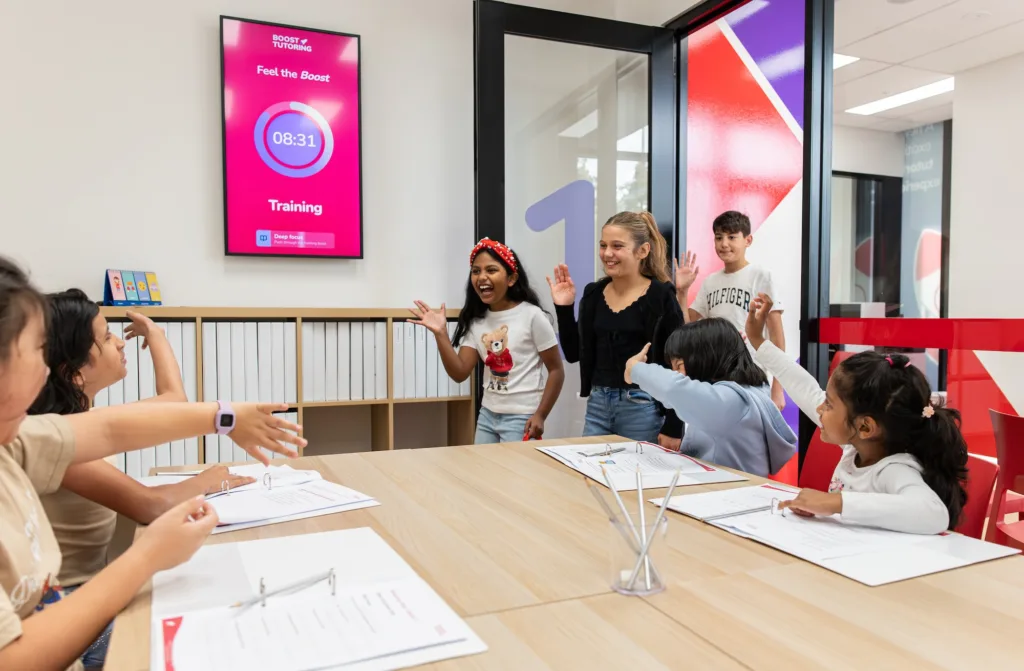
Now the green flags. In a good session, the tutor knows the children by name and moves between them. The room has a bit of energy without tipping into chaos. The children are working, not just being supervised, and the tutor notices the quiet one who’s gone still rather than only helping the loud one with their hand up. Ask how they’d assess your child and how they’d report progress back to you. At a strong centre the answers come quickly and specifically. At a weak one they come slowly and vaguely.
Trust what you see in the room over what you read on the site. Your own eyes are the most reliable tool you have here.
Choosing a Tutoring Centre in Beaumont Hills: How We Think About It
We’d want you to judge Boost on exactly the things above, not on our website. So here’s the short version of what you’d find.
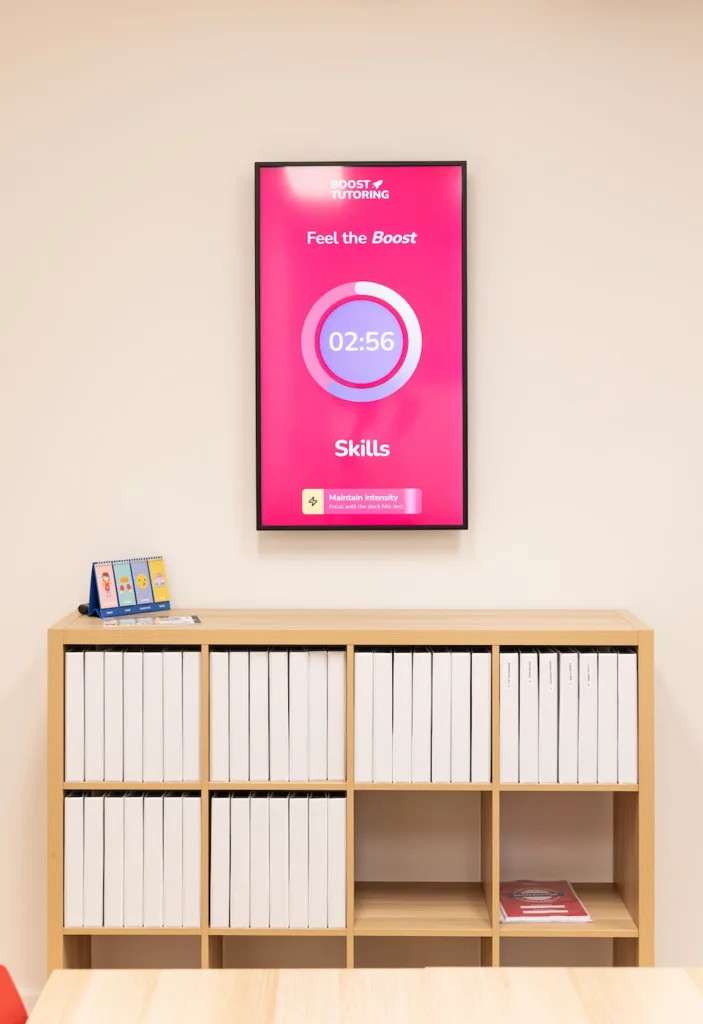
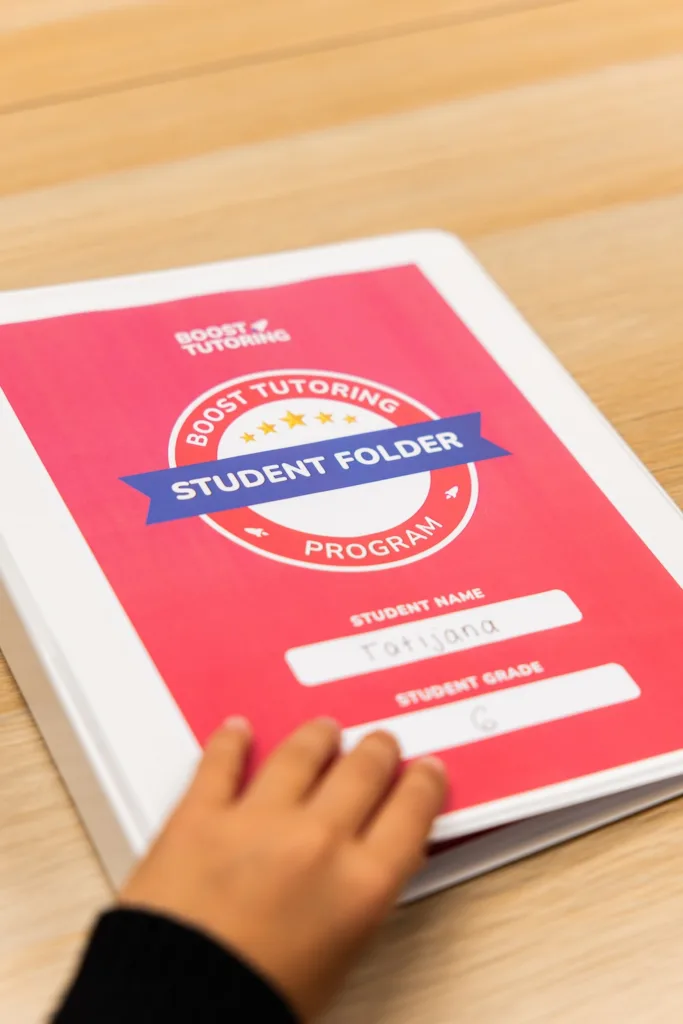
We don’t enrol a child without first working out where they actually sit. Classes are small, six to eight students with the same tutor each week, so your child is known rather than processed. There’s a clear method behind every session, Prime, Train, Retain: a few minutes of skills work, real teaching aligned to the NSW syllabus, then the student repping the content themselves until it holds. It carries on at home through a short daily worksheet, and you hear how your child is going. And it runs as a weekly membership with no large lock-in, because we’d rather earn each week than trap you in a contract.
But you shouldn’t take our word for any of that, and that’s rather the point. Come and watch a session, and judge it against everything you’ve just read.
The best way to choose a tutoring centre isn’t to compare websites. It’s to see one in action and watch where your child sits in it.
Book a free academic assessment and see where your child really sits.