The NAPLAN reminder lands in the school newsletter sometime in term one, and you can almost feel the temperature in Beaumont Hills go up. The practice books come out. The group chats start. A test that’s meant to be a routine check-in somehow turns into the thing everyone’s quietly competing over.
If that sounds familiar, this is for you. NAPLAN preparation in Beaumont Hills has a habit of becoming far more stressful than it needs to be, mostly because of a few misunderstandings about what the test is and what actually moves a result. Here’s a calmer, more useful way to think about it.
What NAPLAN actually measures
NAPLAN runs in Years 3, 5, 7 and 9, and it’s now held in March. It tests four things: reading, writing, language conventions (spelling, grammar and punctuation), and numeracy. That’s the whole list.
It’s not a pass-or-fail exam. It’s not an entry test for a selective or private school, and for the vast majority of students it doesn’t decide anything about their future. It’s a snapshot. A way of seeing where your child sits against national standards, and where any gaps might be.
That distinction matters, because it changes how you prepare. You can cram for an entry exam. You can’t really cram for a snapshot of accumulated skills. A child’s reading age, their mental maths fluency, their ability to structure a piece of writing are built over years, not weeks. That’s actually good news, because it means the most effective preparation is also the least stressful.
Why over-preparing backfires
The instinct in a high-achieving area is to do more. More practice papers, more drilling, more pressure. Past a certain point, that works against you.
Anxiety is the single biggest thing that drags down a capable child’s result. A student who panics in the writing task, or freezes on a worded numeracy question they’d normally handle, will score below their real ability. When NAPLAN gets built up into a high-stakes event at home, you’re not lifting the score. You’re lifting the nerves.
There’s a simpler problem too. Endless practice tests teach a child to dread the test, not to do better at it. A child who can’t yet structure a persuasive paragraph won’t learn how by sitting ten more papers. They’ll just collect ten more reminders that they find it hard.
What actually helps?
Three things make a real difference, and none of them involve a tower of workbooks.
First, familiarity. A child performs better when the format isn’t a surprise. Knowing the question types, the timing, and what the writing task is asking for takes the fear out of the room. A few practice runs do this. You don’t need fifty, and the law of diminishing returns kicks in fast.
Second, steady fundamentals. This is the real work, and it happens across the year, not the fortnight before. Reading regularly. Mental maths until it’s quick and automatic. Writing often enough that planning a piece feels normal rather than novel. These are the exact things NAPLAN measures, and they’re built quietly over time, which is why the best preparation rarely looks like preparation at all.
Third, be calm. The way you talk about NAPLAN at home matters more than you’d expect. Treat it as a normal part of the school year, something the school does to check progress, and your child will walk in steadier. Steadier kids do better. It really is that simple.
A couple of specifics are worth knowing. For the writing task, structure is what’s rewarded. A child who can open, build and close a persuasive or narrative piece will outscore a child with better ideas but no plan. For numeracy, the trap is rarely the maths itself. It’s reading the question properly. Worded problems catch out plenty of kids who can do the calculation but rush the comprehension, so slowing down and reading twice is often worth more than any extra drilling.
As for timing, there’s no need to start early in a panic. If the fundamentals are being built across the year, a few weeks of light format familiarity in term one is plenty. The families who start cramming in the summer holidays usually create more stress than score.
How we approach NAPLAN preparation at Boost in Beaumont Hills
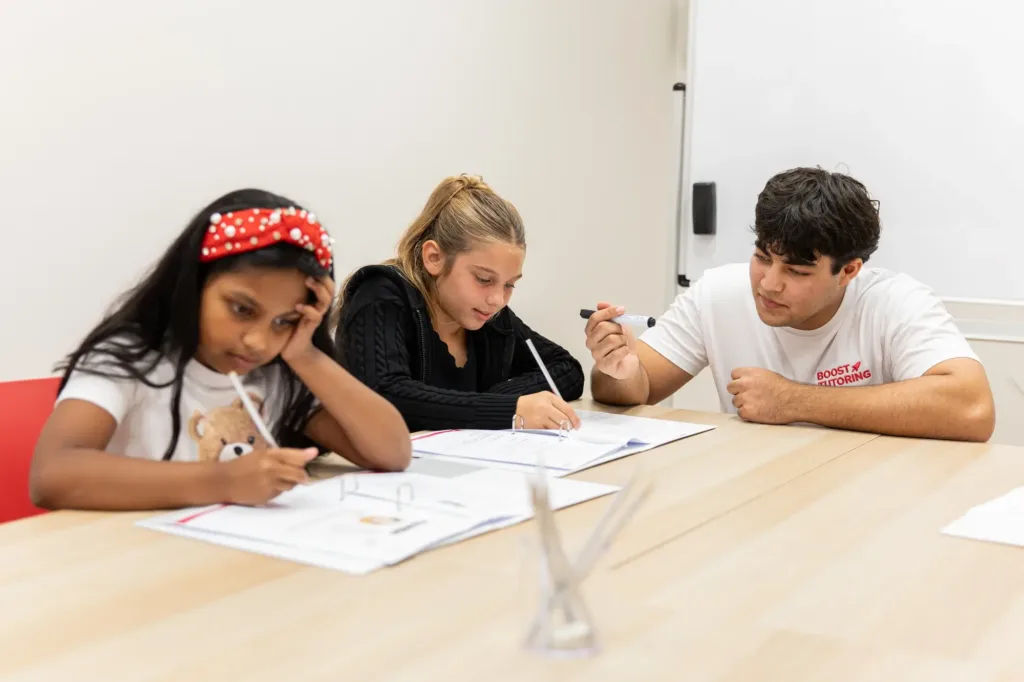
We run NAPLAN preparation for Years 3, 5, 7 and 9, and we run it the way we think it should be run. Not as a term of panic, but as steady, curriculum-aligned work with some targeted format familiarity layered on closer to the test.
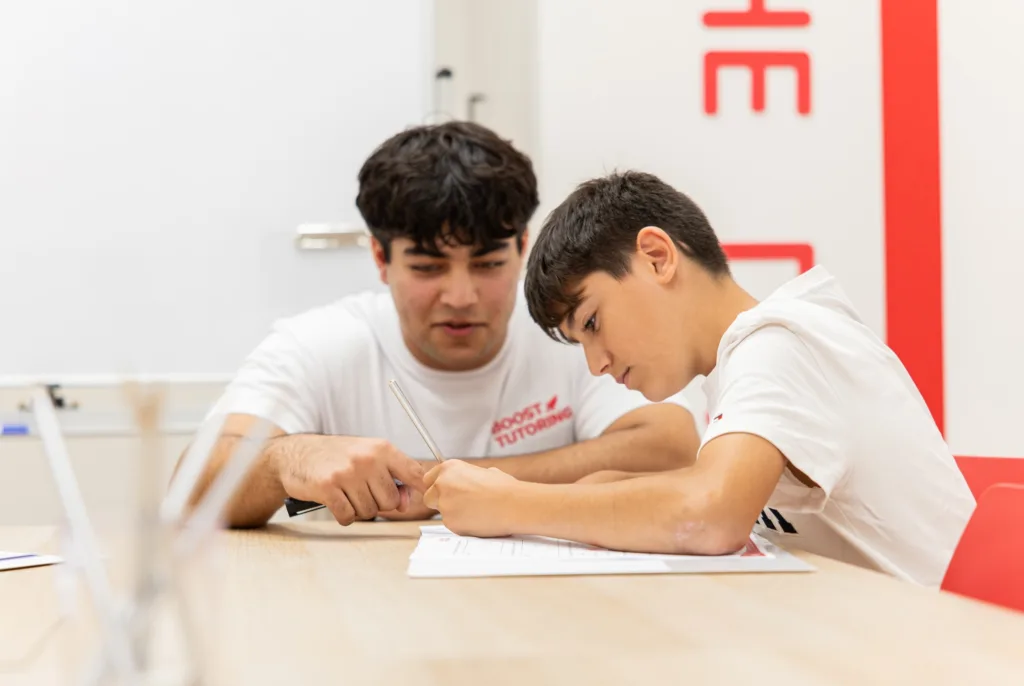
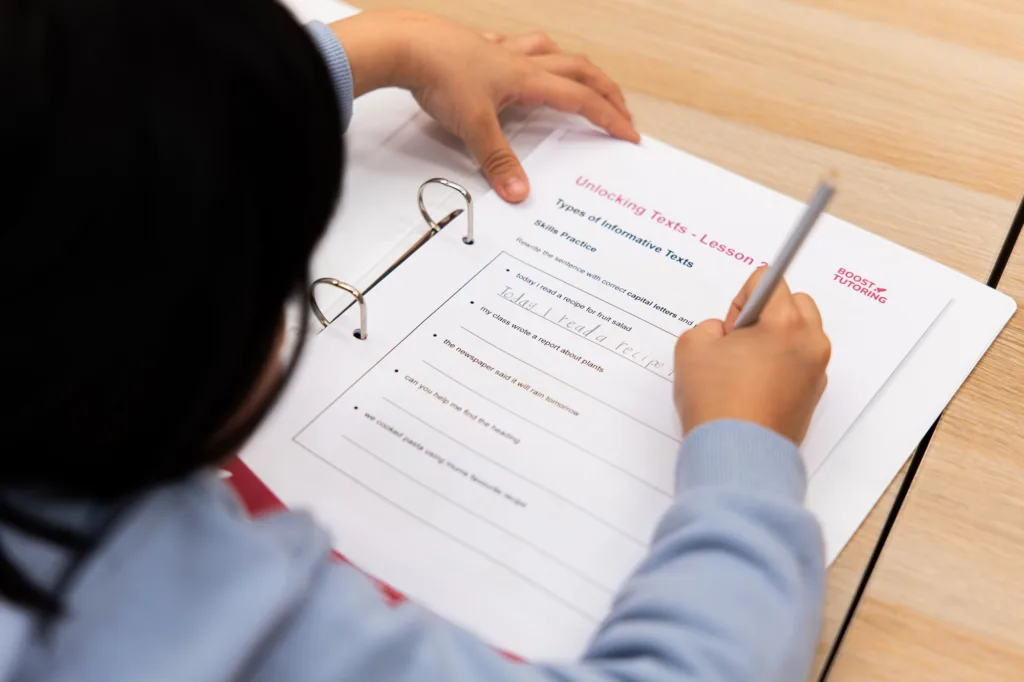
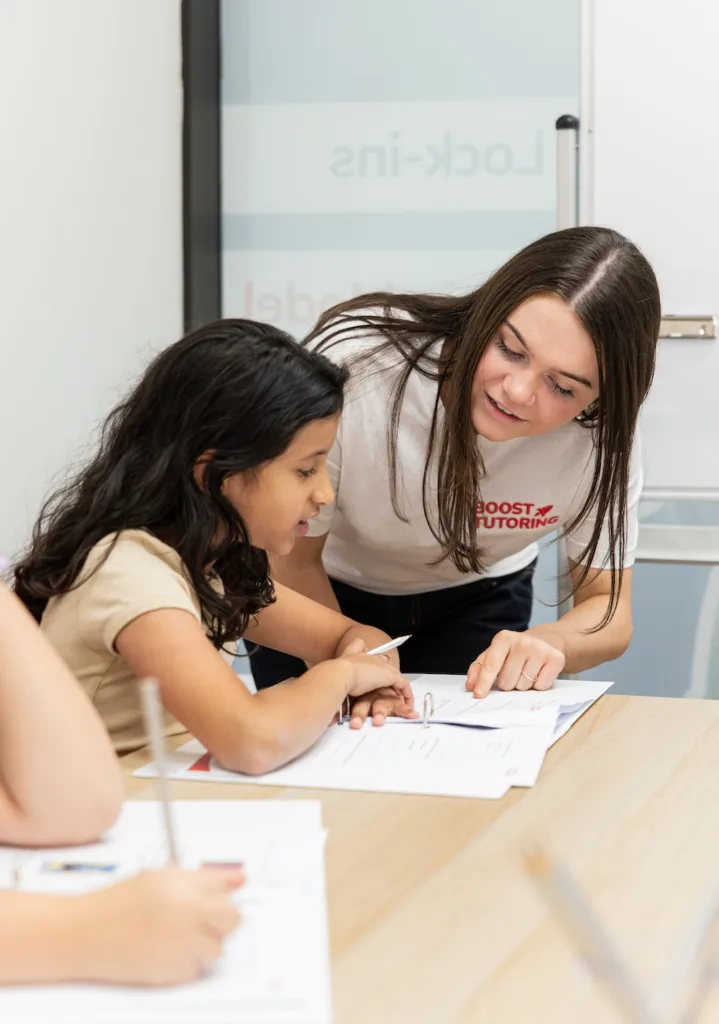
Most of the readiness is built well before NAPLAN is even on the radar. Every Boost session opens with five minutes of skills work, the mental maths, vocabulary and comprehension that NAPLAN quietly leans on. The teaching that follows is aligned to the NSW syllabus, so your child is covering the right material at the right level. And it carries on at home through a short daily worksheet, because fluency comes from reps, not from a last-minute scramble.
By the time NAPLAN week arrives, the work is already done. What’s left is a few practice runs so the format feels familiar, and a calm conversation about what the day actually involves.
The best NAPLAN preparation doesn’t look like NAPLAN preparation at all. It looks like a child who reads, who’s quick with numbers, and who isn’t frightened of a test. That’s built one ordinary day at a time.
Try Boost today by booking a free academic assessment for your child.