Your child finishes a novel a week. They ask for books above their reading age at the library and can tell you the plot of whatever they’re reading in detail. Reading has never been the subject you worry about. Then the Selective practice test results come back, and reading is where the marks are lowest. This is the disconnect at the heart of Selective reading practice: a fluent, enthusiastic reader can still come back with an average result, because the test is built to check something narrower than “enjoys books and understands the story.”
Being a strong reader at school usually means reading fluently, following the plot, and finishing books happily. The Selective reading section tests something more specific: how accurately and how quickly a child can pull meaning out of an unfamiliar text under time pressure, across text types they’d rarely choose for pleasure reading. Those two things are related, but they’re not the same skill. Preparing properly starts with understanding the gap between them, and it applies whether your child is coming at this from Castle Hill, Beaumont Hills, or anywhere else in the Hills District.
What the Selective Reading Section Actually Tests
The reading component sits alongside thinking skills, mathematical reasoning and writing as one of the test’s core sections. In its current format it runs to roughly 45 minutes across around 30 multiple-choice questions, spread over six to eight passages of different lengths and genres. That’s a demanding pace, closer to ninety seconds per question once you include reading time, which is exactly why familiarity with the question types matters as much as raw reading ability.
The passages themselves are deliberately varied: informational pieces on science or history, literary extracts with narrative and character, persuasive writing such as speeches or opinion pieces, functional texts like instructions or schedules, and the occasional poem built on figurative language. The questions built around them go well beyond “what happened next.” They ask a child to infer what a character is feeling without being told directly, work out why an author chose a particular structure or word, compare the tone or argument of two passages, or find the meaning of a word from its context rather than its dictionary definition. A child can answer every literal comprehension question correctly and still lose marks on the inference and comparison questions sitting right next to them.
Why Being a Strong Reader Isn’t Enough
A child who reads for pleasure is usually reading books they’ve chosen, at a pace that suits them, for a story they want to follow. None of that describes the Selective reading test. The text is unfamiliar. The genre might be one they’ve never sought out, such as a persuasive speech, a historical account, or a set of instructions. The clock is running the whole time, and there’s no going back to reread a chapter purely for enjoyment.
This is why some genuinely capable readers get a middling result. They’ve built strong comprehension of narrative fiction because that’s mostly what they read, but they’ve had far less practice with dense non-fiction, poetry, or persuasive argument. They’ve also rarely had to answer questions about why a writer made a choice, only what a character did next. Inference, author’s purpose and comparison between texts are taught in the English curriculum, but a child needs deliberate, repeated practice with them specifically, not just wide reading, to get quick and confident under time pressure. Volume of reading builds vocabulary and stamina. It doesn’t automatically build the skill of interrogating a text on demand.
How to Actually Practise Selective Reading
The good news is that this is trainable, and it doesn’t require abandoning the reading your child already enjoys. A few things matter more than others.
- Read across genres, not just novels. Mix in short non-fiction articles, opinion pieces, and the odd poem, and talk about what makes each one different to read and to answer questions on.
- Ask why, not just what. After a passage, ask why the author used a particular word, or how the writer wants the reader to feel, rather than only checking they followed the plot.
- Practise under light time pressure, sparingly. Occasional timed passages build pace and stamina, but doing this constantly turns reading into a chore and can knock a confident reader’s motivation. A little goes further than a lot, and it should sit alongside enjoyable reading, not replace it.
- Review wrong answers together, properly. The value in a practice paper isn’t the score, it’s working out why a wrong answer looked right, which is usually where the real skill gap sits. A child who can explain why the other three options were wrong has learned far more than one who is simply told the correct letter.
Why Regular Reps Beat Marathon Practice Sessions
Most families default to Selective preparation in big blocks: a weekend of practice papers, a school holiday of drills. It feels productive, but inference and comprehension speed are skills that build through consistent repetition, not intensity. A child who spends fifteen focused minutes on a new text type most days for months develops a different kind of fluency than one who does three-hour sessions once a fortnight and then puts the papers away until the next one.
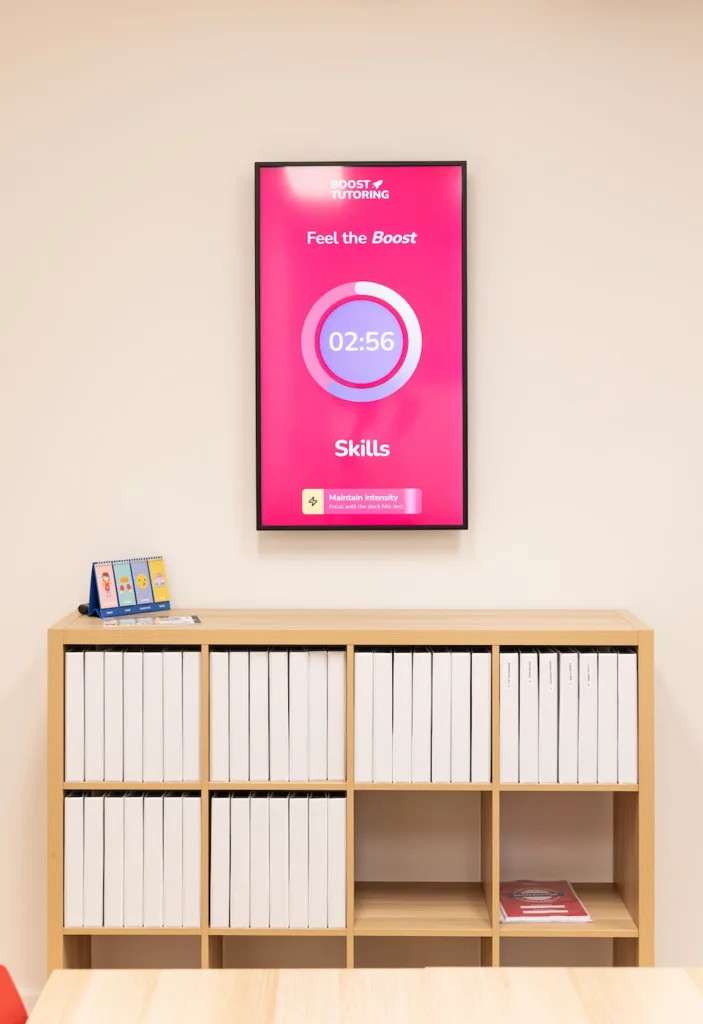
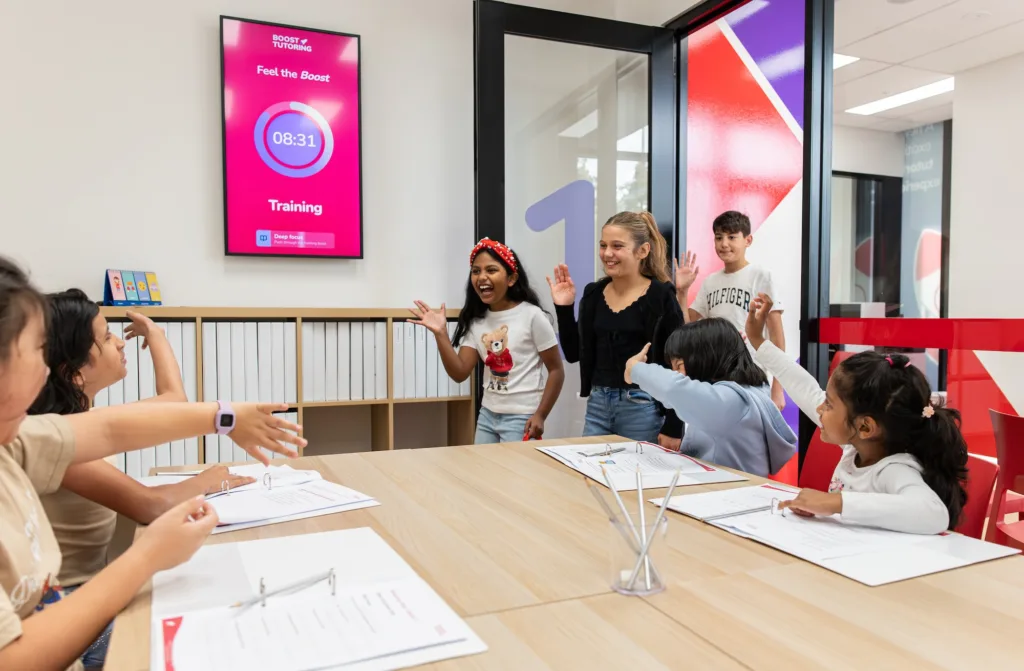
This is why every Boost English session opens with a short block of skills work before the main lesson starts. It’s not flashy, and it’s not aimed at any single test. It’s the structure that means comprehension, inference and vocabulary get built as an ongoing habit rather than crammed in the months before an application, so that when a text type like a persuasive speech or an unfamiliar poem does turn up on test day, it isn’t the first time your child has had to work one out.
If you’re not sure whether your child’s reading is genuinely test-ready or just strong on the books they already love, a proper academic assessment is the clearest way to find out where the gaps actually are. It’s a far more useful starting point than another practice paper.
Book a free academic assessment and see exactly where your child’s foundations sit