There’s an instinct that says you get what you pay for, and it makes a lot of Beaumont Hills parents wary of small-group tutoring. If one-on-one is the gold standard and a school class is the cheap version, surely a small group is a compromise, a watered-down option you settle for to save money?
It’s a fair worry, and it’s worth taking seriously. But it’s also mostly wrong, and it comes from a handful of misconceptions about what a small group actually is and how it works. So rather than make the case in the abstract, let’s go through the worries one by one. Here’s small-group tutoring in Beaumont Hills explained through the questions parents actually ask before they sign up.
The Worries Parents Have About Group Tutoring
Most of the hesitation comes down to four concerns. They’re all reasonable, and they all have answers.
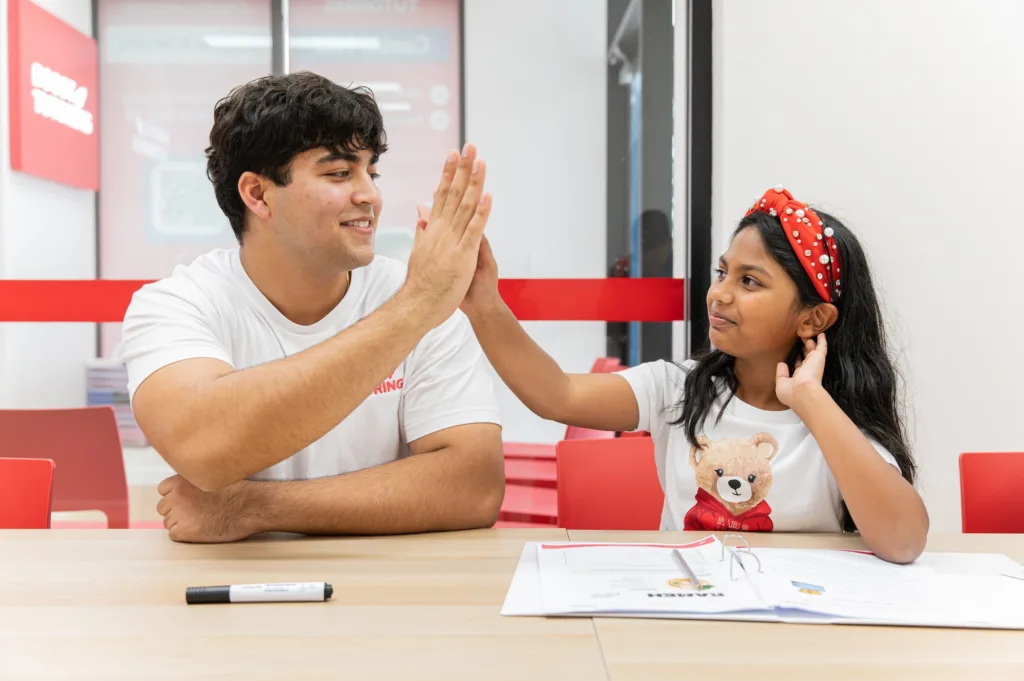
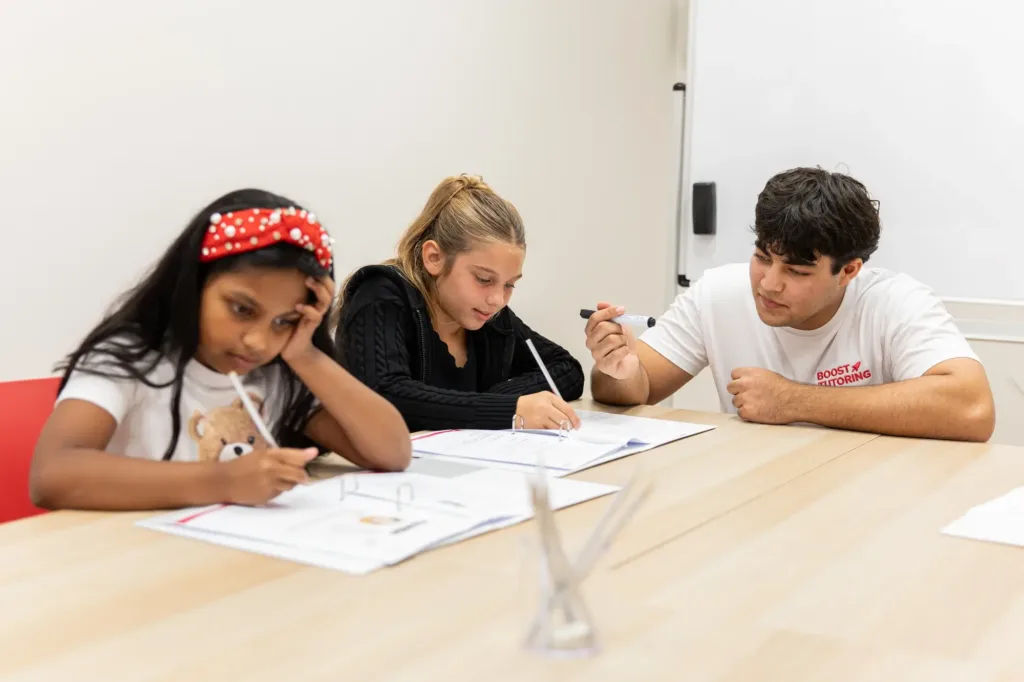
“My child won’t get enough individual attention.” This is the big one, and it depends entirely on the size of the group. In a class of thirty, it’s a legitimate fear. In a group of six to eight, it isn’t, because one tutor can genuinely watch every child in a room that size. Your child gets noticed when they go quiet, helped when they’re stuck, and stretched when they’re flying. That’s more individual attention than a school class, not less.
“My child will be held back by the slower kids, or bored if they’re ahead.” This assumes everyone in the group does the same thing at the same pace, like a miniature classroom. A well-run small group doesn’t work that way. Each child works at their own level, on what they actually need, with the tutor moving between them. A child who’s ahead isn’t sitting around waiting, and a child who needs more time isn’t being dragged along. Same room, different work.
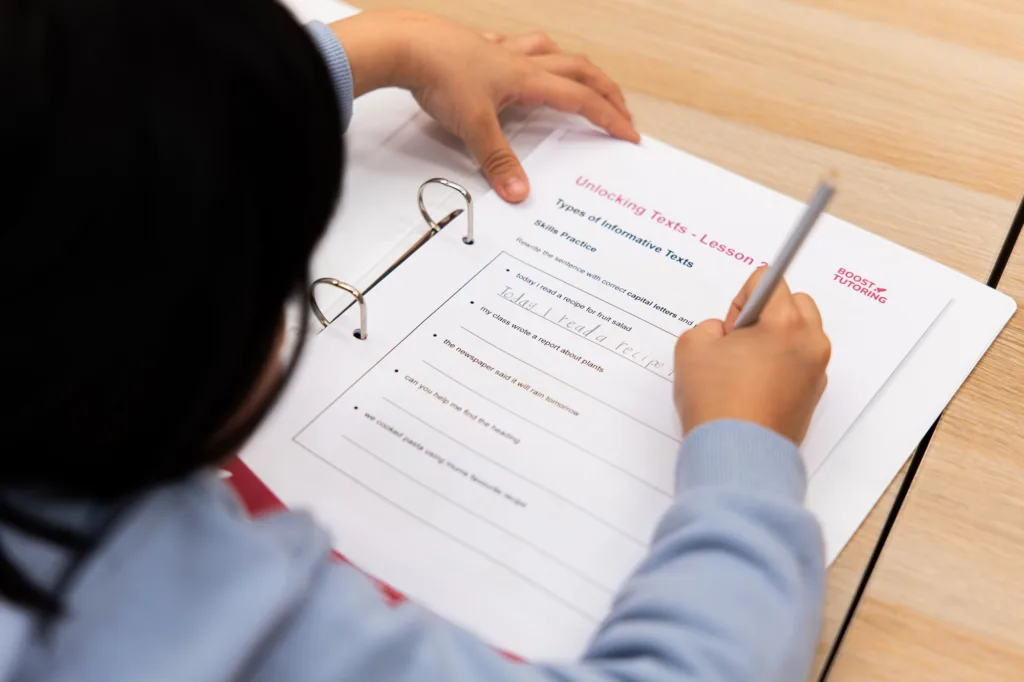
“It’s just worksheets.” Sometimes, at weaker centres, it is. But that’s a failure of the centre, not of the format. Real small-group tutoring involves actual teaching: explaining, demonstrating, working through examples, then guiding practice. Worksheets have a place, as practice, but they’re the reps, not the lesson.
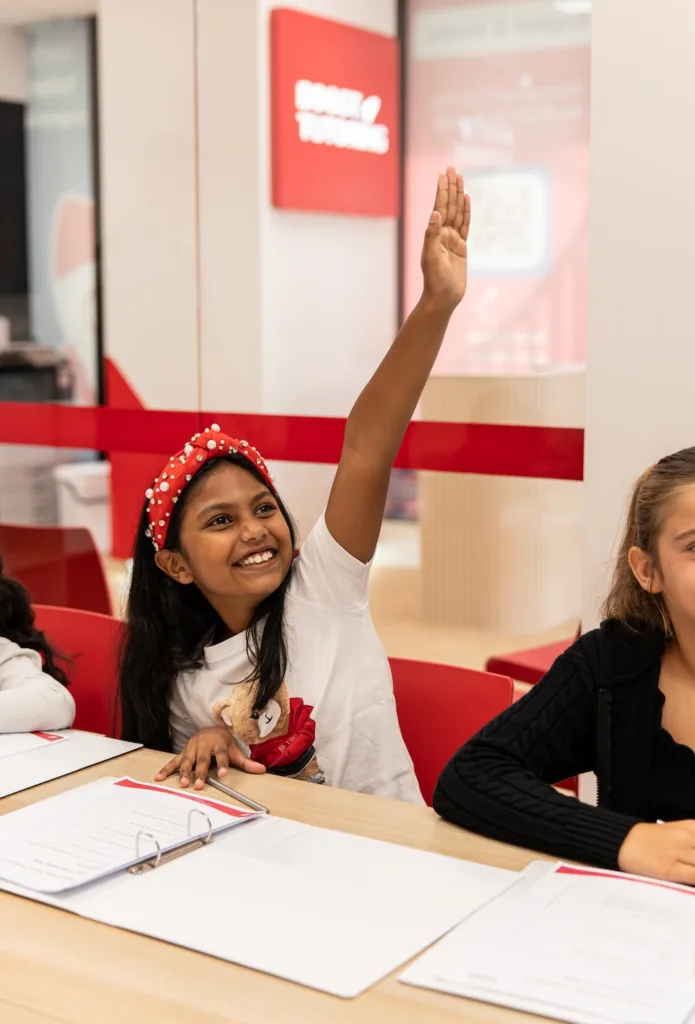
“My child is shy and will get lost in a group.” Counterintuitively, small groups often suit shy children better than the alternatives. One-on-one can feel like an hour-long spotlight, which a quiet child can find intense. A school class is too big to feel safe putting your hand up in. A small group sits in the sweet spot: small enough to feel secure, large enough that no child is constantly on the spot.
What a Small-Group Session Actually Looks Like
A lot of the worry disappears once you can picture the hour, so here’s roughly how it goes.
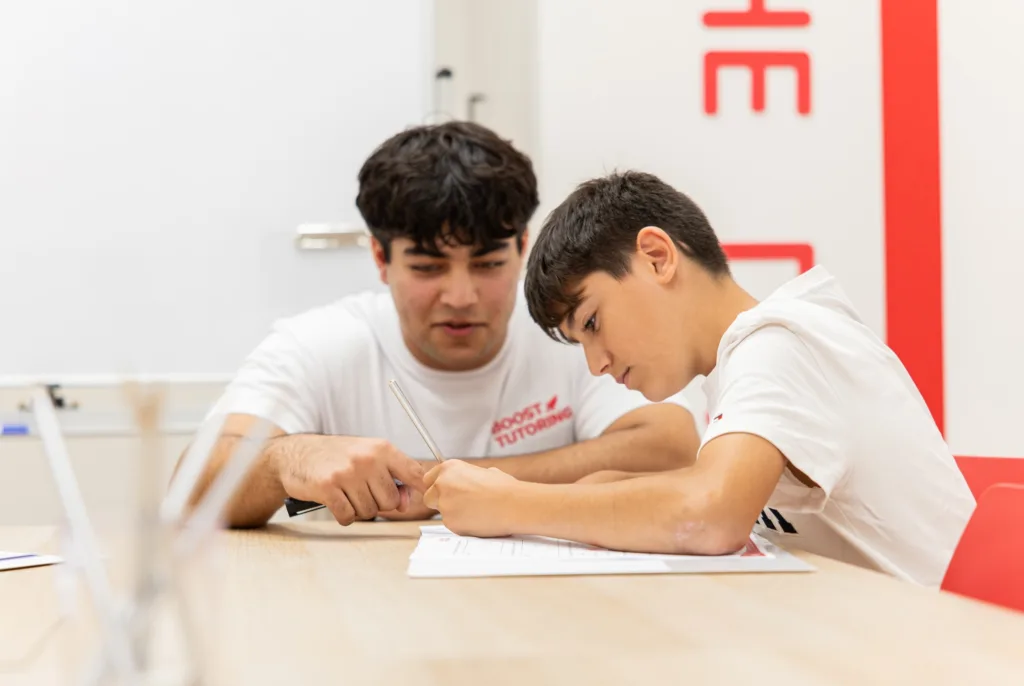
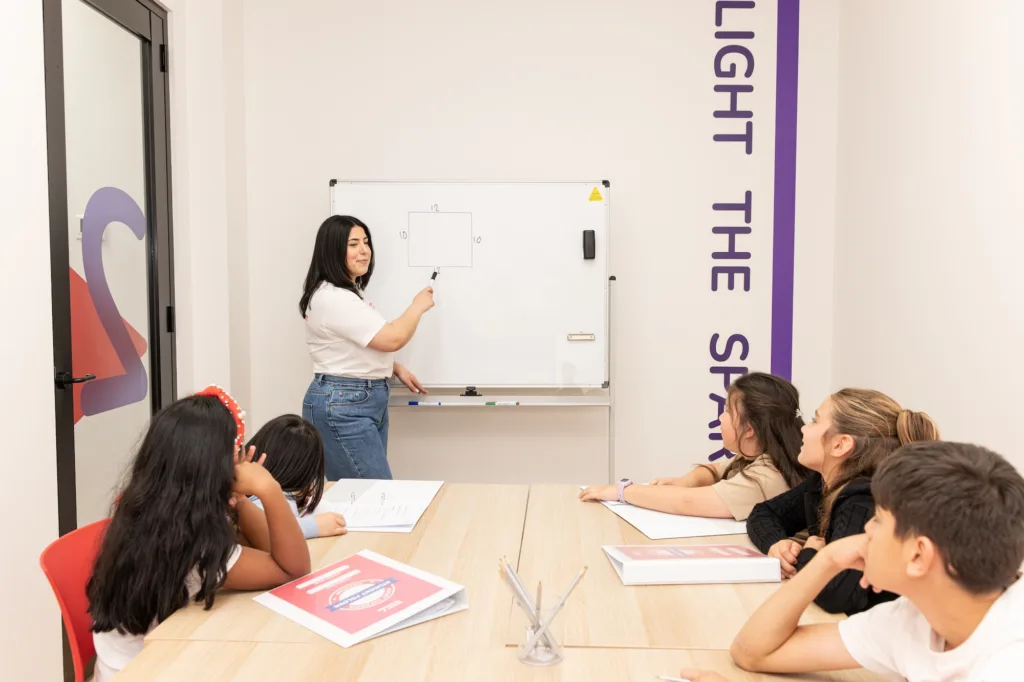
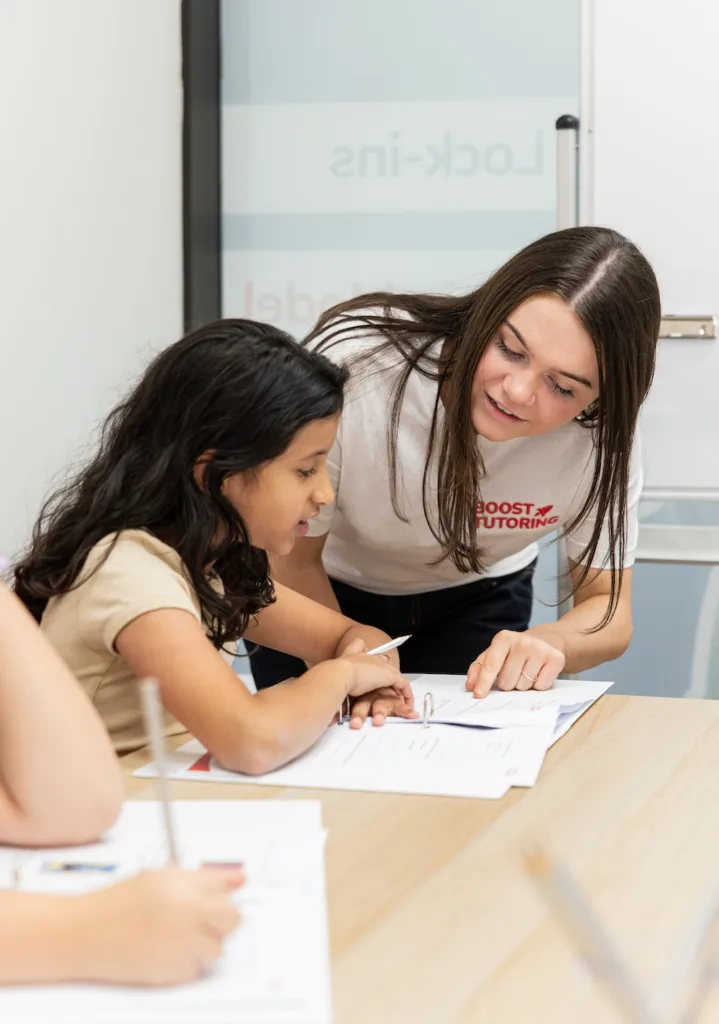
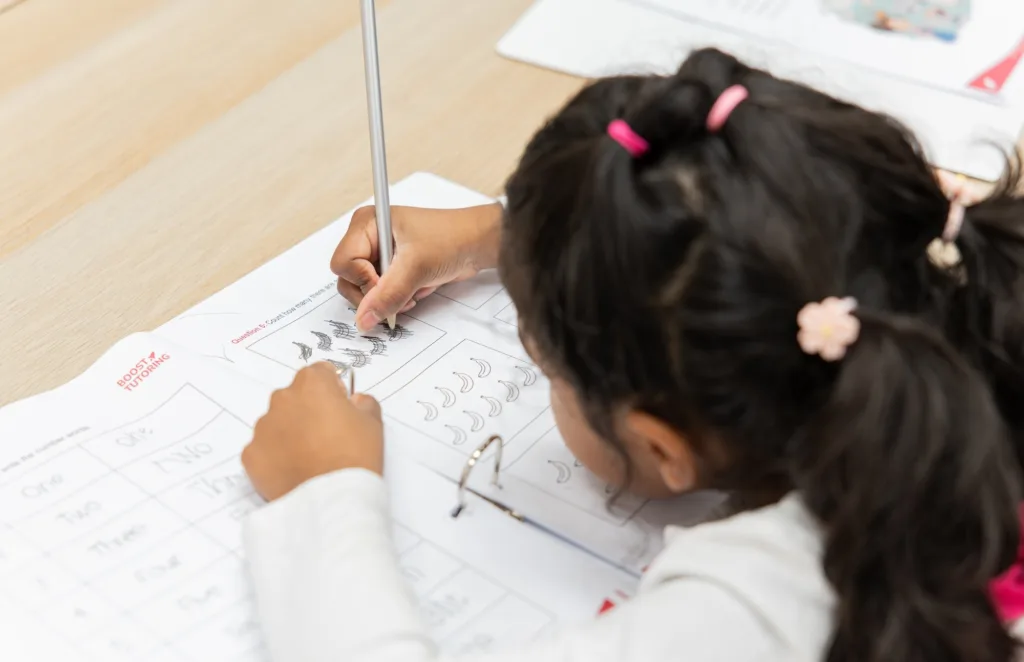
A session opens with a few minutes of quick skills work to switch the brain on, things like times tables, mental maths or vocabulary, run at pace. Then the tutor teaches: introducing or working through the day’s content properly, with examples, the way good teaching always looks. After that, the students work through the content themselves while the tutor moves around the room, checking in with each child, catching errors as they happen, and nudging the ones who are ready to push further.
The key thing in that picture is the tutor moving between a small number of known children, rather than standing at the front of a crowd. That movement is where the attention lives. It isn’t one child being taught while the others wait their turn. It’s a tutor who can be genuinely present for each of six or eight students across the hour, which is the whole point of keeping the group small.
When a Small Group Is the Right Choice
Small-group tutoring suits most situations, but not all, and it’s worth being honest about the exception. If your child has a single, urgent problem to sort out before a test in a few weeks, focused one-on-one will handle that narrow job faster. A small group is built for the longer game: steady progress, strong foundations, and confidence built across a year.
For that longer game, which is what most families actually want, a small group gives you the rare combination of real attention, a bit of healthy energy in the room, and a price that lets you keep it going consistently. And consistency, far more than intensity, is what moves a child forward over time.
How We Run Small-Group Tutoring in Beaumont Hills
At Boost, a small group is six to eight students with the same qualified tutor each week, aligned to the NSW syllabus, for students from Kindergarten through to Year 10. Every child works at their own level, and every session follows the above: a few minutes of skills work, real teaching, then guided practice until the content holds. We call it Prime, Train, Retain. The same tutor each week means your child is known rather than processed, and a tutor who knows your child spots a wobble far sooner than a stranger would. It carries on at home through a short daily worksheet, because the reps are where a lot of the learning actually sticks.
If you’ve been picturing a watered-down classroom, the easiest way to replace that picture with an accurate one is simply to see a real small group in action.
Small-group tutoring isn’t the compromise option. Done properly, it’s the one that gives most children exactly what they need: real attention, real teaching, and the consistency to actually build something that lasts.
Book a free academic assessment and see where your child really sits.