
Your child has just finished Year 4. At pick-up, another parent mentions their daughter is “already deep into Selective prep,” and you feel a small lurch of panic — are we behind before we’ve even started? If you’re raising a Year 5 child anywhere from Castle Hill to Beaumont Hills, this is the year that question gets loud. It’s worth answering properly, because the honest version is calmer than the group chat makes it sound.
What the Year Before Selective Actually Involves
The Selective High School Placement Test is sat by Year 6 students, usually in March, for entry to Year 7 the following year. That makes Year 5 the run-up year — the one where families apply, and where the groundwork for the test gets laid. It is not the year to start from zero, and it’s not the year to go all-in on practice papers either. Both extremes cause problems: too little, and Year 6 becomes a scramble; too much, and you risk a child who’s burnt out on the subject before the test even arrives.
The better way to think about Year 5 is as a building year. The test covers reading, mathematical reasoning, thinking skills and writing — and all four of those are skills that develop over months of consistent practice, not weeks of intensive drilling. A timeline helps, because it turns a vague sense of “we should be doing something” into a clear sequence of small, manageable steps.
A Term-by-Term Timeline for Year 5
Start the year by finding out where your child actually sits, not where you assume they sit. A short diagnostic assessment across maths and English gives you a real starting point — strong at reading but shaky on mathematical reasoning, say, or confident with numbers but rushing through comprehension. This matters because Selective prep that ignores the actual gaps wastes a year chasing the wrong thing. Resist the urge to introduce past Selective papers this early; they measure test skill, not underlying ability, and at this stage you want the latter.
This is the term the application itself typically opens, so it’s worth having it on your radar early rather than discovering the window has nearly closed. Talk to your child’s school about how they usually handle nominations and paperwork, since most schools coordinate this centrally. Academically, Term 2 is where the real work starts: vocabulary and inference for reading, multi-step problems for maths reasoning, and regular paragraph writing so your child is comfortable building an argument or a narrative under their own steam, not just answering short questions.
Once the underlying skills are more solid, it’s time to introduce your child to what the test actually looks like — the style of the thinking skills section, the shape of the writing prompt, the time pressure of multiple-choice reasoning. Keep the exposure light and spaced out rather than saturating every weekend. A single practice set done properly, then reviewed and understood, teaches more than three sets rushed through and forgotten.
By the end of Year 5, most Hills families do one or two full practice tests under real time conditions — quiet room, no interruptions, the full ninety-minute stretch. This isn’t about the score. It’s about your child experiencing the length and pace of the real thing before it matters, so test day in Year 6 feels familiar rather than overwhelming. It’s also a genuinely useful checkpoint for you: does the plan for Year 6 need more focus on writing, or is reasoning still the gap? A calm, specific answer beats a guess every time.
What Actually Matters Most This Year
If you take one thing from this timeline, let it be this: consistency across the whole year beats intensity in any single term. A child doing twenty minutes of focused practice most days for forty weeks will out-develop a child doing three-hour sessions every second weekend, almost every time. The first approach builds a habit and genuine skill. The second builds fatigue and, often, resentment toward a test that hasn’t even happened yet.
It’s also worth protecting your child’s wider identity through this year. A Year 5 student who spends every conversation about school talking about Selective can start to feel like the test is the only thing that matters about them. Keep sport, friendships and downtime intact. A well-rounded, rested child sits the test better than an anxious, over-prepared one — and either way, they’ll still be the same capable kid the day after, regardless of the result.
Building the Habit, Not the Sprint
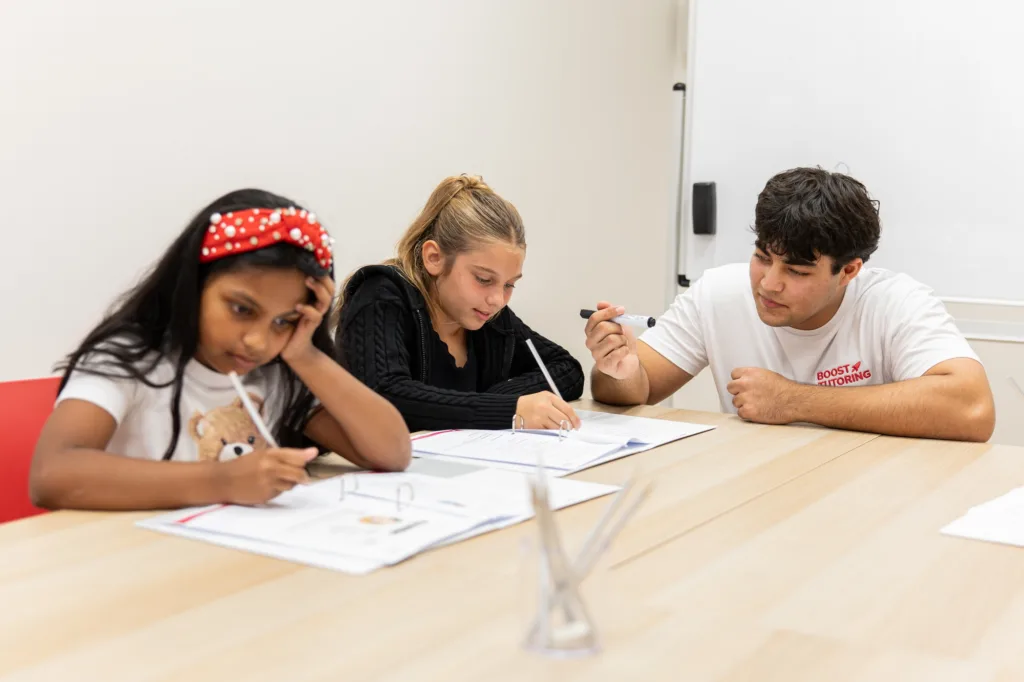
This is exactly why our Selective program is built around a full weekly cadence rather than a pre-test sprint. Every Boost Selective session opens with five minutes of skills work, moves into structured teaching on the current focus area, then has students rep the content themselves so it actually sticks — the same Prime, Train, Retain structure we use across every subject. Reinforced through short daily practice at home via Boost Accelerator, it’s designed to build the habit of steady progress across Year 5, so by the time Term 4 practice tests roll around, your child isn’t cramming. They’re just doing what they’ve been doing all year, under slightly different conditions.
Where to Start
If you’re not sure where your Year 5 child currently sits across reading, maths reasoning and writing, that’s the right place to begin — not another practice paper. Book a free academic assessment and get a clear, honest picture of the starting point before the year gets away from you.
Book a free academic assessment and see exactly where your child’s foundations sit











