Six months of tutoring in, and your child’s last maths test came back looking exactly like the one before it. You’ve paid for the sessions, driven the pickups, watched the calendar fill up around this commitment, and you’re still waiting for the shift you were promised. So you start asking the question every parent eventually asks: is it time to switch tutors, or am I just being impatient?
It’s a fair question, and a hard one to answer from the outside. Progress in tutoring isn’t always visible on the surface, and pulling a child out of something too early can undo genuine groundwork. But staying somewhere that isn’t working, out of guilt or inertia, costs your child time they don’t get back. Here’s how to tell the difference, and what’s worth checking before you make a change.
Give It Enough Time to Actually Tell
Ten weeks. That’s roughly the minimum before you can fairly judge whether tutoring is working, especially if your child started behind or is rebuilding confidence rather than just adding polish. Foundational skills, like number sense or reading fluency, often move before test scores do. A child who’s started checking their own working, or picking up a harder book without being asked, is making progress even if the next school assessment hasn’t caught up yet.
This is why the first thing worth asking isn’t “has the mark changed” but “has anything changed.” Is your child more willing to attempt problems they’d have skipped six months ago? Do they explain their thinking more clearly than they used to? Do they need fewer reminders to actually sit down and start? Small shifts like these are usually the leading indicator, and if you’re not seeing any of them by the ten-week mark, that’s real information worth acting on.
It also helps to separate a slow start from a flat line. A child who improved in the first month and has since plateaued is a different situation to a child who has shown no change at all since day one. The first might just need a harder target or a change of pace within the same arrangement. The second is a stronger signal that something structural isn’t working.
How to Know When It’s Time to Switch Tutors
A handful of signs are worth taking seriously. Your child can describe what happens in each session but can’t tell you what they’ve actually learned. The tutor can’t give you a clear answer when you ask where your child sits against the syllabus, or what the plan is for next term. Sessions feel like extra homework help rather than teaching, so your child is walked through the same gaps every week without them closing. Or the format simply doesn’t suit your child: some kids need the focus of one-on-one, others switch off without the mild social pressure of working alongside peers, and a handful just need a different personality across the table.
None of these signs on their own means pulling the pin immediately. Together, or if one of them has been true for a full term, they’re a reasonable basis to make a change. It’s also worth noticing how your child talks about the sessions. Reluctance to go is normal occasionally. Reluctance that’s become the default, week after week, usually means something about the current setup isn’t landing.
Before You Switch, Check This First
A short conversation with the current tutor is worth having before you start looking elsewhere. Ask directly what your child is working on, what’s improved, and what the plan is for the next few weeks. A tutor with a clear plan will answer in specifics. A vague answer, or one that’s all reassurance and no detail, tells you something too.
It’s also worth separating “this tutor isn’t right” from “this format isn’t right.” A capable one-on-one tutor might not suit a child who needs the structure and mild competition of a small group to stay switched on. A tutoring centre that moves quickly through content might not suit a child who needs more repetition before a skill sticks. Switching tutors without changing the format sometimes just repeats the same problem with a different face, and a few weeks of adjustment on top. Switching isn’t free either.
A new tutor, however good, needs a few sessions to work out where your child actually is, not just where the last report card said they were. If you do decide to switch, it’s worth expecting a short settling-in period rather than an overnight change, so you don’t judge the new arrangement against the same unrealistic timeline that frustrated you with the last one.
What Actually Causes Progress to Stall
Most stalled progress among Castle Hill families comes down to one of three things: inconsistency, where sessions get skipped or rescheduled around sport and holidays; no structure, where each session starts from scratch instead of building on the last one; or no feedback loop, where parents have no visibility into what’s actually happening week to week, so problems go unnoticed until report cards land. A talented tutor working without structure or consistency will still find it hard to move the needle. A less flashy programme that runs the same reliable format every week, with parents kept in the loop, often gets further than the tutor with the best reputation.
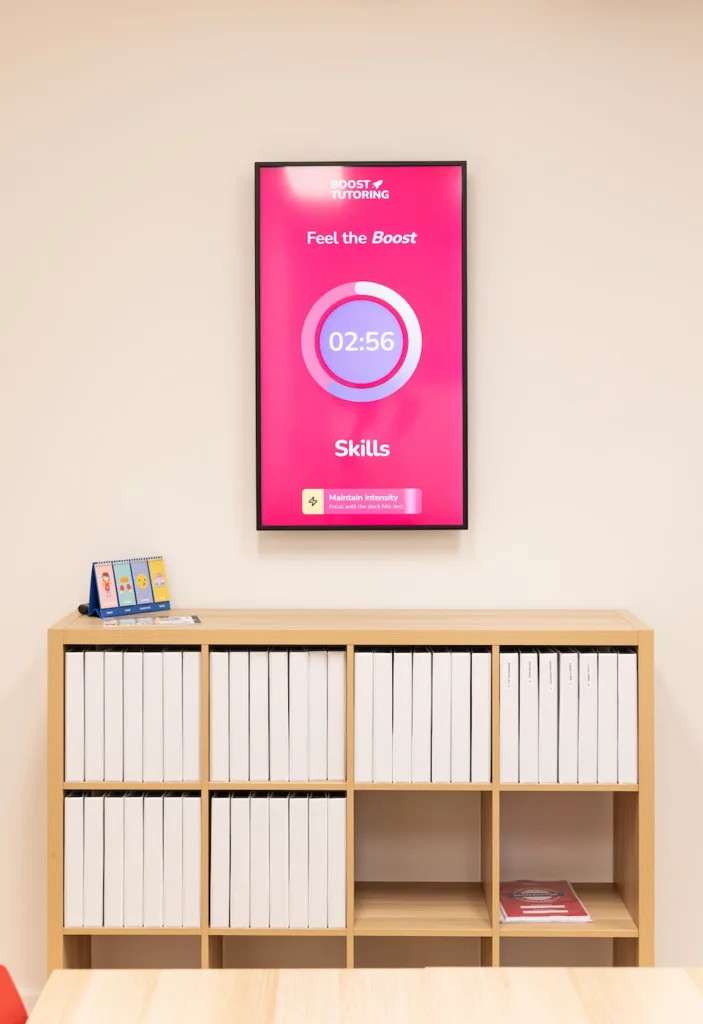
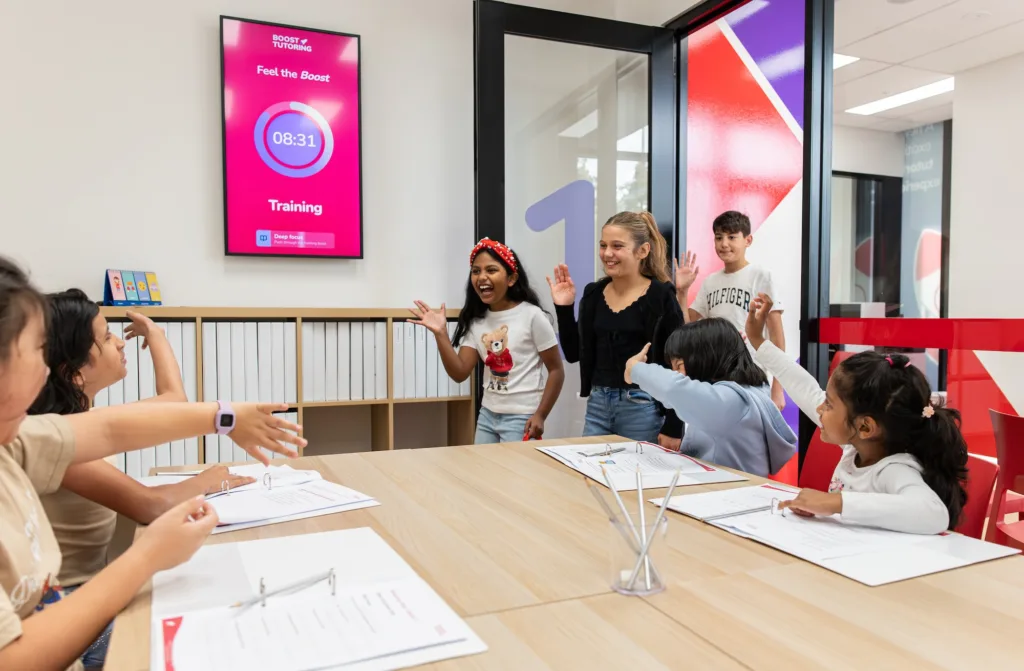
This is the part we built Boost around. Every session opens with five minutes of skills work, moves into real teaching against the NSW syllabus, and closes with students repping the content themselves so it actually sticks. Parents get feedback through Boost Accelerator rather than finding out at the next report card. It isn’t about finding the one gifted tutor who unlocks everything. It’s about a structure that holds up whoever is running the session, so progress doesn’t depend on getting lucky with the personality across the table.
If your family is somewhere in the middle of that ten-week window, wondering whether to hold on or make a change, the clearest next step is finding out exactly where your child actually sits, rather than guessing from a test score or a gut feeling. Book a free academic assessment and we’ll tell you straight, whatever you decide to do next.
Book a free academic assessment and see exactly where your child’s foundations sit