Every school night runs the same script. You ask if there’s homework. There’s a sigh, a stall, maybe a negotiation about screen time first. By the time anyone actually opens a book, you’ve spent more energy getting there than the homework itself will take. You tell yourself tomorrow will be different, that a firmer pep talk or a bigger incentive will turn things around. It rarely does, and by Wednesday you’re having the exact same argument again, word for word.
The instinct here is to treat this as a motivation problem. If your child just wanted it more, or you found the right reward, the friction would disappear. But motivation is the wrong thing to chase every single night, because it’s unreliable by nature, in kids and in adults. What actually gets homework, revision or reading done consistently isn’t a fresh supply of willpower each evening. It’s a study routine that doesn’t need much willpower in the first place.
Why Willpower Runs Out By Wednesday
Willpower isn’t a fixed part of your child’s personality. It’s closer to a resource that gets spent through the day, and by the time school finishes, most of it is already gone. Sitting still through six lessons, following instructions, managing friendships, coping with a hard subject or a boring one, all of that draws on the same tank a child needs to start homework calmly at four o’clock. Parents run the same tank.
After a full day of work and the school pickup, there’s less patience left for a nightly negotiation than there was at breakfast. A plan for homework that depends on both parent and child having spare willpower left at the end of the day is fragile by design. It works fine on the easy days, the ones with no after-school activity, no tired meltdown, no surprise assignment sprung the same afternoon. Then it falls apart on the ordinary ones, which, if you’re honest, is most of them. By Wednesday, both tanks are running low at the same time, and that’s exactly when the routine matters most and is hardest to hold onto.
What a Study Routine Actually Removes
A study routine isn’t there to make homework more enjoyable. Its real job is to remove the decisions sitting around it. Every decision point, when to start, where to sit, what to do first, what happens if the answer is “not now”, is a place where an argument can begin. A fixed time, a fixed place and a fixed first task remove those decision points before they happen, so there’s nothing left to negotiate over most nights. A workable routine usually has the same few pieces:
- Same time every school day, even if it isn’t the ideal time
- Same place, already set up before it starts
- Same first task, always something small and easy
- A clear, visible end point, so the session has a finish line
None of this needs to be complicated, and it doesn’t need a chart on the fridge or a reward system attached to it. It just needs to be the same, night after night, until it stops being a decision at all and becomes closer to a habit like brushing teeth, something nobody has to feel motivated to do.
Why the First Few Minutes Matter Most
Starting is the hardest part of homework, not finishing it. Once a child is a few minutes in, momentum tends to carry the rest of the session along without much resistance. A well-built routine handles this by making the first task automatic rather than a choice, the same small, low-effort task every time, so there’s nothing to weigh up or feel reluctant about before beginning. This is also why “just try harder to get started” rarely works as advice, however well meant. It puts the load back on willpower, in the exact moment willpower is weakest, which is a bit like telling someone to swim harder once they’re already out of breath.
Building the Routine Without a Nightly Fight
Getting a routine to actually stick takes a few unglamorous steps. Pick one fixed time and hold it, even on the days it feels inconvenient, because consistency is what makes it automatic rather than optional. Give it a few weeks before deciding whether it’s working, since the first fortnight will always feel harder than the tenth, and most families give up right before it would have started paying off. Let the routine itself, not your voice, be what starts the session, a set time and a visible first task do more work than another reminder ever will. And once it’s running, step back from being the one enforcing it every evening. A routine that only survives because a parent is actively managing it every single night isn’t really a routine yet. It’s still a negotiation with extra steps.
Signs It’s Actually Starting to Work
The change rarely announces itself. It shows up as fewer questions before starting, less checking in from you about whether it’s happened yet, a child who sits down without being asked twice. The arguments don’t disappear overnight, but they get shorter and less frequent, because there’s less to argue about once the time, place and first step are already decided. That’s the real measure of a working routine, not that homework becomes enjoyable, but that it stops requiring a negotiation before it can begin.
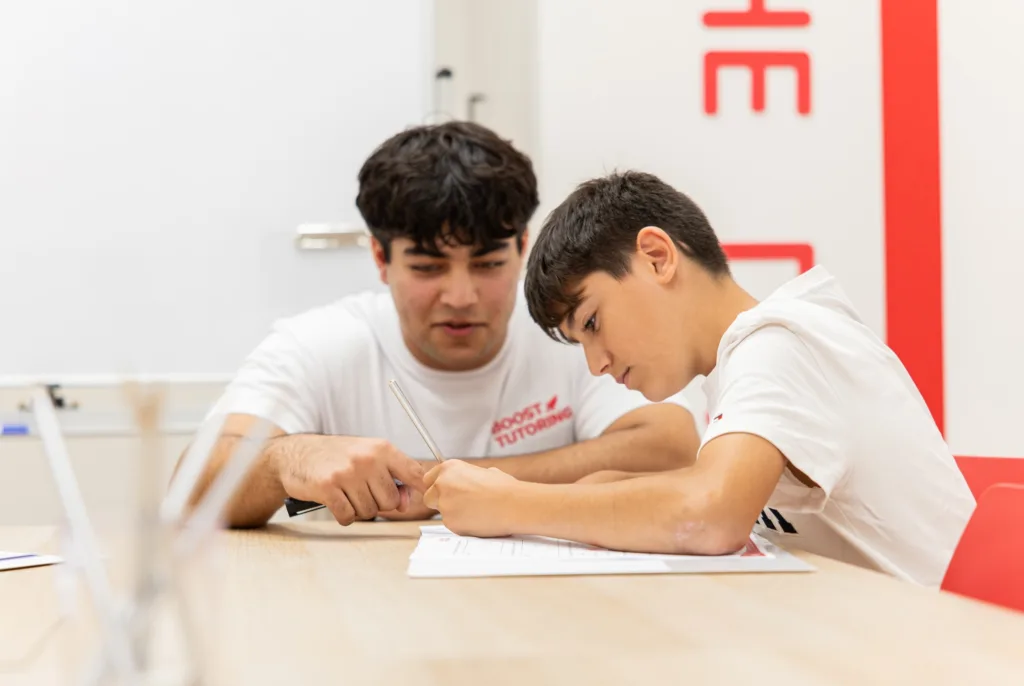
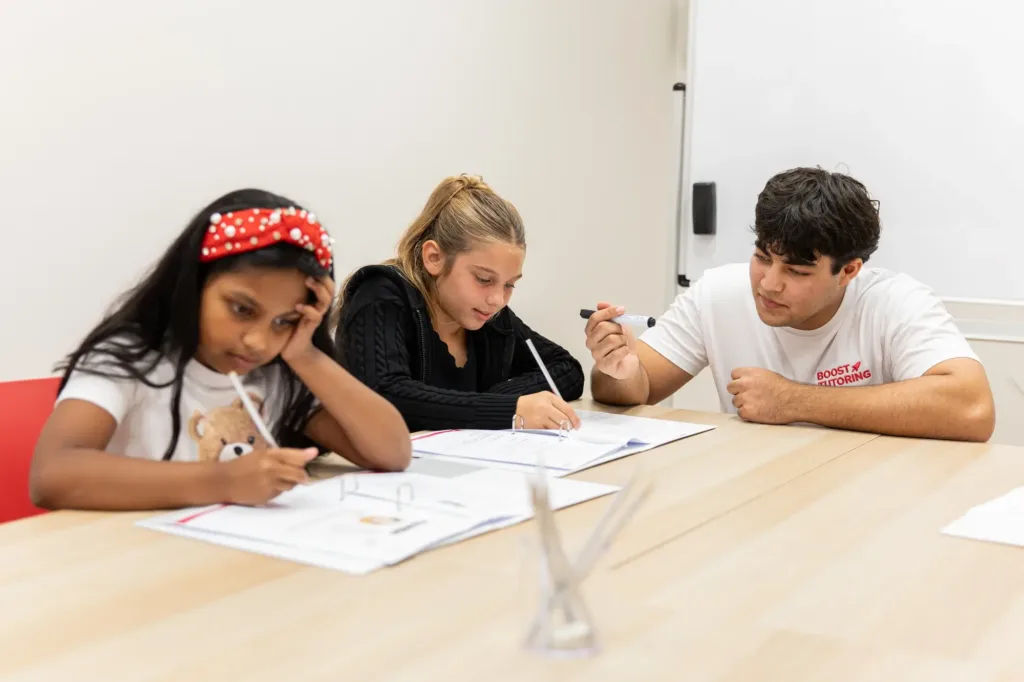
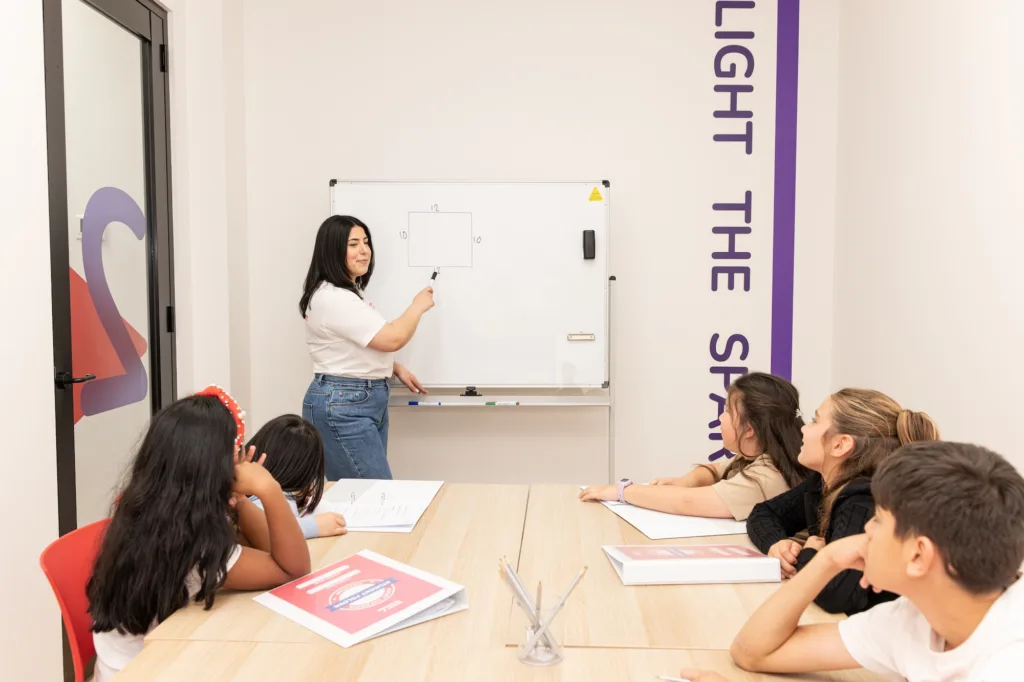
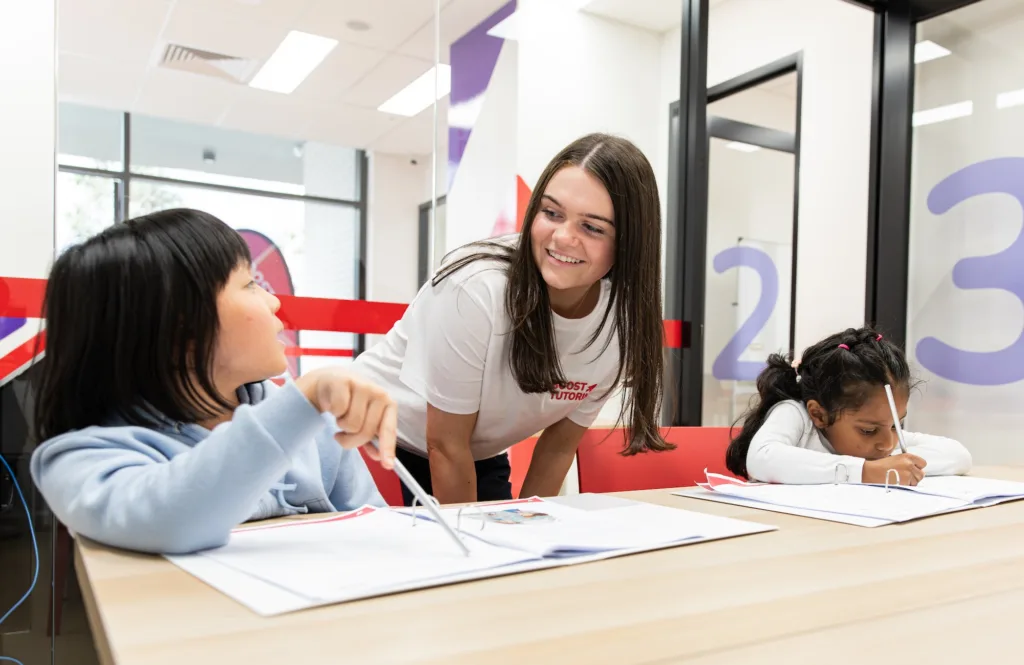
This is the same thinking behind how every Boost session is built. Prime, the first five minutes of every session, is always the same shape regardless of what’s being covered that week, a short piece of skills work with no decision required from the student about what to do first. It removes the need to find motivation to begin, because the format has already decided that part before the student walks in. Train and Retain follow at the same time each week, in the same small group, so the structure carries the session rather than depending on how motivated anyone happens to feel walking in that particular afternoon.
If getting your child to sit down and start is the nightly fight in your house, the answer usually isn’t a better pep talk. It’s a routine that doesn’t need one. Book a free academic assessment to see where your child is actually at, and what kind of structure would genuinely help.
Book a free academic assessment and see exactly where your child’s foundations sit