School reports sometimes mention that written answers lack detail or precision because vocabulary has not kept pace. That single observation often explains difficulties showing up across several subjects.
It’s tempting to file that under English and move on. Word knowledge rarely stays boxed into one subject for long.
Why Does Vocabulary Matter So Much for School Success?
Report cards often reveal vocabulary through everyday classwork long before spelling results suggest there is a problem. The bigger signs usually appear during instructions, written tasks and class discussion.
Vocabulary development affects how students interpret classroom instructions, unpack maths questions, and express ideas clearly during everyday learning.
Science diagrams become harder to interpret when words such as “evaporate” have little meaning. The same gap also slows reading tasks because key ideas never become fully clear.
How Word Knowledge Supports Learning Across Every Subject
Reading tends to expose vocabulary gaps first. Skip the meaning of one important word, and the rest of the paragraph slips out of focus fast. By the next line, meaning is already harder to catch.
The right word makes a sentence clearer. Teachers follow ideas more easily when vocabulary matches the message, leading to precise explanations that stay focused.
Class discussions keep their pace when familiar classroom terms need no explanation.
Attention stays on the topic being taught because less effort goes into interpreting unfamiliar words.
Maths, science and history each have words that rarely appear in everyday talk. Students who know those terms sooner usually settle into new topics faster.
Maths word problems often catch students out. Many maths mistakes begin with the wording. Terms like “product” or “difference” carry specific meanings in maths. Read them the everyday way, and the method chosen shifts sideways.
Why Vocabulary Gaps Become Bigger as Students Move Through School
By high school, texts get denser, and teachers move faster through subject vocabulary. Pauses to unpack an unfamiliar word grow scarcer term by term.
A small Year 3 gap doesn’t stay small for long. It sits quietly in the background, waiting for the next unfamiliar word list to expose it.
Early word knowledge keeps showing up in later reading results. A 2025 review in Educational Research Review traced that link well beyond the first years of school.
By Year 7, accurate reading does not always mean strong understanding. Some students get through the words but lose meaning whenever the vocabulary turns more academic.
How Does Vocabulary Development Improve Reading, Writing and Confidence?
The wider a student’s word bank, the less mental energy the lesson eats up decoding language. What’s left goes into following the argument and answering with real precision.
Better Vocabulary Leads to Stronger Reading Comprehension
A page feels less tiring when fewer words need stopping over. It rarely needs a second pass to make sense.
When a writer only implies something, a strong vocabulary catches it instead of letting it slip past.
A character described as “reluctant” tells a reader something a slower explanation never quite captures.
That kind of detail sticks. It’s there again, ready to use, once the next lesson calls for it.
Why Confident Communicators Often Perform Better in Class
Confidence tends to follow ability rather than lead it.
Frontiers in Psychology found that vocabulary knowledge was one of the strongest predictors of reading comprehension in 2022, ahead of most other reading skills measured.
A student who knows more words puts a hand up more often in class.
Speaking up more often brings more practice explaining an idea out loud, and that shows up in clearer written answers.
The same shift often shows up in assessment results too.
Where Can Your Child Build Stronger Vocabulary Development in Sydney?
Everyday reading helps, but only so much.
Many families researching options through Boost Tutoring Australia find that structured guidance makes the bigger difference.
What Effective Vocabulary Instruction Looks Like
Retention needs direct teaching. A word explained in class and put into a sentence, then met again the following lesson, tends to stick.
One brush past a new word in class rarely locks it in. When meaning is taught early, the same word feels familiar later in a worksheet, class novel or discussion.
A word linked to a real example is easier to hold onto. Students remember the scene first, then recognise the word later.
New words need several meetings before they feel usable. Familiar words gradually become part of everyday classroom language instead of remaining difficult to recall.
Teachers usually notice improvement once students begin using recently learned vocabulary across different subjects, from answering maths questions to completing written science tasks independently.
Tutoring sessions stay focused when existing vocabulary is identified early. Session time stays focused on vocabulary that still needs attention, allowing students to keep extending their word knowledge instead of revisiting familiar material.
How Boost Tutoring Australia Helps Your Child Expand Their Vocabulary
The first assessment shows which words a student already handles and where comprehension starts to thin out. Lesson planning begins from that point.
Assessment findings show where vocabulary and comprehension begin breaking down. Priorities for the first sessions come straight out of those results.
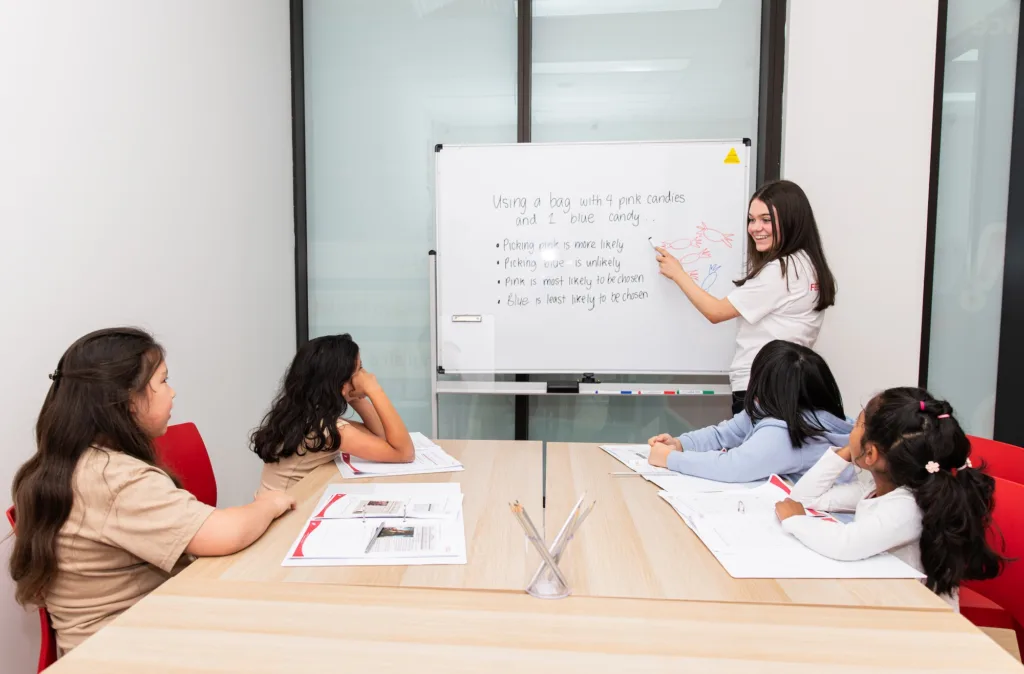
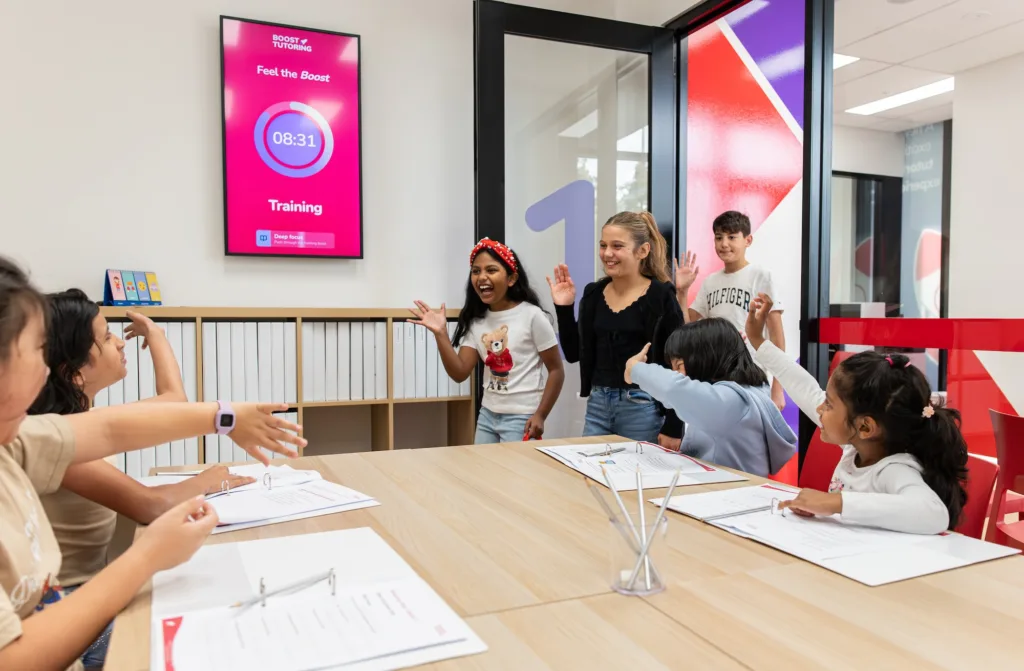
Groups stay small, six to eight students with the same tutor each week. Subtle vocabulary shifts that a full classroom would flatten out become visible, and progress is measured against NSW syllabus expectations.
A short worksheet sends the week’s vocabulary home for another round of practice. Revisiting the same words over several days improves recall when they appear again in class.
More information about English tutoring in Beaumont Hills, English tutoring in Castle Hill, and Boost’s full range of services is available for families comparing support options.
Frequently Asked Questions About Vocabulary Development
Most families reach these questions once homework nights start dragging on well past what feels reasonable for the year level.
At What Age Should Your Child Start Building Their Vocabulary?
Early primary years give the biggest head start.
Later starts still deliver. Vocabulary work begun well after the early primary years still improves classwork noticeably.
New words settle the same way early ones did: through books, class chatter and everyday talk circling back in fresh sentences.
Can Improving Vocabulary Help With Subjects Other Than English?
Improvements frequently appear in maths first because many questions rely on understanding specific academic terms before any calculation begins.
A word problem depends on exact wording. So does a science report or history source, which is why vocabulary development often lifts understanding beyond English.
How Long Does It Take to See Improvements in Vocabulary Skills?
Regular practice shows in a few weeks for some children. Others need longer because earlier reading difficulties have reduced the number of words they already recognise confidently.
The first signs are usually small. Teachers usually notice classroom changes first. Answers get longer. Reading aloud steadies without so many restarts, and prompts come up less often.
Is Tutoring Worthwhile if Your Child Struggles With Reading Comprehension?
Tutoring often opens with vocabulary because a passage stops fighting the reader once fewer strange words are getting in the way.
Word knowledge and reading comprehension moved together across the numbers, cohort after cohort. That result came from a meta-analysis of more than 100 studies covering nearly 21,000 learners. That relationship shapes the order of many tutoring programs.
Help Your Child Build Vocabulary That Supports Success Across Every Subject
A strong vocabulary becomes the thread through every subject your child studies.
Boost Tutoring Australia offers a free academic assessment for K-10 students in Beaumont Hills and Castle Hill.
The free assessment compares current vocabulary skills with NSW syllabus expectations before outlining the next learning priorities for your child.
Book a free assessment here and discover the next steps to strengthen your child’s vocabulary development with confidence.