
THIS MONTH ONLY: Book a Free Assessment

Why Structured Weekly Tutoring Beats Casual Help — And Why We Built Boost Around It

You’ve probably tried it before. A few sessions when an assessment looms. A holiday block when grades slip. A casual booking when something specific isn’t clicking. It feels reasonable. It feels flexible. And then six months later, your child is in roughly the same spot, and you’re wondering whether tutoring works at all.

It does. But not the way most families try it first.

What the research actually says

The research on small-group tutoring is clearer than most parents realise. Evidence for Learning, the Australian arm of the global Education Endowment Foundation, has reviewed hundreds of studies and found that structured small-group tutoring delivers an average of four months of additional progress per year. That’s a meaningful gap. But the studies that produce that result share three features: the sessions are regular, the curriculum is sequenced, and the same tutor sees the same students over time. None of those things happen in casual tutoring.

Casual tutoring fails for a simple reason. Learning isn’t a topping-up exercise. It’s a habit. A Year 5 student who does a session on fractions in March and then doesn’t see a tutor again until June has not “had tutoring on fractions” – they’ve had a single exposure, followed by ten weeks of forgetting. Cognitive science calls this the spacing effect, and it cuts both ways. Spaced practice builds long-term memory. 

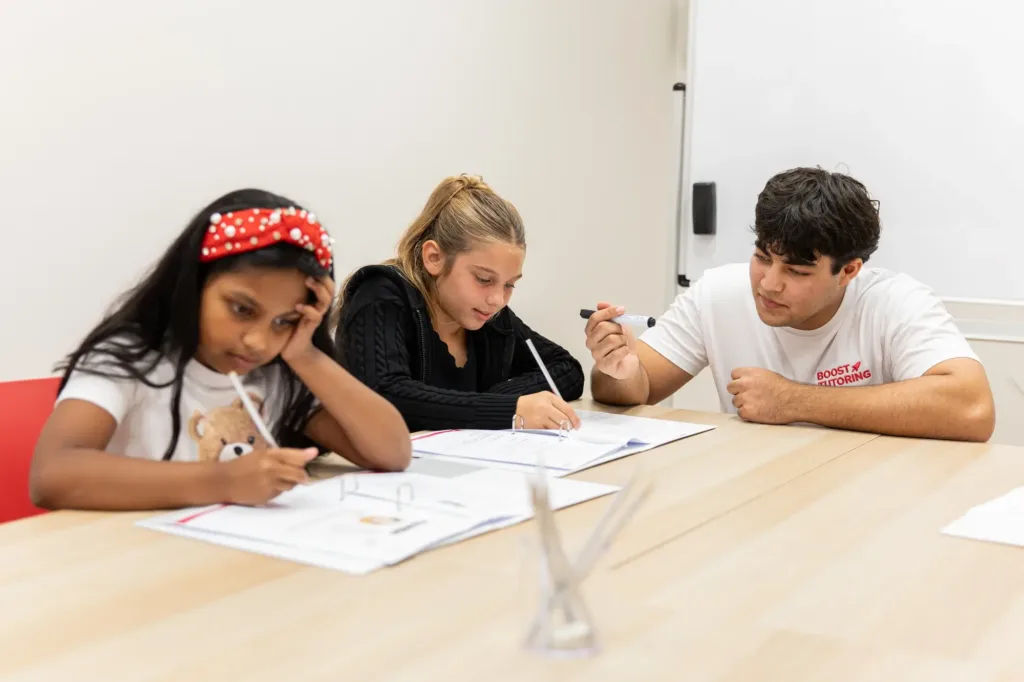
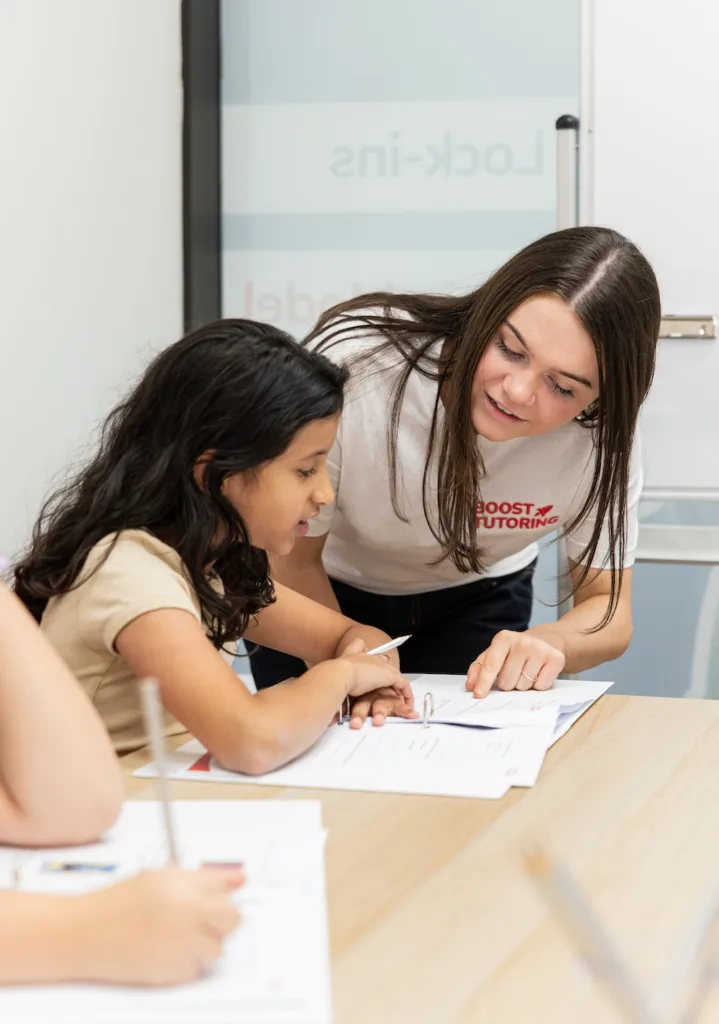
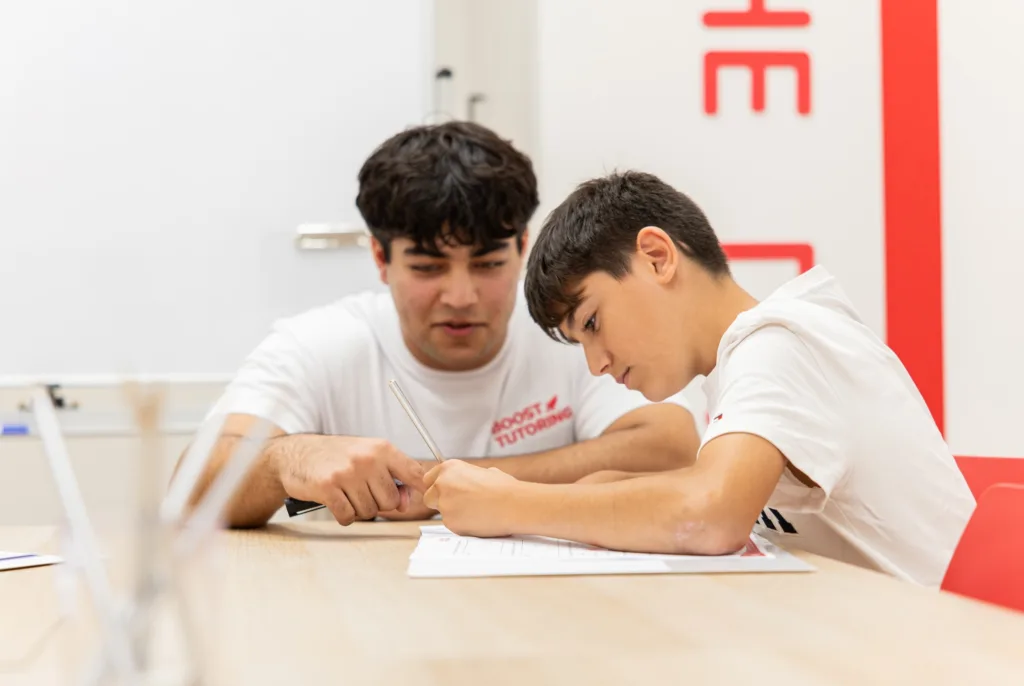
A structured weekly routine works because it does three things casual tutoring can’t. It builds a consistent relationship between tutor and student, so the tutor actually knows where your child is up to. It allows for sequencing – concepts taught one week are reinforced the next, then assessed the week after. And it creates a rhythm at home: a fixed slot, a predictable expectation, a habit your child eventually stops resisting.

How we built Boost around this

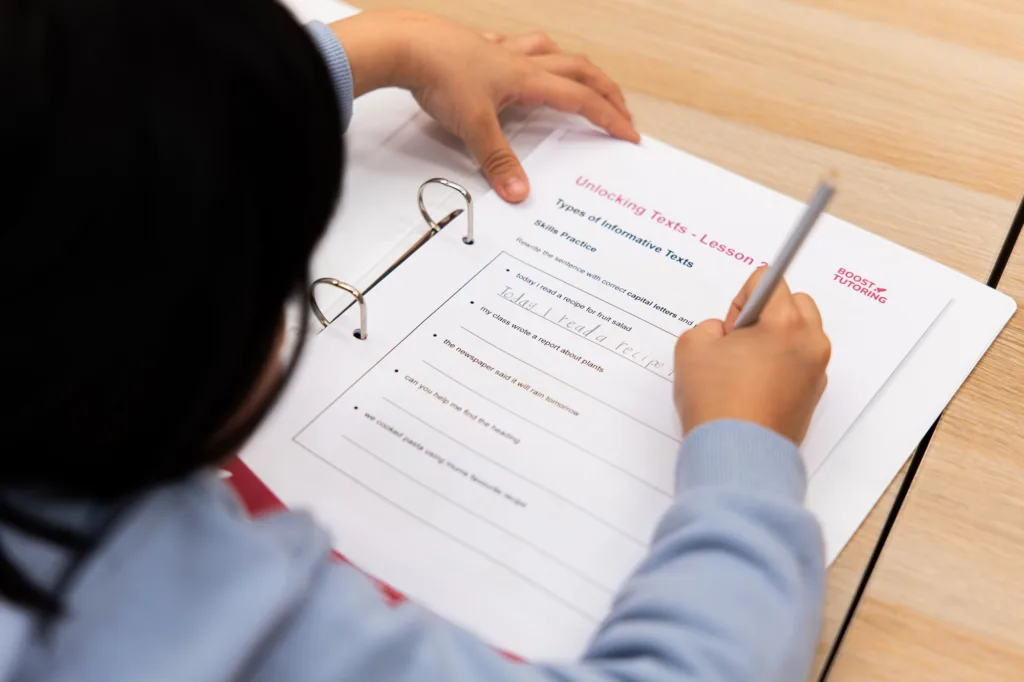
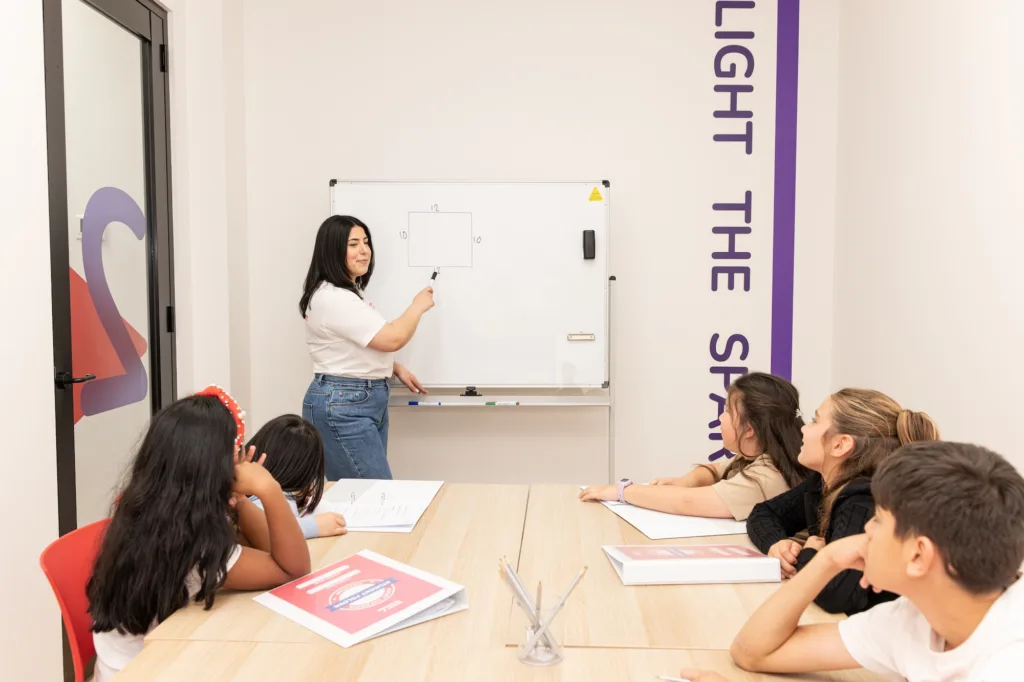
Boost is more than just tutoring. Every session opens with five minutes of fundamentals, moves through curriculum content with real teaching, and closes with the student doing the work themselves. Then it’s reinforced daily at home through Boost Accelerator. It’s not flashy. It’s how learning actually compounds. 

If you’ve tried casual tutoring and it didn’t stick, that’s not a sign your child can’t be helped. It’s a sign the format was wrong.

Book a free academic assessment at one of our Hills based centres and we’ll show you exactly where your child sits.
SHARE THIS POST

Related Resources

Selective Test Prep in the Hills: Study Planning

Most families thinking about the Selective test know roughly what their child needs to get better at. What they don’t have is a plan. So preparation becomes a scramble of random practice papers, a stack of workbooks bought in a panic, and the vague sense that they should be doing

READ MORE >>

Home Study for Students: A Beaumont Hills Guide

Plenty of students put in the hours at home and get surprisingly little back. They sit at their desk for an hour, re-read their notes, highlight a few lines, maybe copy something out, and come away feeling they’ve studied, when in truth almost none of it has stuck. It’s one

READ MORE >>

Selective Test Prep in Castle Hill: A Guide

If you’re preparing a child for the Selective test, the single most useful thing to understand is that it isn’t one test. It’s four, bundled into one morning, and each rewards something quite different. Treat it as a single blur of “exam prep” and you’ll almost certainly over-focus on the

READ MORE >>

Problem-Solving Skills for Hills District Students

Here’s a telling moment. Your child can do every question in the practice set, flawlessly, and then a problem appears that’s a little different from the ones they’ve practised, and they freeze. They don’t know where to start, not because they lack the knowledge, but because the problem doesn’t match

READ MORE >>

maths-help-boost-tutoring

OC Test Prep in Beaumont Hills: A Checklist

OC preparation has a lot of moving parts. There’s the foundation work, the test itself to understand, the application dates not to miss, the test-specific practice, and the small matter of not burning out a nine-year-old in the process. It’s easy for something to slip. So here’s a straightforward checklist

READ MORE >>

Your First Tutoring Session in Castle Hill

A first tutoring session can feel daunting from both sides. Your child might be nervous, new place, new person, and the quiet fear of looking like they don’t know things. And you might be anxious too, wondering whether they’ll take to it, whether the tutor’s any good, whether this is

READ MORE >>

Maths Tutoring in the Hills: Closing Gaps Early

A maths gap is a bit like a small leak. Caught early, it’s quick and easy to put right. Left alone, it doesn’t stay small, it spreads, quietly, into everything built on top of it, until what would have been a minor job has become a major one. The difference

READ MORE >>

English Tutoring in Beaumont Hills: Comprehension

Here’s a moment many Beaumont Hills parents know. Your child reads a passage aloud without a stumble, every word right, and then can’t answer “why did the character do that?” or “what’s the writer really saying here?” The reading was fine. The understanding wasn’t, at least not the kind the

READ MORE >>

NAPLAN Tutoring in Castle Hill: No Pressure

Plenty of Castle Hill parents would happily get their child some help with NAPLAN, but hold back for one reason: they don’t want to turn a low-stakes check-up into a source of stress. The worry is understandable. You’ve seen the practice-book arms race, the kids drilled for months, and the

READ MORE >>

School Reports and Tutoring in the Hills

Your child’s school report arrives, and you do what every parent does: scan the grades, read the comments, and try to work out what it all actually means. And somehow you come away less certain than you’d like. The grades seem fine, or fine-ish. The comments are positive but vague.

READ MORE >>

Year 3 Tutoring in Beaumont Hills: Foundations

Everyone agrees Year 3 is a foundations year. The trouble is that “foundations” is a vague word, and it’s hard to act on something vague. What foundations, exactly? Which specific skills should your child have solid by the end of Year 3, and how would you even know if they

READ MORE >>

boost tutoring student folder

Maths and English Tutoring in the Hills District

A lot of families end up with their tutoring stitched together from spare parts. A maths tutor found through a friend. An English tutor from somewhere else entirely. Two different people, two schedules, two approaches, and nobody with the full picture of how your child is actually doing across the

READ MORE >>