The first NAPLAN notice tends to land in a Year 3 parent’s inbox sometime in first term, and it can set off more worry than it should. Your child is eight. They’ve barely been in “big school” five minutes. And suddenly there’s a national test on the calendar, the Beaumont Hills group chats are filling with talk of practice books, and you’re wondering whether you’ve already left it too late.
You haven’t, and there’s very little to panic about. Year 3 NAPLAN in Beaumont Hills, like everywhere, is simply the first one your child will sit, and how you handle this first encounter matters more than the result itself. Here’s what it actually is, and how to approach it in a way that’s good for your eight-year-old.
What Year 3 NAPLAN Actually Is
NAPLAN runs in Years 3, 5, 7 and 9, so Year 3 is the first time your child meets it. It’s held in March, and it covers four areas: reading, writing, language conventions (spelling, grammar and punctuation), and numeracy.
A few things are worth holding onto. It isn’t a pass-or-fail exam. It isn’t an entry test for anything, and for an eight-year-old it decides nothing about their future. It’s a snapshot, a way of seeing roughly where your child sits against national expectations in literacy and numeracy. Results come back later in the year as one of four levels for each area, telling you broadly how your child is tracking.
That’s genuinely all it is. A check-up, not a verdict. The trouble is that in a competitive area it rarely gets treated that way, and an eight-year-old can absorb a lot of adult anxiety about a morning that was never meant to carry it.
Why the First One Sets the Tone
Here’s the part that matters most, and it has nothing to do with the score.
Year 3 NAPLAN is your child’s first experience of a formal, sit-down test. Whatever happens around it, the mood at home, the pressure or the lack of it, teaches your child what tests are and how to feel about them. And they’ve got three more NAPLANs ahead of them, plus years of school assessments after that.
A child who sails through their first NAPLAN calmly, treating it as just another week, learns that tests are nothing to fear. A child who’s drilled for months and told how much is riding on it learns the opposite, and that lesson tends to stick. The nerves you create now can still be showing up in Year 9.
So the real goal in Year 3 isn’t a particular result. It’s a child who comes out the other side unbothered, having learned that a test is just a thing you do and then forget about. Get that right and you’ve quietly set them up for every assessment that follows.
How to Prepare an Eight-Year-Old
The honest answer is: lightly, and mostly not in ways that look like test prep at all.
Keep the fundamentals ticking over, because that’s what NAPLAN actually measures. A Year 3 child who reads most days, writes a little, and is getting quick with number facts is doing the real preparation without any of it feeling like a test. This is ordinary good learning, built across the year, and it does far more than any practice book.
Add a small amount of familiarity, close to the test. A child performs better when the format isn’t a surprise, so a couple of goes at the kinds of questions, and a look at how the test works, takes the mystery out of it. For a child this young, a little goes a long way. A couple of practice runs, not a stack of them.
And keep yourself calm, because an eight-year-old reads you like a book. If you treat NAPLAN as a routine part of the year, so will they. If you treat it as a big deal, they’ll feel that too, and a nervous eight-year-old tends to perform below what they actually know.
What to avoid is the thing a competitive area pushes hardest: months of drilling a young child through practice papers. It doesn’t lift the result, because NAPLAN can’t really be crammed, and it does teach a child to dread a test they should barely notice. The cost is real and the benefit isn’t.
How We Approach Year 3 NAPLAN in Beaumont Hills
We prepare Year 3 students for NAPLAN the way we think young children should be prepared: steadily, and without the pressure.
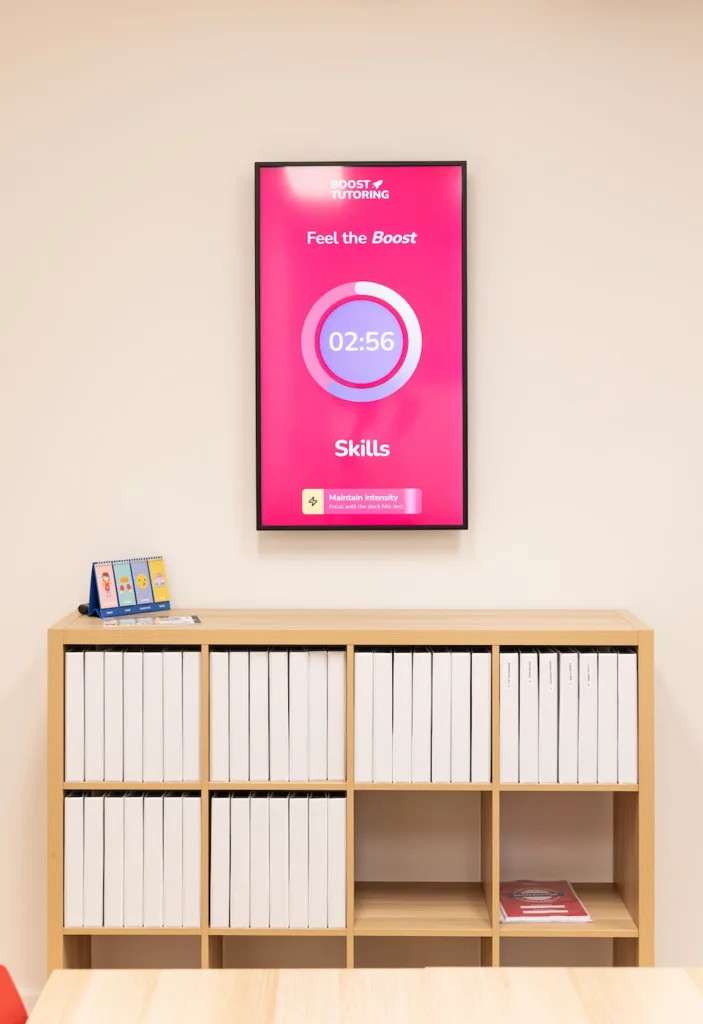
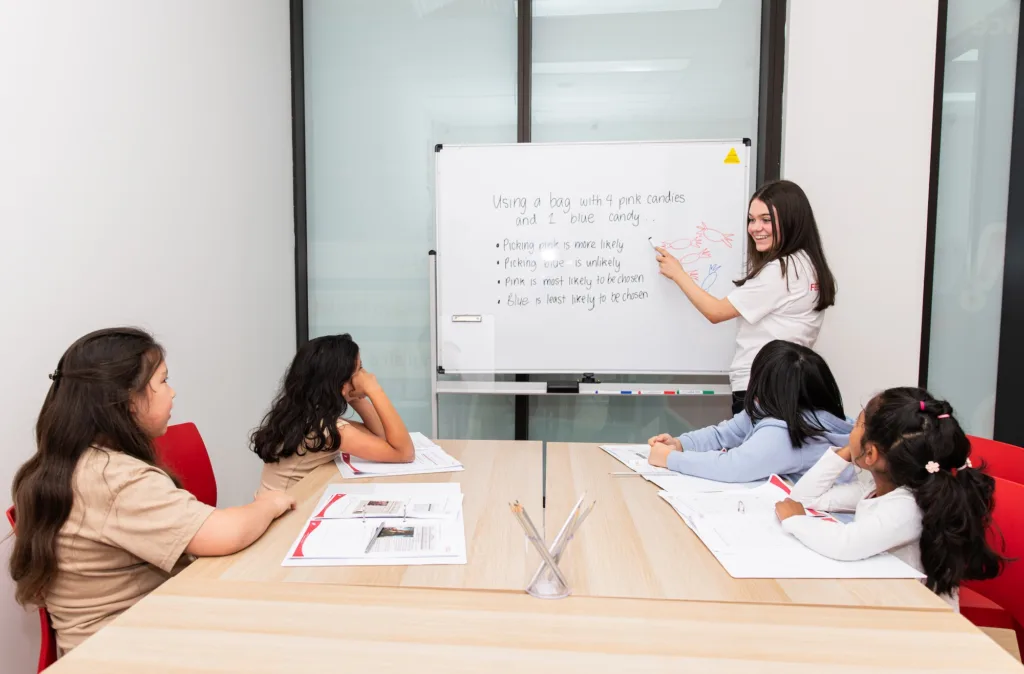
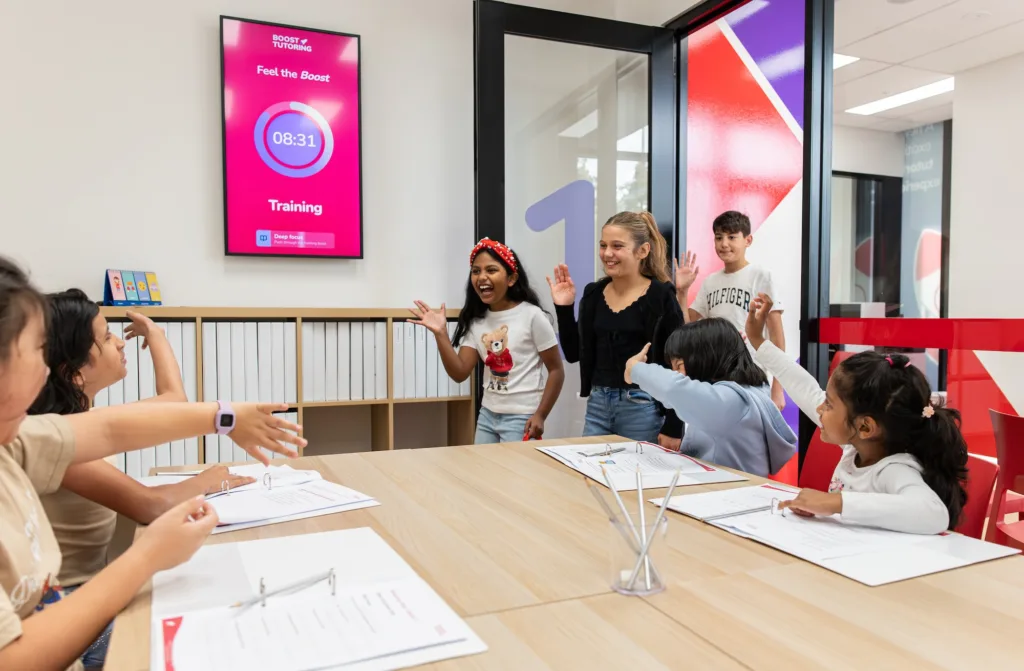
Most of the readiness is built well before NAPLAN is on anyone’s mind, through the reading, writing and mental maths that every Boost session develops. Sessions run in small groups of six to eight with the same tutor each week, aligned to the NSW syllabus, and each one opens with a few minutes of skills work, then real teaching, then the student working through it themselves until it holds. Prime, Train, Retain. It carries on at home through a short daily worksheet, because at this age a little every day does far more than a lot all at once.
Closer to March, we add some gentle familiarity with the format, so nothing on the day comes as a surprise. By then the real work is long done, and what’s left is simply making sure your child walks in calm.
Year 3 NAPLAN isn’t a hurdle to clear. It’s a snapshot, and your child’s first lesson in what tests feel like. Build the skills steadily, keep the mood calm, and the rest takes care of itself. If you’d like to know where your child actually sits before their first NAPLAN, that’s an easy place to start.
Book a free academic assessment and see exactly where your Year 3 child stands