Most children are capable of loving maths. Most classrooms, at twenty-eight kids deep, are not built to prove that to them. Somewhere in there, your child has a gap in understanding one concept, small enough to stay invisible this term but real enough to matter next. Nobody has the fifteen minutes it would take to notice.
Why Small Group Maths Tutoring Fits the Gap
Most enquiry calls open with the same question: Is one-on-one tutoring the better option? It’s a fair starting point. But a private lesson shares a blind spot with the classroom it’s meant to fix. There’s no other child solving the same problem a different way, sitting right there.
Small group maths tutoring sits in the gap between those two extremes. Small enough for a tutor to catch confusion inside a single session. However, it’s also large enough that your child still hears three or four different ways to reach the same answer, which is often the version that finally clicks.
Most families land on small group tutoring by accident, after one-on-one felt too intense or a bigger class group felt anonymous, rather than choosing it first. This gap matters more than it used to. Under the revised NAPLAN reporting system, roughly one in three Australian students now finish below the proficiency benchmark.
That shift has put targeted maths intervention back on far more families’ radar. A report card confirms a problem months after it started, which makes it a slow warning system. Falling behind isn’t the only pattern worth watching.
Some children go quiet because the work stopped challenging them, and that costs just as much ground as falling behind. The fix is the same either way: a group matched to where your child actually is, not where the calendar says they should be.
What Parents Can Do First
Plenty is possible before any enrolment. Ask your child to talk through a homework problem out loud instead of simply solving it. A shaky explanation is usually the first sign the understanding hasn’t fully landed.
Homework behaviour is worth watching in its own right, apart from schoolwork generally. Sighing, stalling, a familiar “I’ll do it later”: these carry real weight. A child who’s genuinely settled with a subject rarely keeps that pattern up week after week.
Once these signs feel familiar, it’s worth reading what to look for in maths tutoring before committing to a program. Group size and student matching matter.
A school report only tells part of the story. A “working towards” grade next to a slipping NAPLAN band deserves a proper look rather than a passing glance. A classroom teacher is often the first useful call, well before any tutoring decision gets made.
They watch a full year group move through the same content and can usually say whether a wobble is ordinary for the age or something worth tracking.
When Home Encouragement Isn’t Enough
There’s a point where home encouragement stops being enough, and it’s worth naming honestly. You can spot a stalled worksheet easily. You usually can’t spot a misunderstanding that’s three lessons old and quietly compounding.
A recent set of randomised trials picked up on that pattern directly. Carefully designed small-group maths instruction measurably improved outcomes for lower-achieving students. It also landed at a lower cost than one-on-one lessons, largely because classmates end up carrying part of the teaching load themselves.
This is the reason structured weekly tutoring generally beats the occasional homework session. A small gap gets caught before it triples.
There’s a second, quieter reason families move on from home help. Once maths homework has turned into a nightly standoff, a parent’s patience is rarely the thing that’s actually missing.
A Sunday afternoon cram session rarely fixes a gap that took weeks to form. It treats the symptom while the pattern underneath stays put.
How to Know It’s Working
The first signs rarely show up in marks. They show up in behaviour, usually weeks before a report card catches up. A child who starts asking questions in class, who used to sit quietly rather than risk being wrong, is one of the clearest signals there is.
So is a homework session that stops being a fight.
Give it a full term before judging results on paper. A handful of sessions won’t move a mark. Consistent attendance across ten or twelve weeks usually will.
Asking the tutor what they’re actually noticing beats requesting a general update. Feedback tied to a specific topic tells you far more than a vague “going well.”
How We Approach Small Group Maths Tutoring
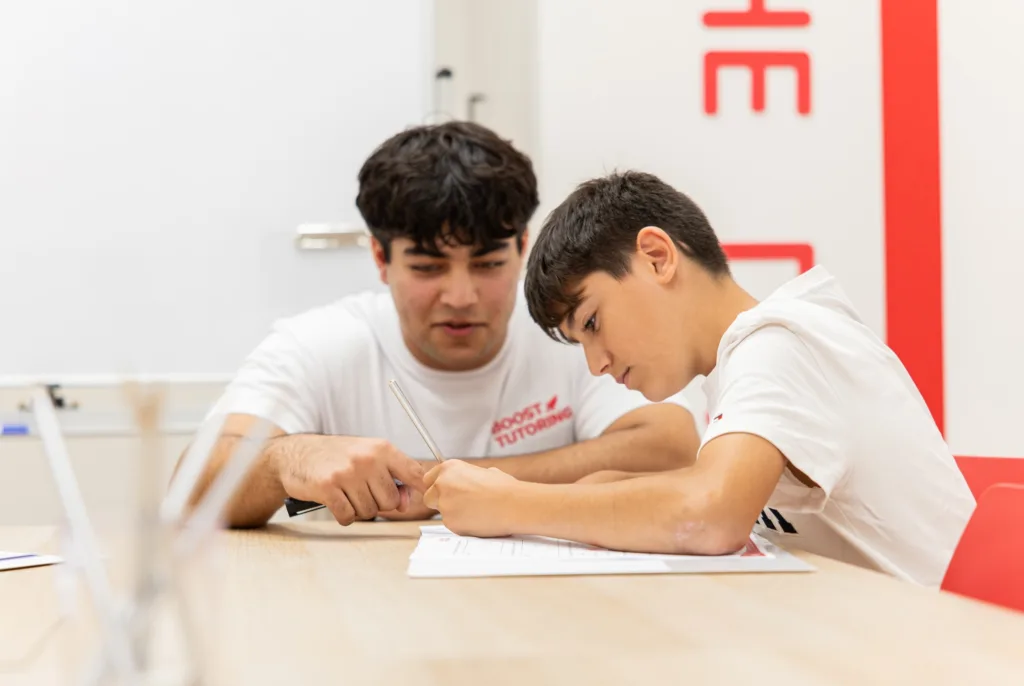
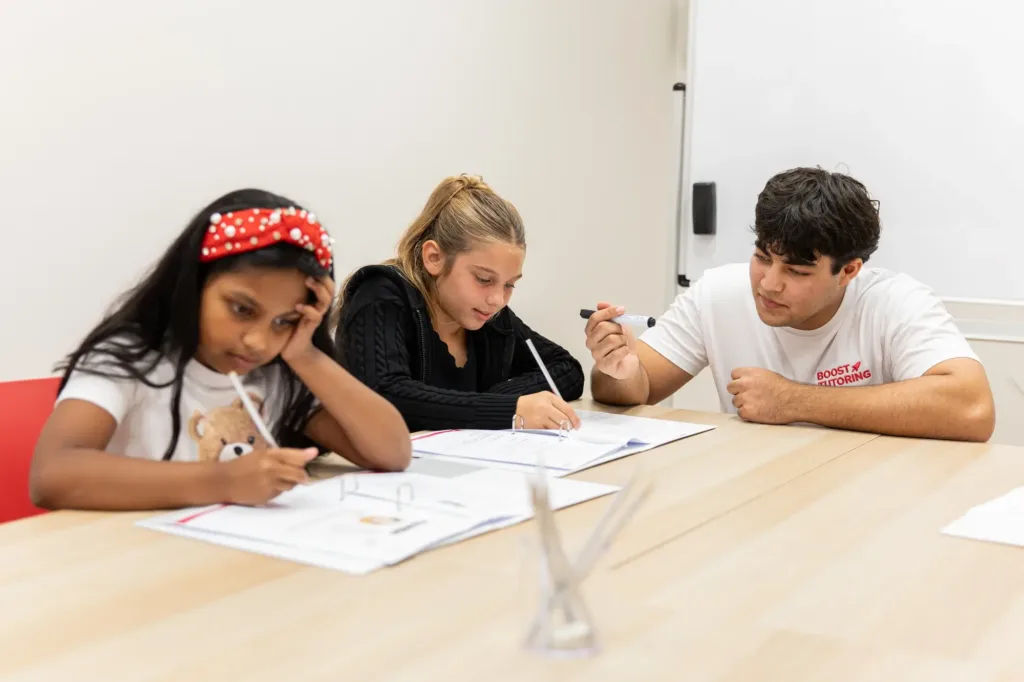
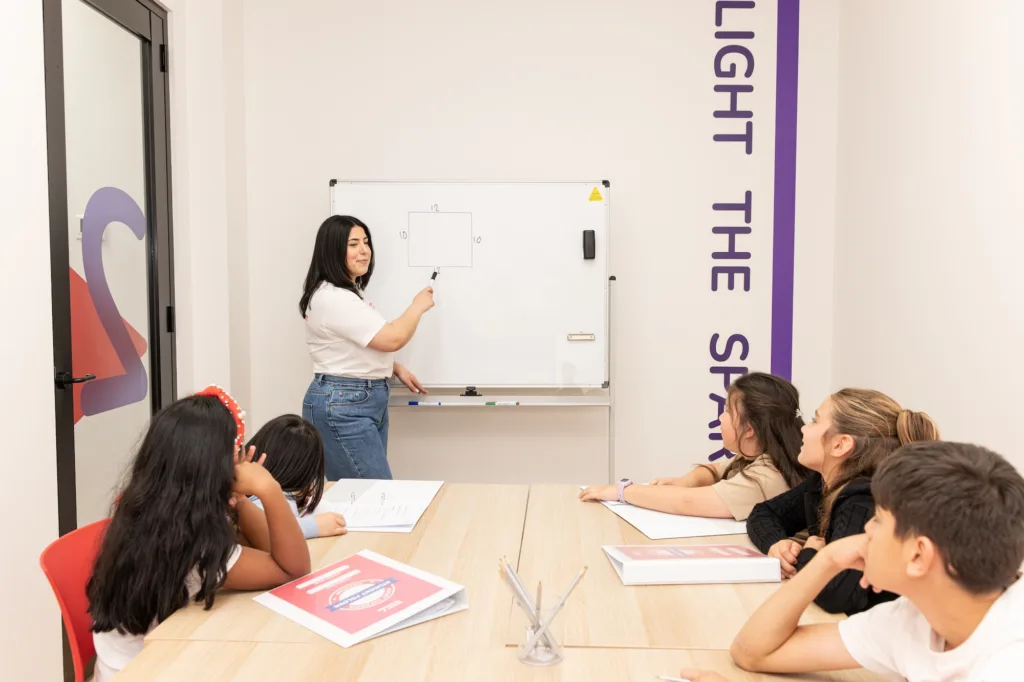
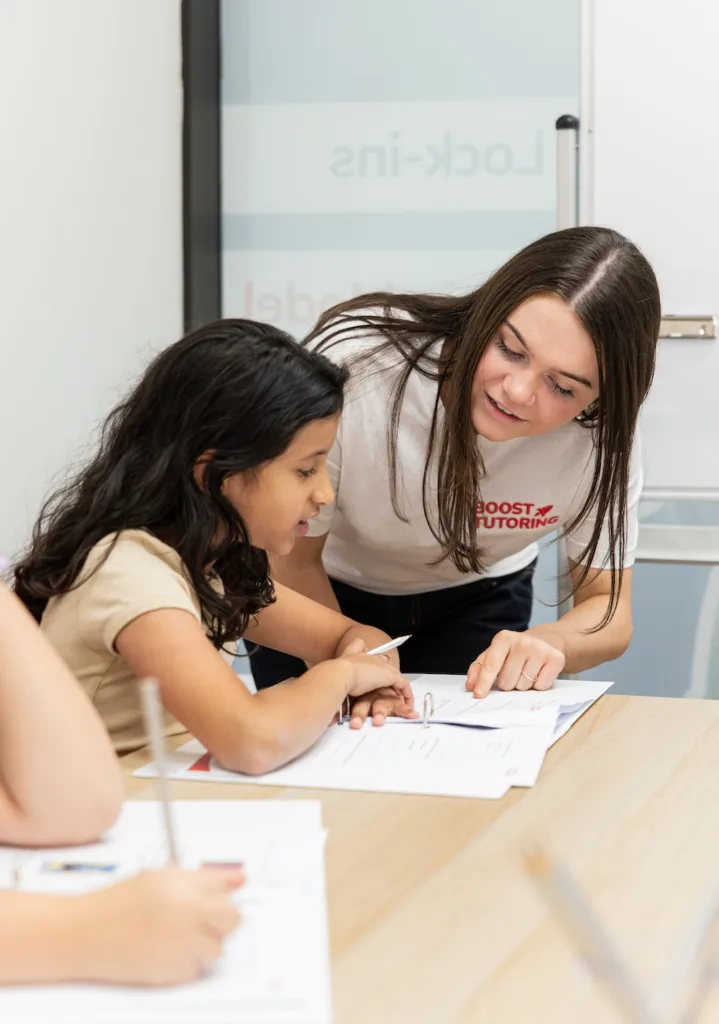
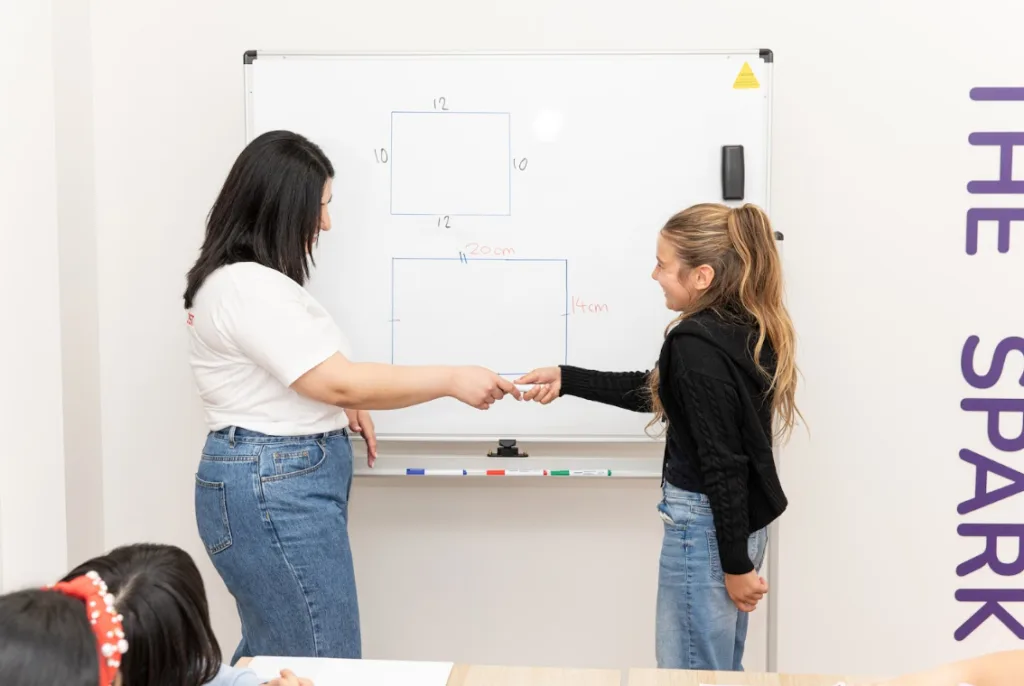
At Boost Tutoring groups run between six and eight students, with the same tutor every week. That’s small enough for a fifteen-minute gap to actually get noticed.
Every maths program follows the Boost Method: Assess, Plan, Coach, Review. Students are placed by current understanding, not just year level.
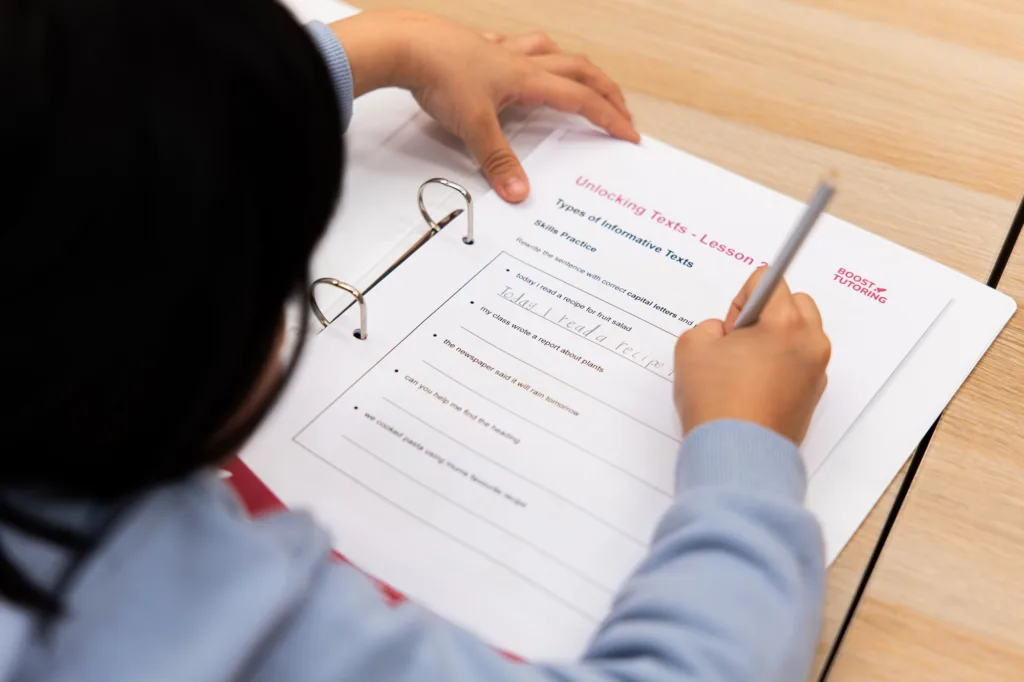
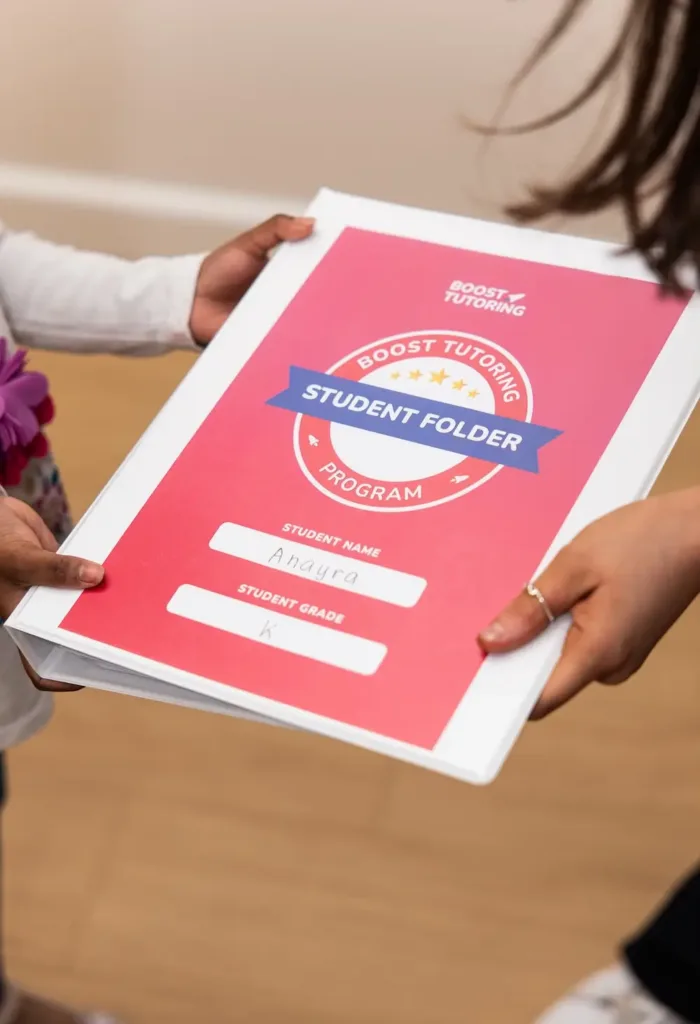
Each one takes home a short daily worksheet revisiting exactly what the session covered.
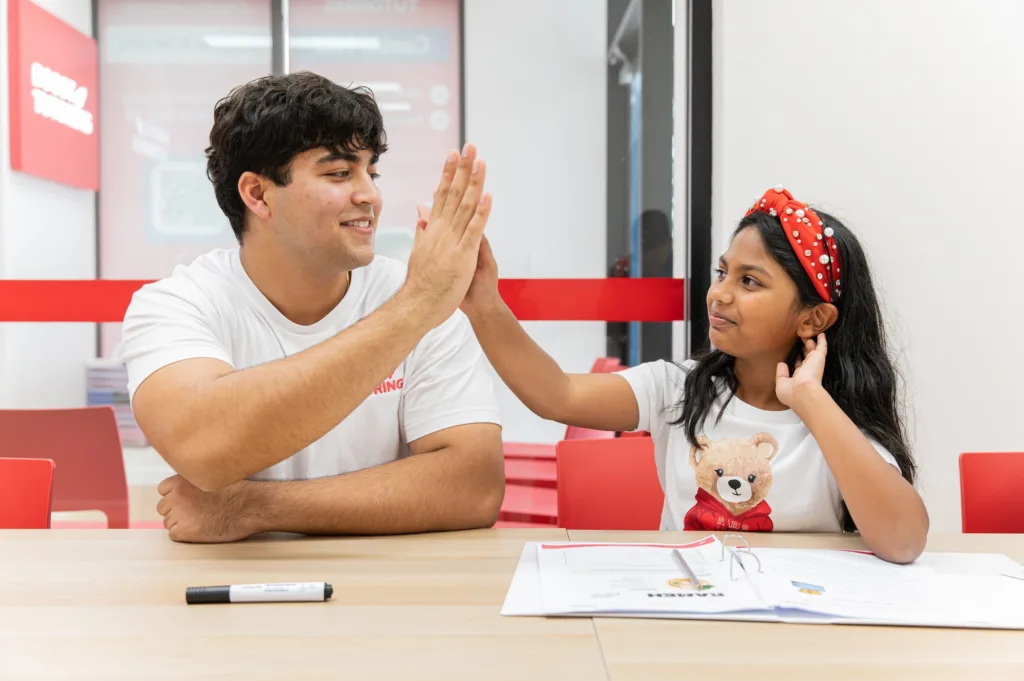
Same tutor, same group, every week means less time re-explaining where a student’s understanding actually sits, and more time moving it forward.
A well-run small group depends on features one review of Australian tutoring programs kept coming back to: frequent sessions, evidence-based instruction, and progress that’s actually monitored.
Our services are built around exactly that structure, rather than bolted onto it afterwards.
Falling behind in maths rarely happens overnight, and catching up rarely does either. Steady, well-matched support is what closes a gap for good.
We keep groups small enough to notice the gap and structured enough to close it. Click here to get a free assessment in Boost Tutoring Australia and see exactly where your child stands.