If you’re thinking about tutoring for a primary-aged child, you probably have a few quiet reservations. Will it feel like more school piled on top of school? Will it stress a young child out? What actually happens in a session, and will it even make a difference at this age? These are fair questions, and the answers aren’t what many parents expect. Good primary tutoring looks quite different from the extra-homework factory some people imagine.
Here’s what to expect from primary tutoring in Castle Hill, so you can decide whether it’s right for your child with a clear picture rather than a guess.
What Primary Tutoring Actually Focuses On
The first thing to understand is what primary tutoring is for, because it shapes everything else, and it’s not what parents often assume.
At primary age, good tutoring isn’t about cramming ahead or drilling for exams. It’s about foundations and confidence. The goal is to make sure the building blocks, reading and comprehension, number sense and times tables, writing a clear sentence and then a paragraph, are genuinely solid, because these are what everything in high school and beyond is built on. Get them right and the later years are far easier.
Confidence is just as central. A young child who feels capable keeps trying; one who’s decided they’re “bad at maths” stops. A big part of primary tutoring is protecting and building that belief, catching a wobble before it becomes a fixed idea. At this age, how a child feels about a subject matters almost as much as what they know.
So what to expect, in terms of focus, is foundations and confidence, not pressure and acceleration. If a tutoring option for a young child is all about racing ahead and relentless drilling, it’s the wrong fit for what primary is actually for.
What a Session Actually Looks Like
A lot of the worry about primary tutoring comes from not knowing what a session involves, so here’s roughly what to expect.
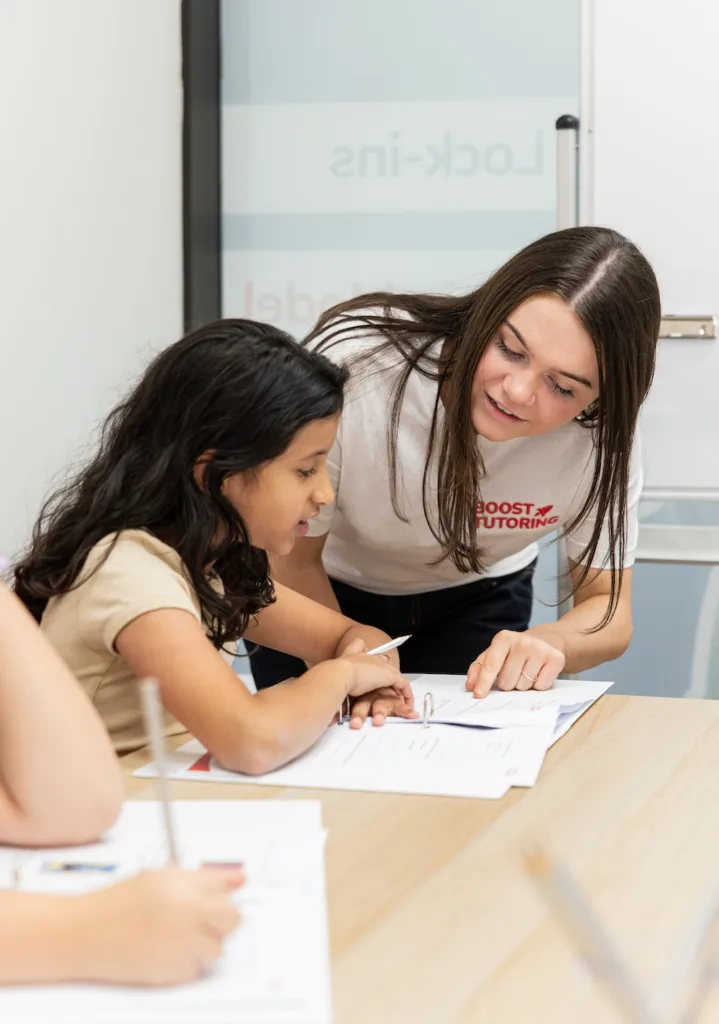
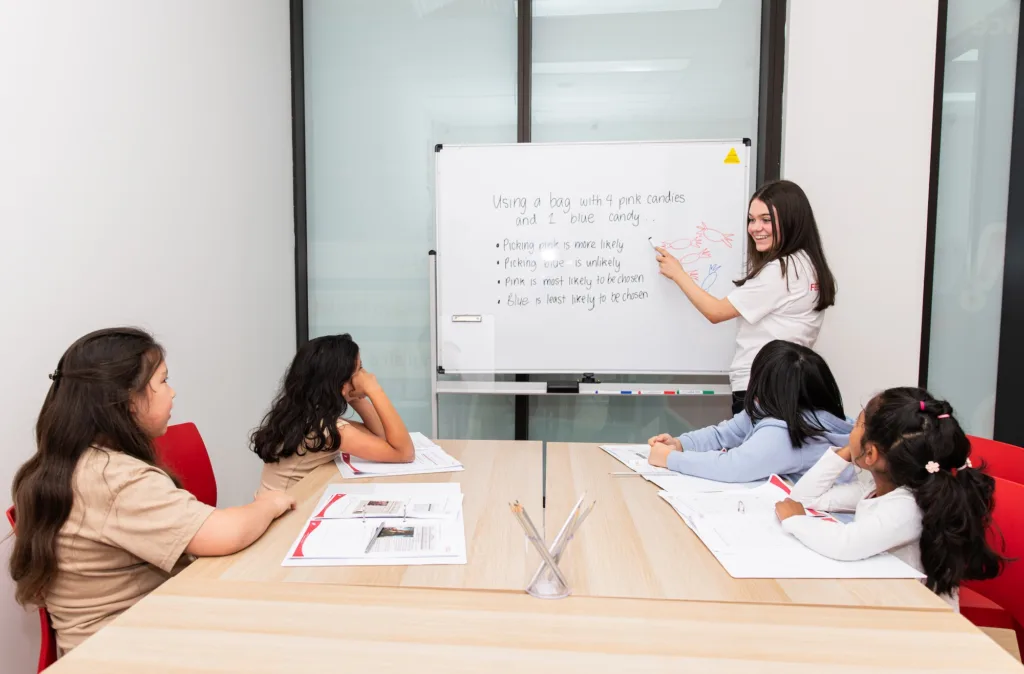
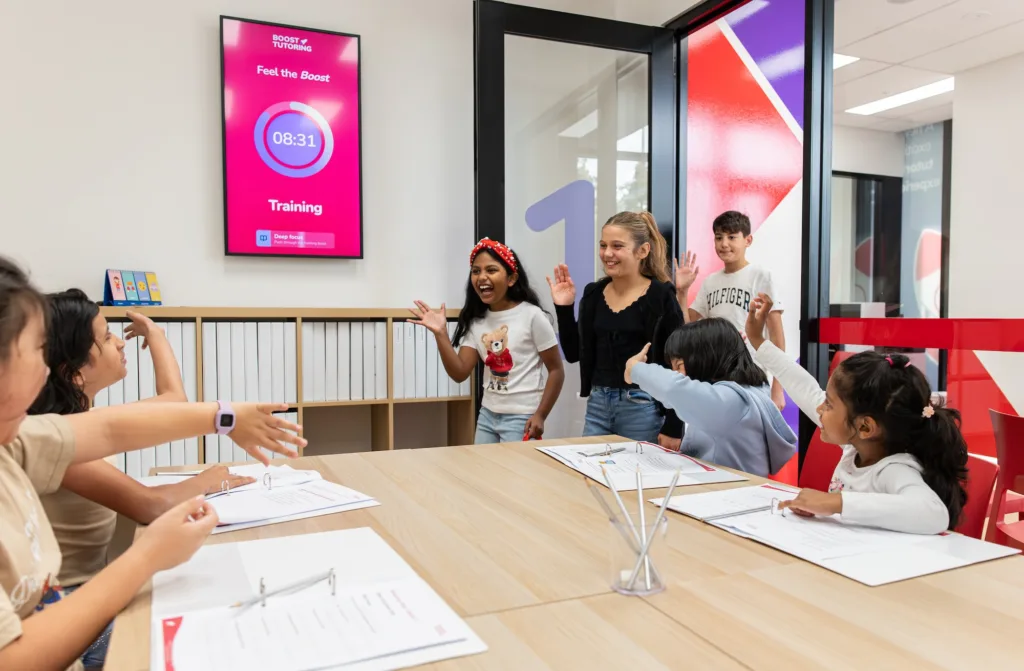
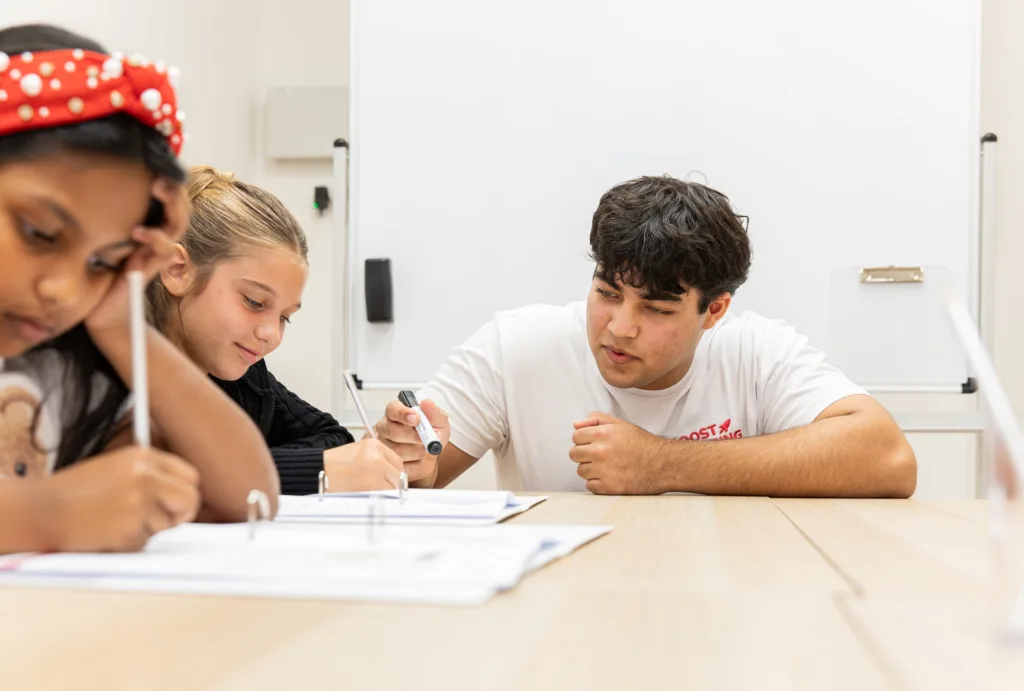
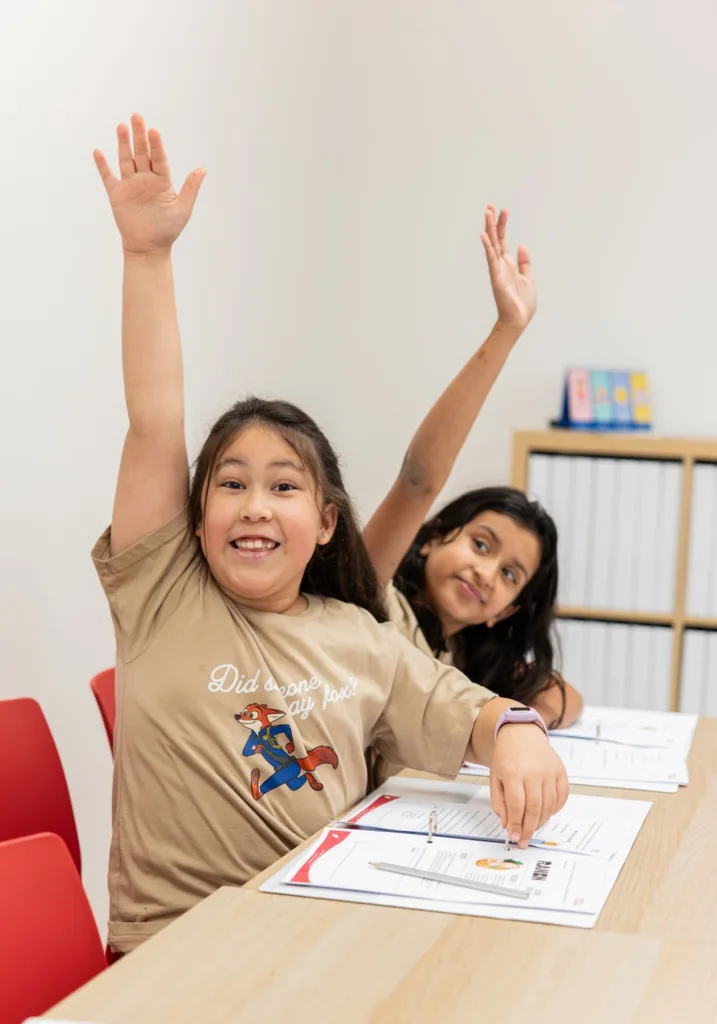
A good primary session is not a mini-classroom, nor an hour of silent worksheets. It’s small, a handful of children with one tutor, so your child is known and helped individually rather than lost in a crowd. It’s active and engaging, pitched to keep a young child’s attention rather than expecting them to sit still and grind. And it’s taught, meaning a tutor actually explaining and working through things, not just supervising homework.
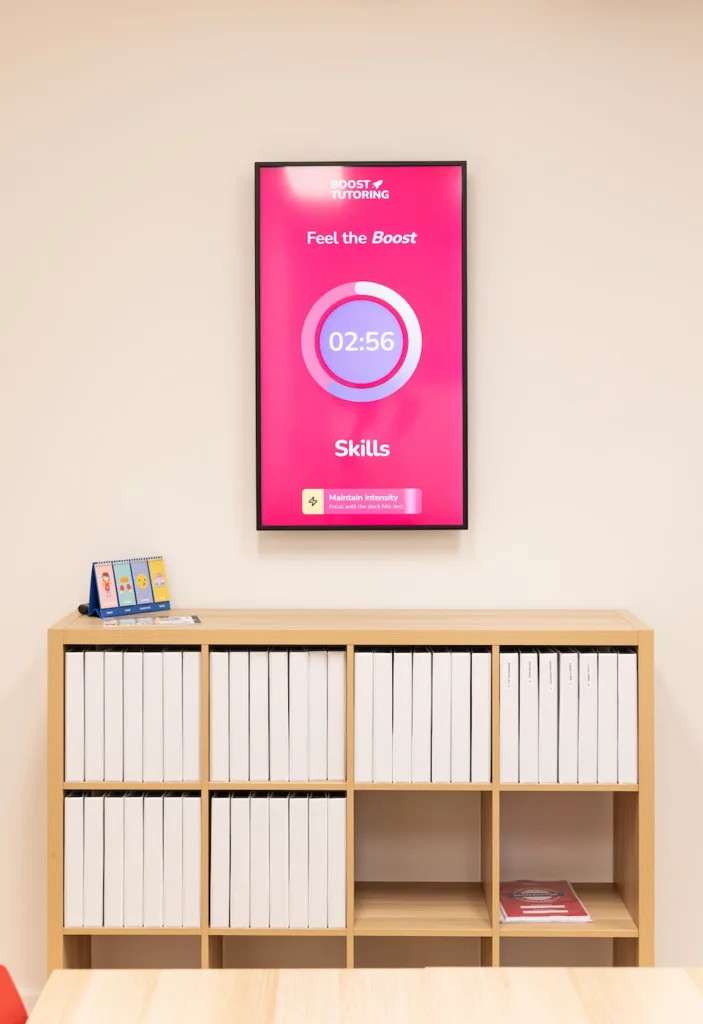
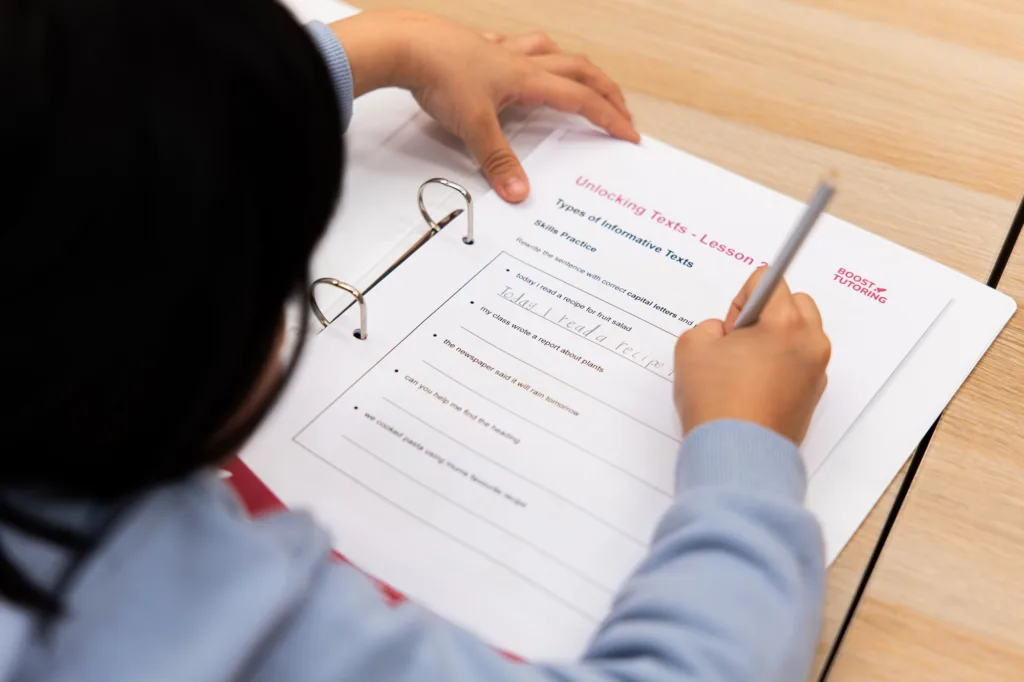
The hour usually has a shape to it: a few minutes of quick skills work to warm up, then teaching of the actual content, then the child practising it themselves with the tutor close by. That variety suits how young children concentrate, in bursts rather than one long stretch, and it keeps the session from feeling like a slog.
What your child should come out feeling is not stressed or deflated, but reasonably positive, like they’ve been helped and have got somewhere. If a young child dreads going, something’s wrong, because primary tutoring done well is not something a child should fear.
What to Expect, and When
It’s worth having realistic expectations about results, because primary progress is real but quieter than parents sometimes hope.
Don’t expect the marks to jump immediately. At primary age especially, the first things to change are underneath the grades: a child who’s more confident, more willing to have a go, who understands something that didn’t make sense before, who complains less about a subject. That’s genuine progress, and it comes first, often well before any report reflects it.
Expect it to take a little time. Foundations are built steadily, not overnight, and the value compounds over months and years rather than appearing in a fortnight. A parent watching only for a quick mark jump may miss the real progress happening underneath.
And expect to stay involved, lightly. Good primary tutoring doesn’t replace your role; it supports it. You’ll still read with your child, encourage them, and keep an eye on things. What changes is that the teaching, and the consistency, is taken off your plate.
How We Do Primary Tutoring in Castle Hill
At Boost, Boost Primary covers the K to 6 years, and it’s built around exactly what primary is for: foundations and confidence.
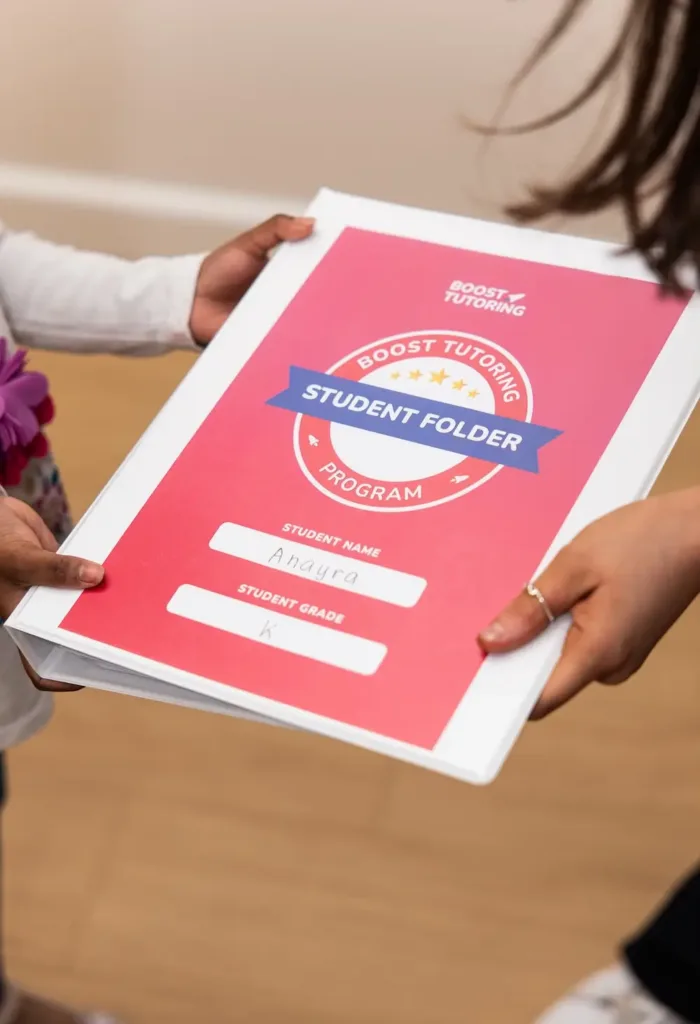
We start by working out where your child actually sits, so you know from the outset what’s solid and what needs attention. Sessions run in small groups of six to eight with the same tutor each week, in maths and English, aligned to the NSW syllabus. Each one opens with a few minutes of skills work, then real teaching, then the child working through it themselves until it holds. Prime, Train, Retain. It carries on at home through a short daily worksheet, a few minutes a day, because at this age little and often does far more than long sessions.
What to expect, overall, is a young child who’s steadily getting more solid and more confident, in an environment that feels encouraging rather than pressured. That’s what primary tutoring should be.
Primary tutoring isn’t extra school, and it shouldn’t feel like it. Done well, it’s steady work on the foundations and the confidence that everything later is built on, in a setting a young child is happy to be in. Expect quiet progress before big marks, expect it to take a little time, and expect it to feel positive. The place to start is finding out where your child actually sits.
Book a free academic assessment and find out where your primary-aged child actually sits