Plenty of Castle Hill parents would happily get their child some help with NAPLAN, but hold back for one reason: they don’t want to turn a low-stakes check-up into a source of stress. The worry is understandable. You’ve seen the practice-book arms race, the kids drilled for months, and the last thing you want is to add pressure to an eight or ten-year-old over a test that isn’t meant to carry any. So you do nothing, and hope for the best.
There’s a middle path. NAPLAN support doesn’t have to mean pressure, and done properly it actually reduces a child’s stress rather than adding to it. Here’s what low-pressure NAPLAN tutoring in Castle Hill looks like, and why the right kind of help makes the whole thing calmer.
The Worry: Won’t Help Just Make It Worse?
The fear is reasonable, because a lot of what passes for NAPLAN preparation genuinely does make it worse.
When “prep” means months of practice papers, timed drills, and a child being told, implicitly or openly, how much is riding on the result, it manufactures anxiety where there needn’t be any. A child who wasn’t worried about NAPLAN learns to be, because the adults around them clearly are. That’s the version of NAPLAN help every sensible parent wants to avoid, and avoiding it is right.
But that’s one kind of help, not the only kind. The drilling-and-pressure approach is a choice, and a poor one. There’s a completely different way to support a child through NAPLAN, and it has the opposite effect.
Good NAPLAN Support Lowers the Pressure, Not Raises It
Here’s the part that surprises parents: the right kind of help makes NAPLAN less stressful, not more.
The thing that actually makes children anxious in a test is the unknown. Not knowing what the test looks like, what the questions will be, how long they’ll have, what’s expected. A child walking into something unfamiliar is far more nervous than one who knows exactly what to expect. So a little familiarity, calmly done, doesn’t add pressure; it removes it, by taking the mystery out of the day.
The same goes for the content. A child who’s quietly confident in their reading and maths isn’t worried about a test of reading and maths. The nerves come from feeling unprepared, not from being prepared. Steady, low-key support that leaves a child feeling capable is one of the best things you can do for their composure on the day.
So the choice isn’t really between pressure and doing nothing. It’s between the pressured kind of help, which you should avoid, and the calm kind, which actually leaves a child steadier than no help at all.
What Low-Pressure NAPLAN Support Looks Like
In practice, low-pressure NAPLAN support is quiet and steady, and it looks almost nothing like cramming.
It’s built on foundations, year-round. Most of the readiness is just a child who reads, writes and practises maths regularly, developed calmly over time, not in a panic before the test. This is the opposite of pressure; it’s ordinary good learning.
It adds a little familiarity, lightly, and close to the test. A few goes at the question types and the format, so the day holds no surprises. A handful, not a stack.
And it keeps the tone calm throughout. Good support treats NAPLAN as the routine check-up it is, never as a high-stakes event, because the adults’ attitude sets the child’s.
What it avoids is the drilling, the endless practice papers, and any suggestion to the child that the result defines them. That’s the pressure you were right to worry about, and it’s simply not part of a sensible approach.
How We Approach NAPLAN Tutoring in Castle Hill
At Boost, we support students through NAPLAN the low-pressure way, because we think that’s both kinder and more effective.
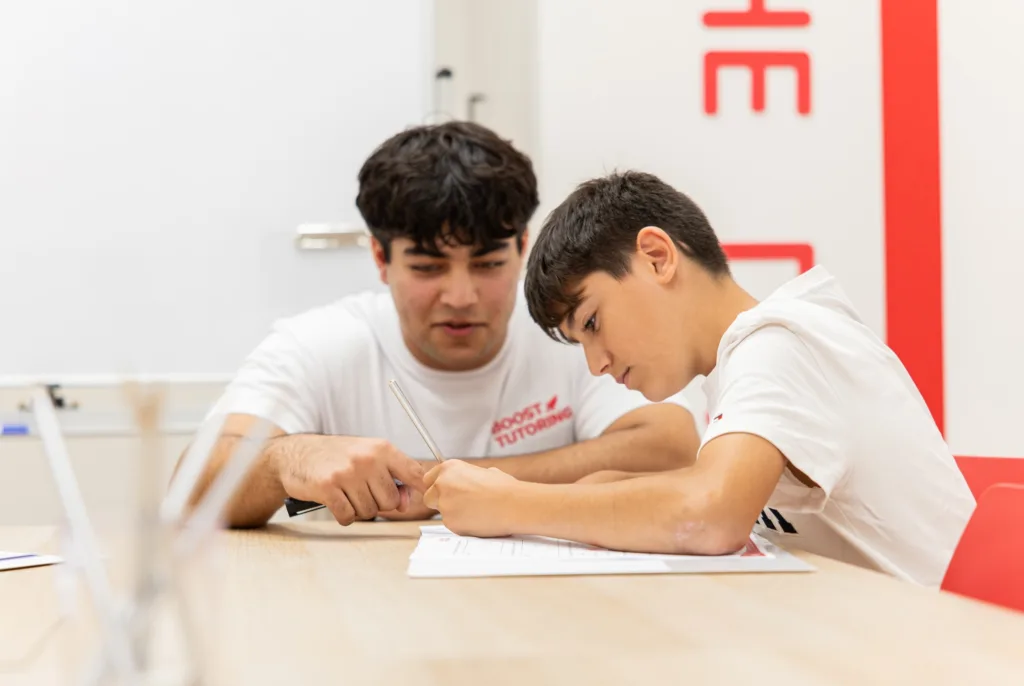
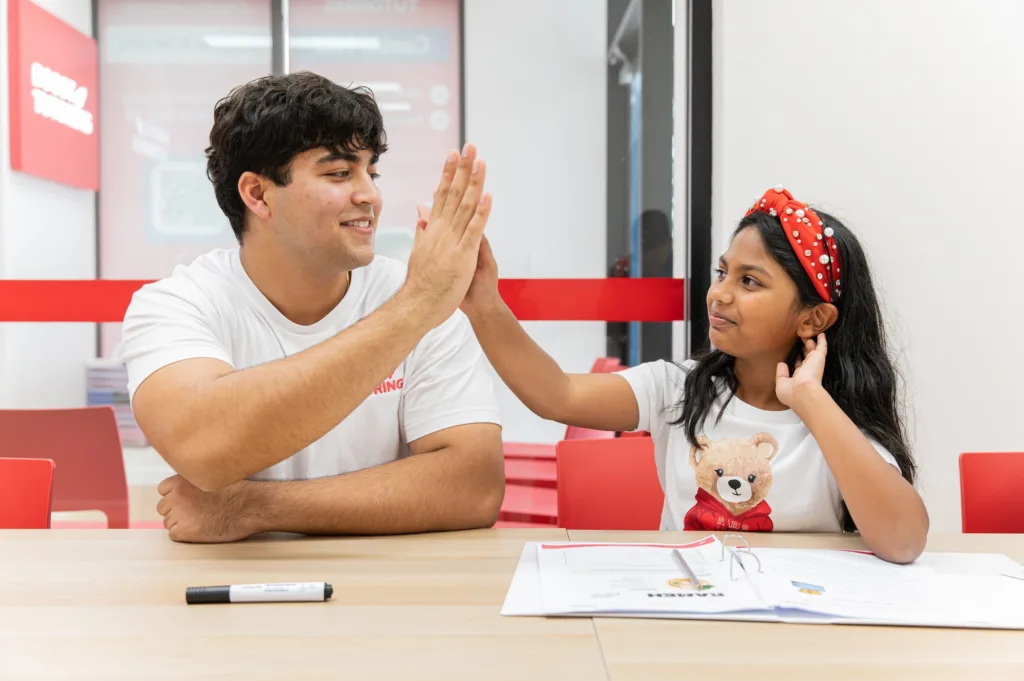
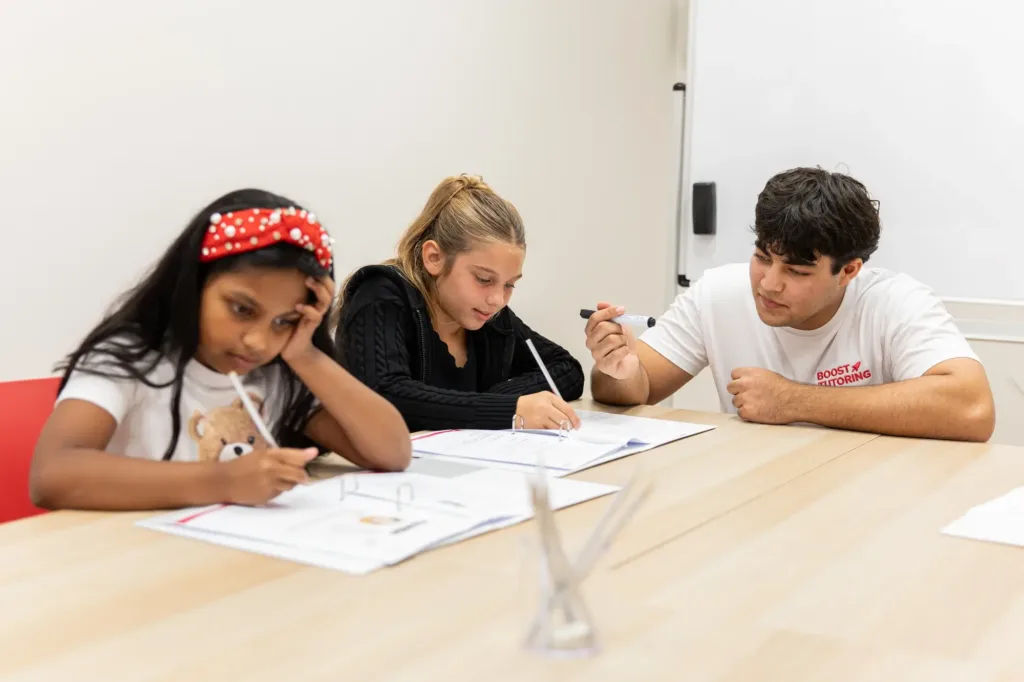
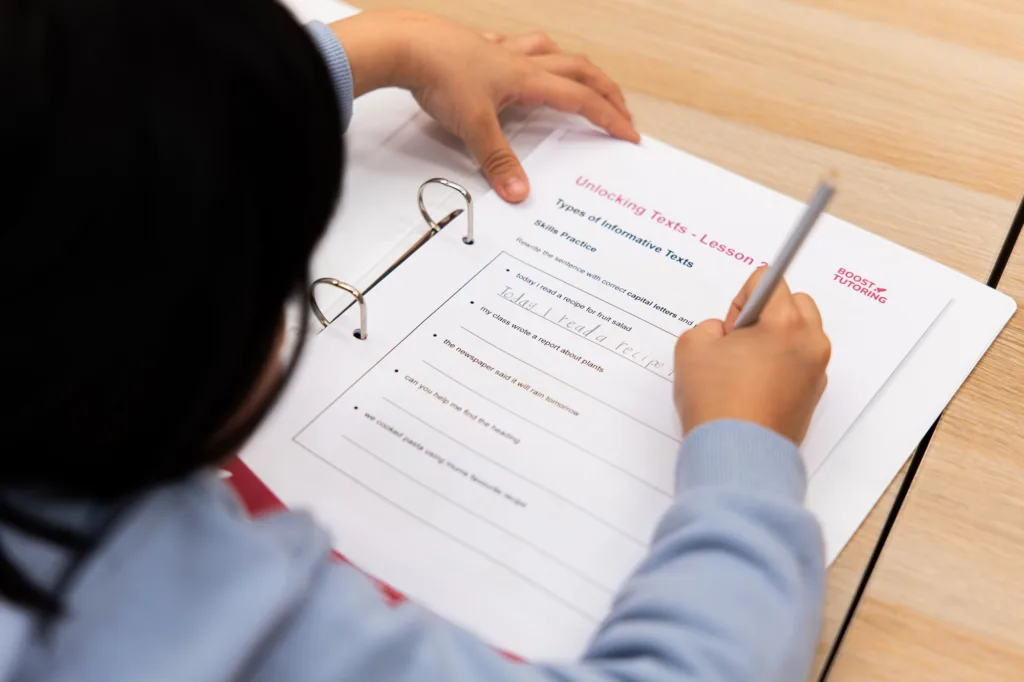
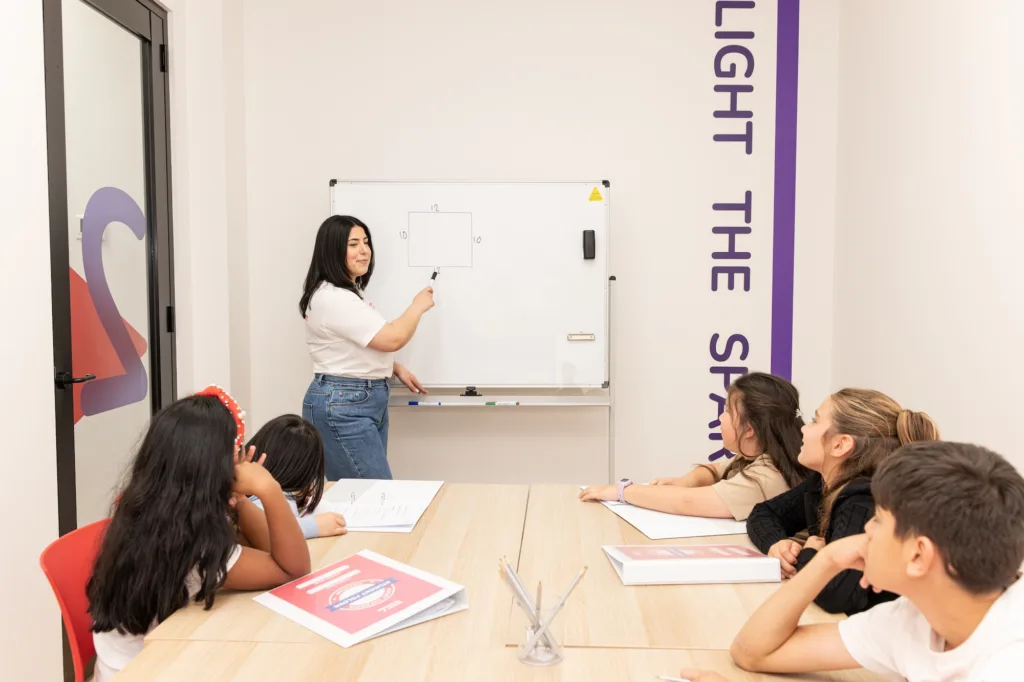
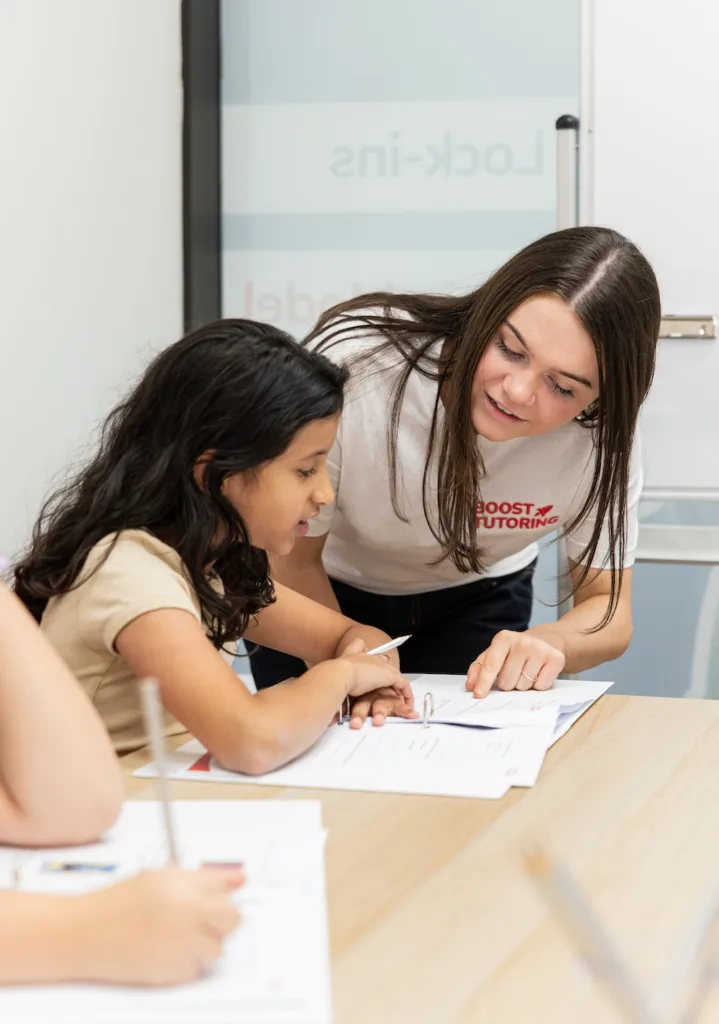
Most of the work is the steady, year-round kind, the reading, writing and mental maths that every session develops, built calmly rather than crammed. Sessions run in small groups of six to eight with the same tutor each week, aligned to the NSW syllabus, built around Prime, Train, Retain, with short daily practice at home. Closer to the test, we add some gentle familiarity with the format, so nothing’s a surprise. There’s no drilling, no manufactured urgency, and nothing that tells a child this one morning matters more than it does.
The result is a child who walks into NAPLAN prepared and calm, which is exactly the combination that lets them do themselves justice, and the opposite of the stressed, over-drilled child every parent is trying to avoid.
You don’t have to choose between stressing your child out over NAPLAN and leaving them to face it cold. The right support does neither. It builds quiet confidence and a bit of familiarity, calmly, which leaves a child steadier on the day, not more anxious. If you’d like to start without any pressure, the simplest first step is just finding out where your child sits.
Book a free academic assessment, a calm, no-pressure first step