
A first tutoring session can feel daunting from both sides. Your child might be nervous, new place, new person, and the quiet fear of looking like they don’t know things. And you might be anxious too, wondering whether they’ll take to it, whether the tutor’s any good, whether this is going to work. A lot of that worry comes simply from not knowing what to expect.
So here’s what actually happens at a first tutoring session in Castle Hill, how to prepare your child for it, and what a good one should feel like, so you both walk in knowing what’s coming.
What Actually Happens at a First Session
The first thing to know is that a good first session is not a dive straight into hard work. Nobody hands a child a stack of difficult problems on day one. It’s gentler and more useful than that.
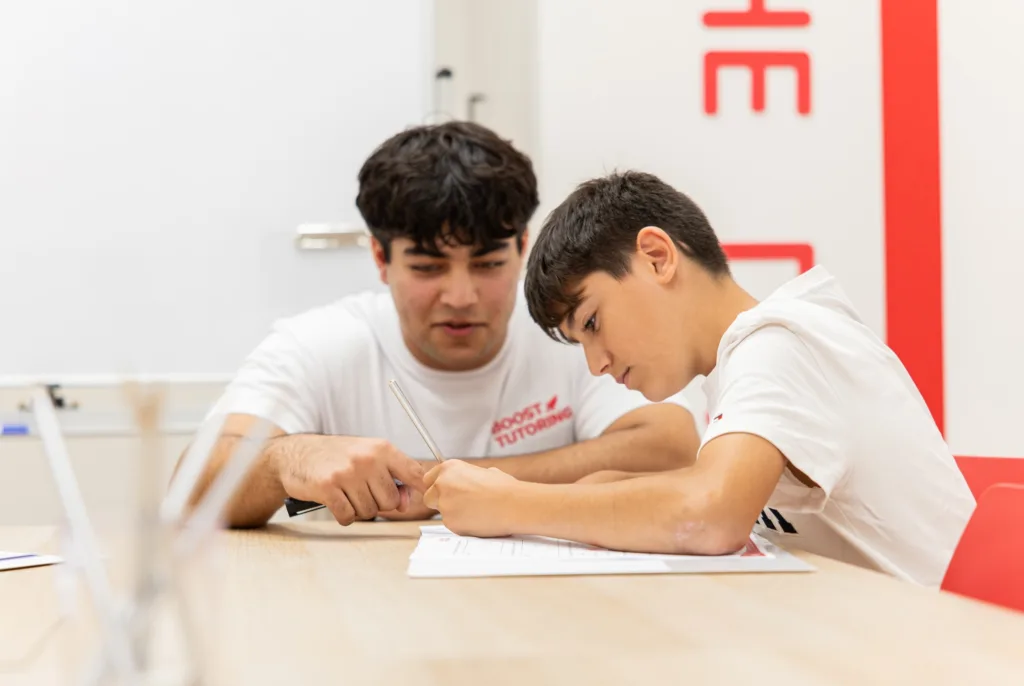
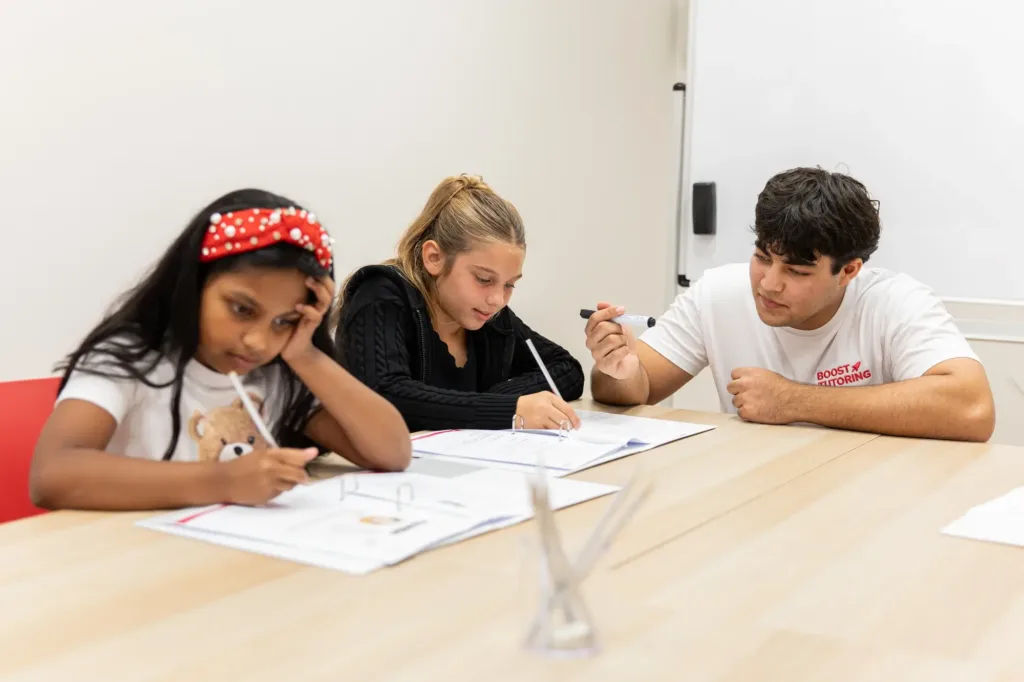
A good first session is largely about getting to know your child, in two senses. The tutor is working out where your child actually sits academically, which topics are solid, which are shaky, where any gaps are, because you can’t teach well without knowing the starting point. And they’re getting to know your child as a person, how they learn, what they find hard, how confident they are, which matters just as much.
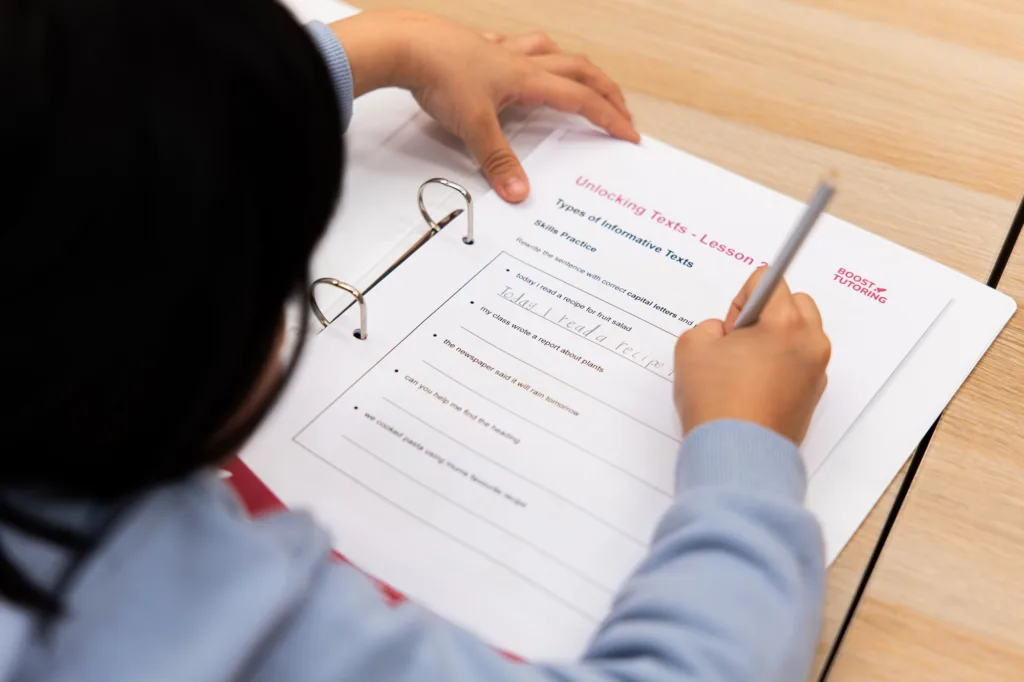
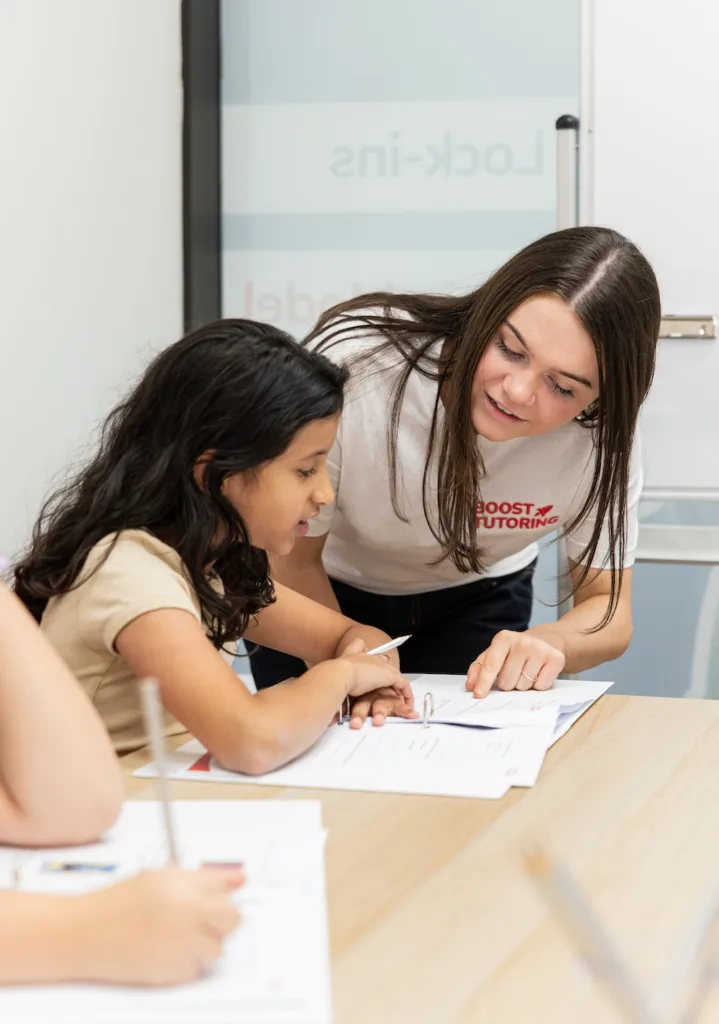
That often involves some assessment, but a good one doesn’t feel like a test. It’s usually a mix of questions and gentle work that lets the tutor see where your child is without putting them under pressure. There’ll be some actual teaching or working through things too, so the child gets a feel for what sessions will be like.
What the first session mostly isn’t is a dramatic, demanding hour. It’s a settling-in and finding-your-feet session, which is exactly what it should be.
How to Prepare Your Child
How you set a child up for a first session makes a real difference to how it goes.
Keep it low-key and positive. Frame it as getting some help, or a chance to get better at something, not as a big deal or, worse, a punishment for poor marks. A child who arrives thinking they’re in trouble is a child who’ll be defensive and closed off.
Reassure them it’s not a test they can fail. The most common worry a child has is looking stupid. Letting them know the tutor just wants to see what they can already do, and that getting things wrong is completely fine and even helpful, takes the pressure off.
Don’t over-build it up. A long, serious conversation about how important this is only raises the stakes in a child’s mind. A light, matter-of-fact “you’ve got your first session today, I think you’ll like it” works far better.
And keep your own nerves to yourself. If you’re anxious about whether it’ll work, your child will pick up on it. Calm is contagious, and so is worry.
What a Good First Session Feels Like
You’ll learn a lot from how the first session goes, so it’s worth knowing what good looks like.
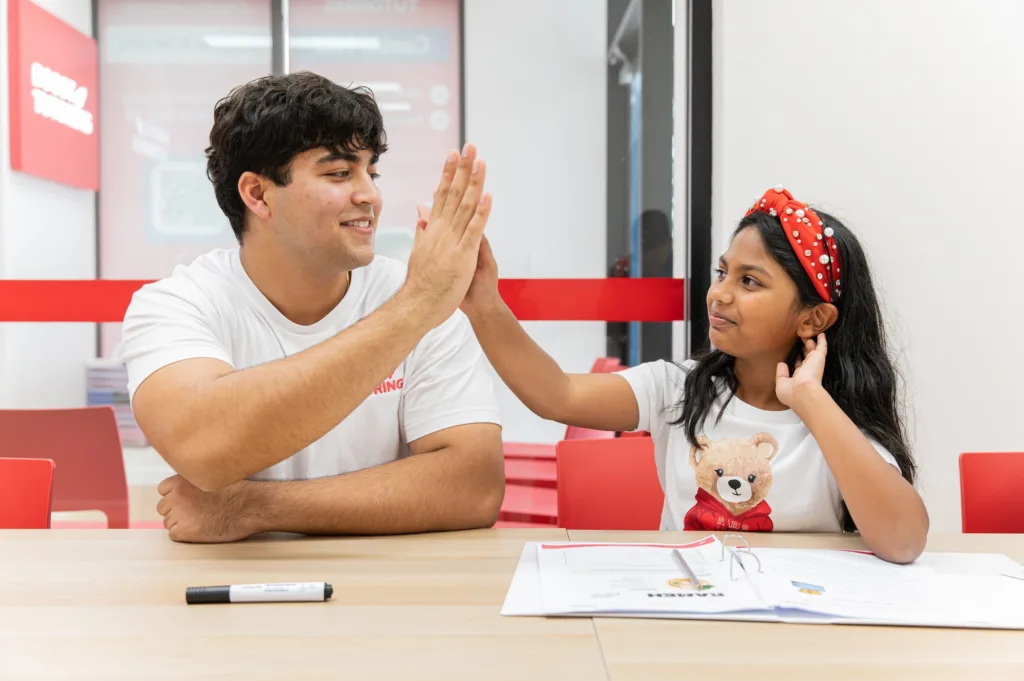
Your child should come out comfortable, not deflated. A first session done well leaves a child feeling they’ve been helped and that it wasn’t scary, even if the work was hard. A child who comes out upset or demoralised is a warning sign.
The tutor should have something specific to say. After even one session, a good tutor can tell you something concrete about your child, what they noticed, where the gaps seem to be, what they’d work on. A vague “yeah, they did well” with no detail suggests nobody was really paying attention.
The fit should feel right. Did your child seem comfortable with the tutor? Did they engage? A good relationship between child and tutor is one of the biggest predictors of whether tutoring works, and you’ll often get an early read on it from the first session.
If all three of those are there, it’s a promising start. If your child was miserable, or the tutor had nothing specific to say, that’s worth paying attention to.
What to Expect at Your First Session in Castle Hill
At Boost, the first step is a free academic assessment, which is really the getting-to-know-your-child session described above. It’s relaxed, not a test to pass, and it works out exactly where your child sits so there’s a clear starting point, while giving you a feel for how we work.
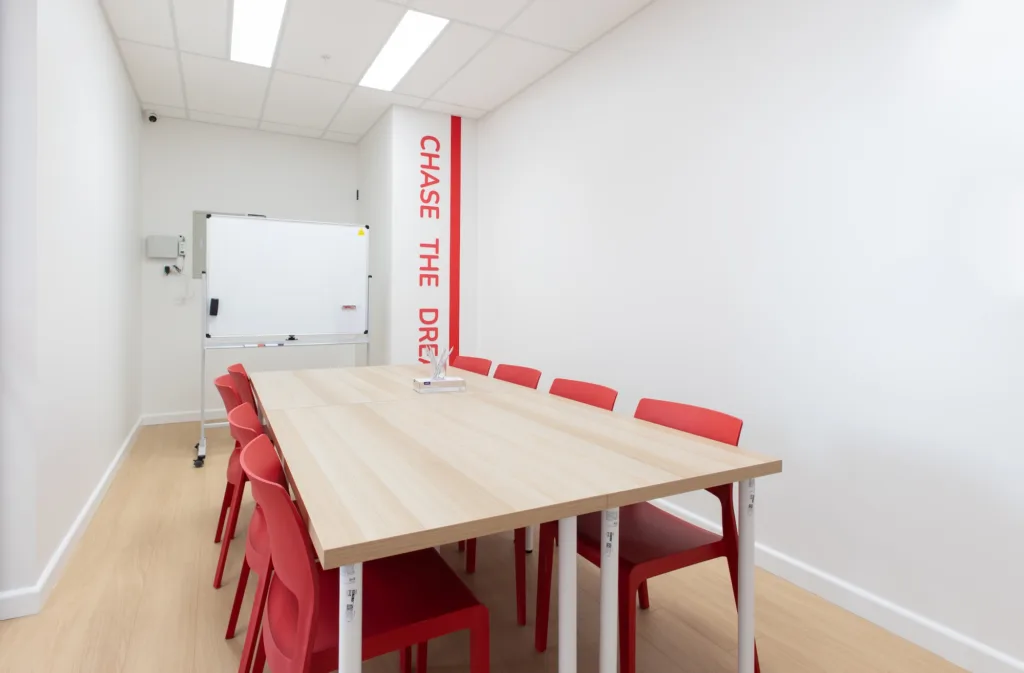
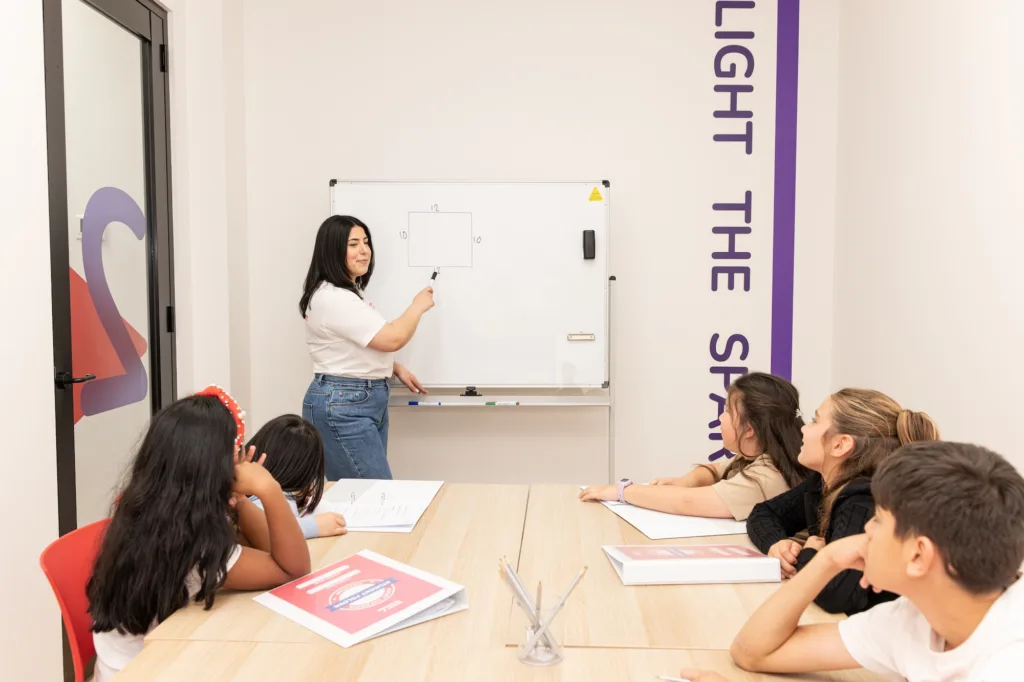
From there, regular sessions run in small groups of six to eight with the same tutor each week, aligned to the NSW syllabus, built around Prime, Train, Retain. Because it’s the same tutor each week, that first relationship has the chance to build rather than resetting with a new face. And because we start by finding where your child actually sits, the teaching is matched to them from the very beginning rather than guessed at.
The aim of a first session is simple: a child who feels comfortable, a clear picture of where they are, and a sense from you that this is going to work. That’s the right way to begin.
A first tutoring session shouldn’t be daunting, for your child or for you. Done well, it’s a relaxed getting-to-know-you that works out where your child stands and leaves them feeling helped, not tested. Prepare them lightly, keep it positive, and watch for a child who comes out comfortable and a tutor who can tell you something specific. The first step is simply booking that first session.
Book a free academic assessment and take the first, no-pressure step