Most families thinking about the Selective test know roughly what their child needs to get better at. What they don’t have is a plan. So preparation becomes a scramble of random practice papers, a stack of workbooks bought in a panic, and the vague sense that they should be doing more, without any real structure to it. That approach burns a child out and still leaves gaps.
Good Selective test prep in the Hills isn’t about doing the most. It’s about doing the right things, in the right order, at a pace a child can sustain. Here’s how to actually plan it.
Start With Where Your Child Sits, Not With a Workbook
The first step in any sensible plan isn’t buying materials or booking practice tests. It’s working out where your child actually stands.
The Selective test has four equally weighted sections, Reading, Mathematical Reasoning, Thinking Skills and Writing, and almost no child is equally strong across all four. Some are confident readers who find the maths reasoning hard. Some are quick with numbers but underprepared for writing. Thinking Skills, which schools don’t teach, is a common blind spot. Until you know which of these describes your child, any plan is a guess.
So the plan starts with an honest read on each of the four sections. That tells you where the work actually needs to go, which is almost never evenly spread. A child already strong in reading doesn’t need more reading practice; they need the time spent on whichever section is weakest. Preparation built on a clear picture is targeted. Preparation built on a workbook is just busywork.
Work Backwards From the Test Date
Once you know where your child sits, the next piece of the plan is time. The Selective test is sat in Year 6, and how far out you start shapes everything about how the plan should look.
If you’re starting a year or more out, the plan should be mostly foundations: wide reading, strong number fluency, and general reasoning, built slowly through ordinary good learning. There’s no need for practice papers this early, and starting them now mostly teaches a child to dread the test. The early months are for building the underlying skills the whole test rests on.
If you’re starting six months out, foundations still matter, but you begin layering in familiarity with the test’s format and question types, particularly for Thinking Skills and Writing, the two sections families most often leave too late.
If you’re starting a few months out, the plan tightens around test-specific practice and timing, assuming the foundations are reasonably in place. If they’re not, that’s worth knowing honestly, because a few months isn’t long enough to build them from scratch, and the plan should be realistic about what’s achievable.
The mistake either way is a plan with no shape, the same anxious practice whether the test is a year away or a month away. The time you have should change what you do.
Decide How Much, and Protect It
A plan that looks good on paper but can’t be sustained is worthless. So the amount of preparation matters as much as the content, and here most families overestimate what’s useful.
A Year 5 or 6 child preparing for Selective doesn’t need hours a day. Short, regular sessions, done consistently across the week, beat long weekend marathons, because little-and-often is how children actually build and hold skills. A sustainable plan might be modest daily practice plus one focused longer session a week, not a schedule that swallows every afternoon.
The reason to keep it modest isn’t just kindness. A child drilled to exhaustion performs worse, not better. They lose confidence, start to dread the work, and carry that dread into the test itself. The plan has to leave room for a child to still be a child, with time for the things that keep them steady. A tired, anxious ten-year-old is not a well-prepared one, however many papers they’ve done.
Protecting the pace is part of the plan, not a departure from it.
Sequence It: Foundations, Then Format, Then Timing
With the where, the when and the how-much settled, the plan has a natural order to it.
Foundations come first and run throughout: the reading, reasoning and number fluency the whole test depends on. These are built slowly and never really stop, even as the test approaches.
Format familiarity comes next: getting to know the four sections, the question types, and the computer-based format, so nothing is a surprise. This is also where the often-neglected sections, Thinking Skills and Writing, get the deliberate attention they need. Writing in particular rewards practice across several genres, since the genre isn’t known in advance, plus learning to plan and structure a piece quickly.
Timing comes last: timed practice in the final stretch, enough that the pacing feels familiar, without turning every day into a mock exam. The point is for the clock to feel normal on the day, not to drill under pressure for months.
Run in that order, the plan builds on itself. Run backwards, with timed papers from the start and foundations as an afterthought, it mostly builds anxiety.
How We Plan Selective Prep at Boost
A lot of what makes Selective prep work is simply having this structure, and that’s what we build into Boost Selective for Years 5 and 6.
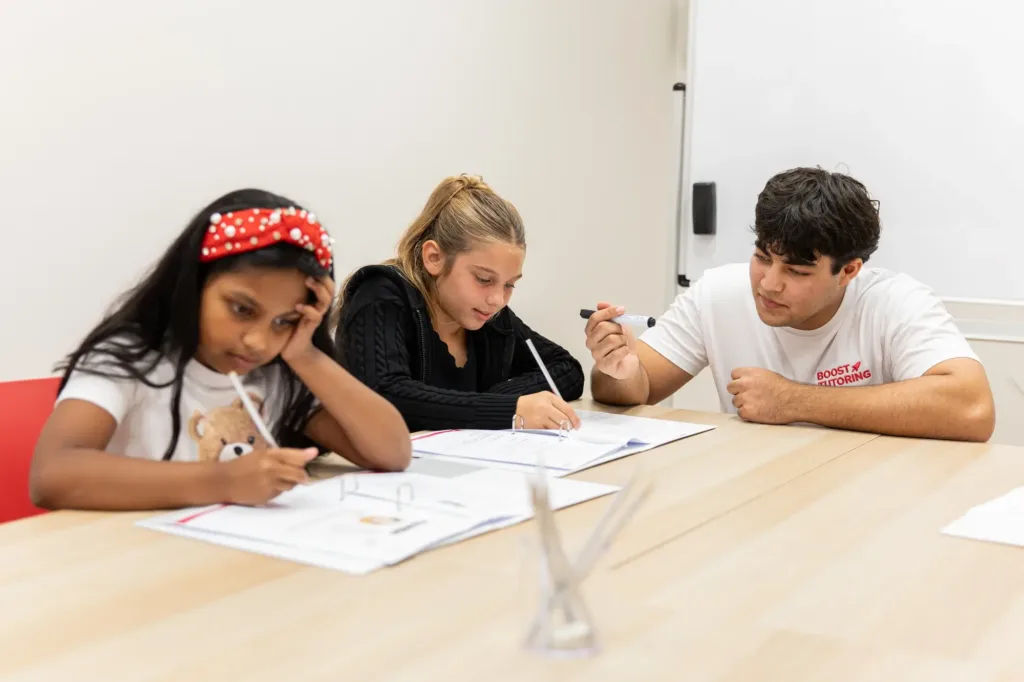
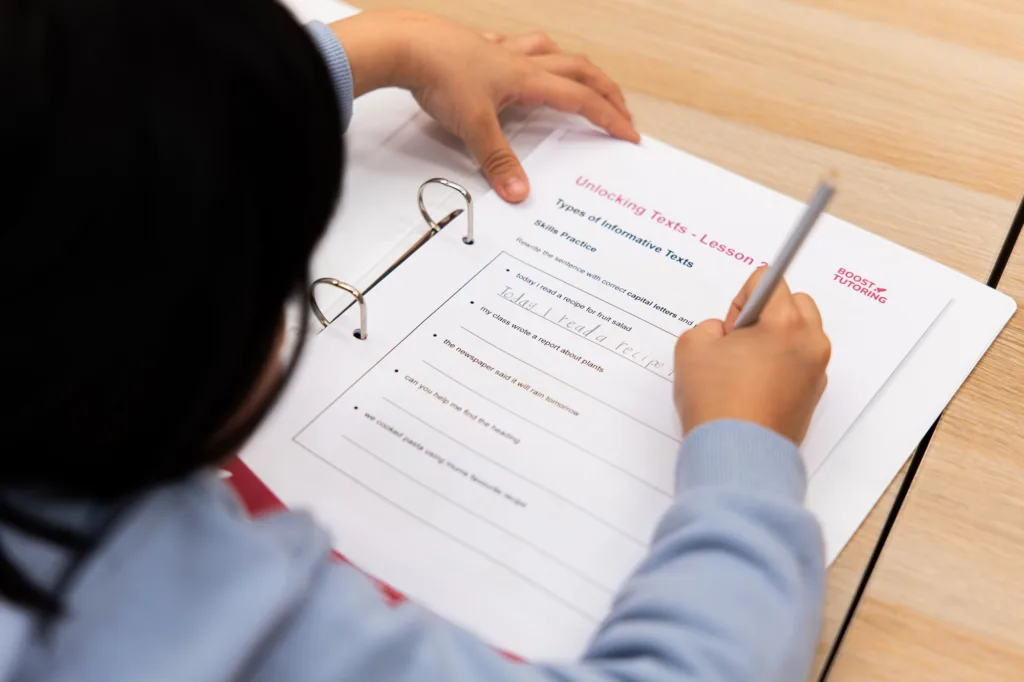
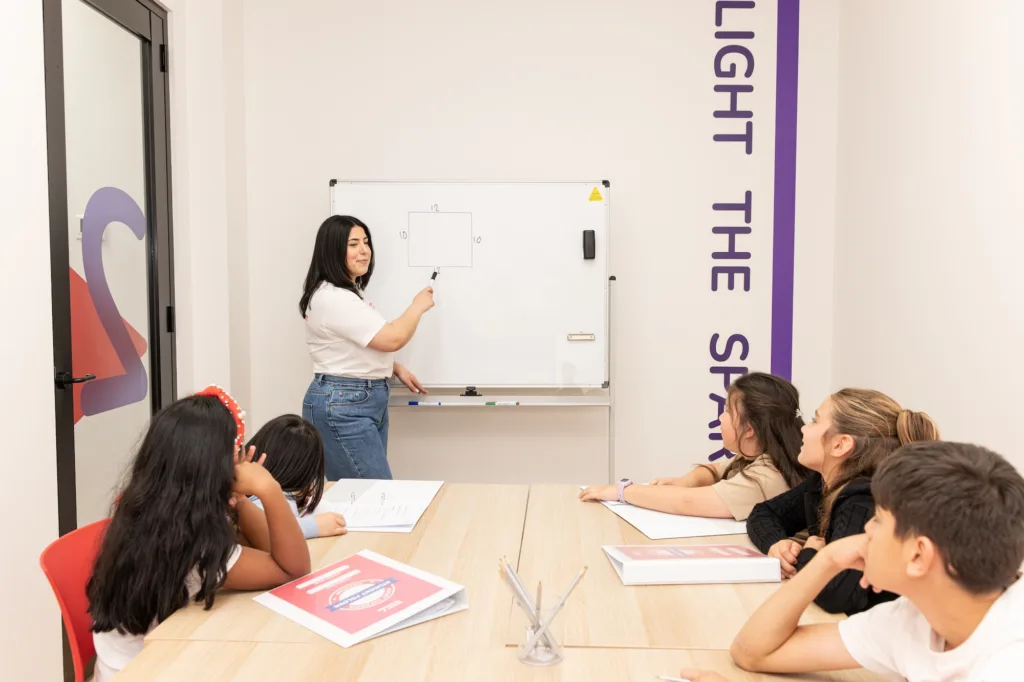
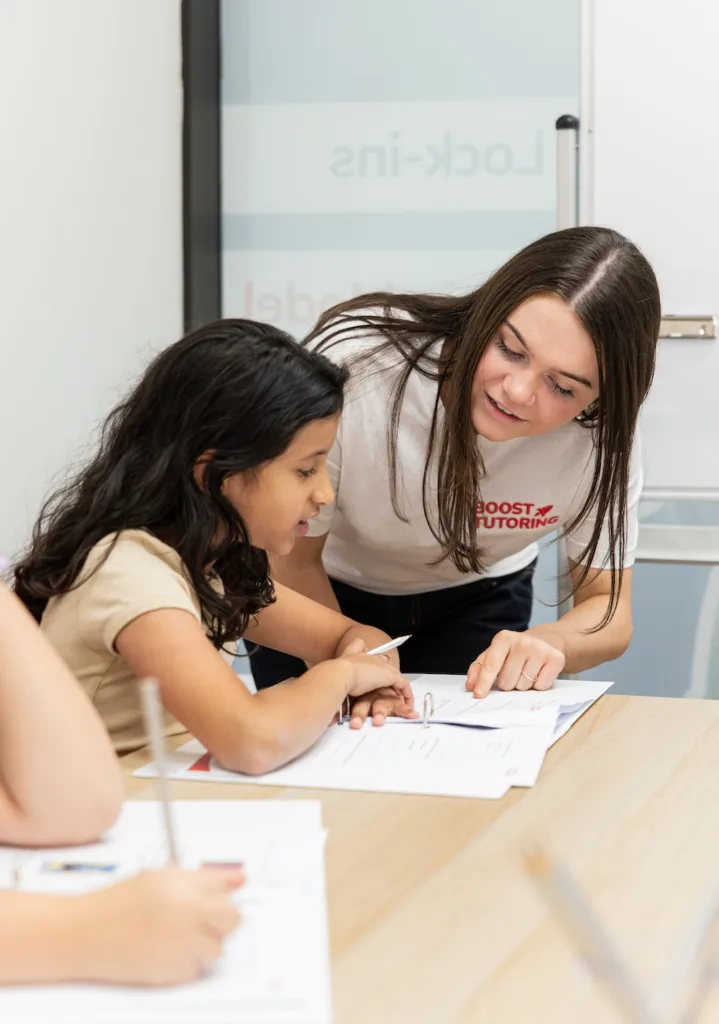
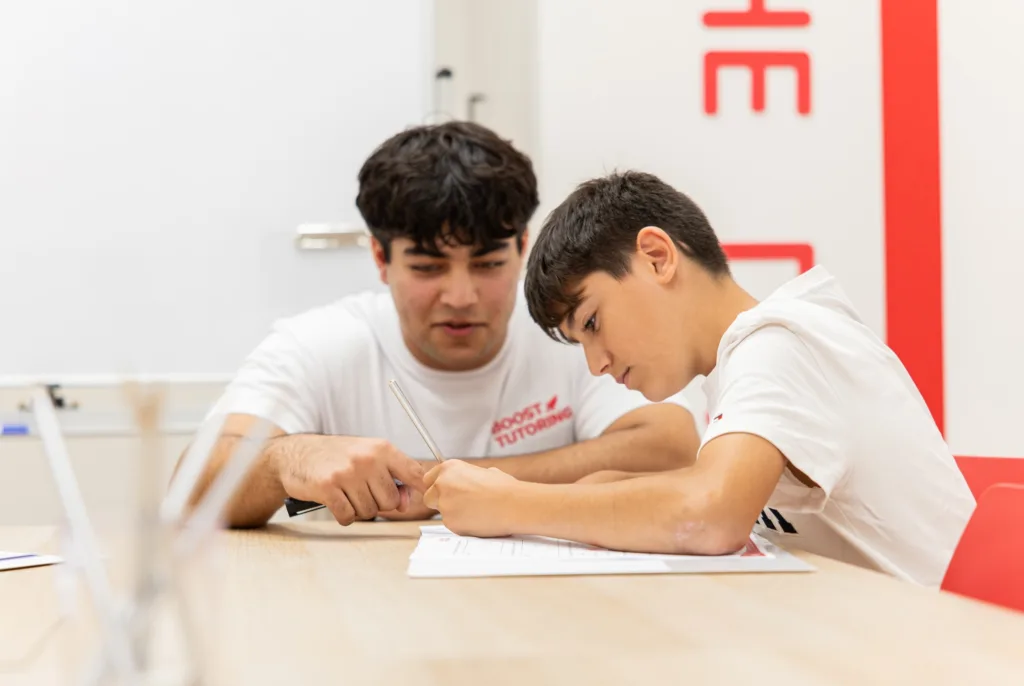
We start by working out where a child sits across the four sections, so the plan is targeted from the beginning rather than spread evenly over things they’ve already got. From there, the preparation is sequenced the way it should be: foundations first, built through our regular teaching, then format familiarity across all four sections including the ones families underestimate, then timing closer to the test. Sessions run in small groups of six to eight with the same tutor each week, aligned to the NSW syllabus, built around Prime, Train, Retain, with short daily practice at home that keeps the pace sustainable rather than overwhelming.
The aim is a child who arrives at the test evenly prepared and still steady, rather than exhausted and patchy.
A good Selective plan isn’t about doing the most. It starts with knowing where your child sits, works backwards from the test date, keeps the pace sustainable, and sequences the work so foundations come before format and timing comes last. The place to begin is a clear read on where your child actually stands across the four sections.
Book a free academic assessment and get a clear starting point for your child’s Selective plan